
Top-rated drywall pros.

Get matched with top drywall pros in Benton Harbor, MI

Enter your zip and get matched with up to 5 pros

Need a pro for your drywall service project in Benton Harbor, MI?

Select your specific project to find the pro for you.

TRUSTED BY BENTON HARBOR, MI HOMEOWNERS

  • Average homeowner rating star icon4
    Average homeowner rating
  • Verified reviews icon21
    Verified drywall services reviews

Find Drywall pros in Benton Harbor

Avatar for Bonillas Master Touch
Bonillas Master Touch
5.0(
22
)
Drywall - InstallDrywall - Install - For BusinessDrywall - Repair+1 more

Serving Benton Harbor, MI and surrounding areas

Approved

Super Service Award Winner

In business since 2024

Free estimates

Emergency services offered

"Bonillas is great. Good quality work. They were responsive, on time, and presented a professional quote. I had drywall and plaster repair done, including new installed crown molding. I would use them again and recommmed to other home owners needing work done."
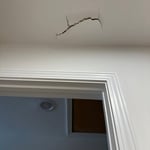
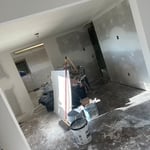
Drywall Project
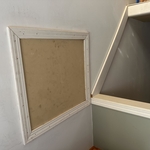
Drywall Project
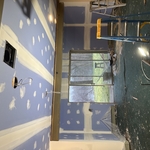
Drywall Project
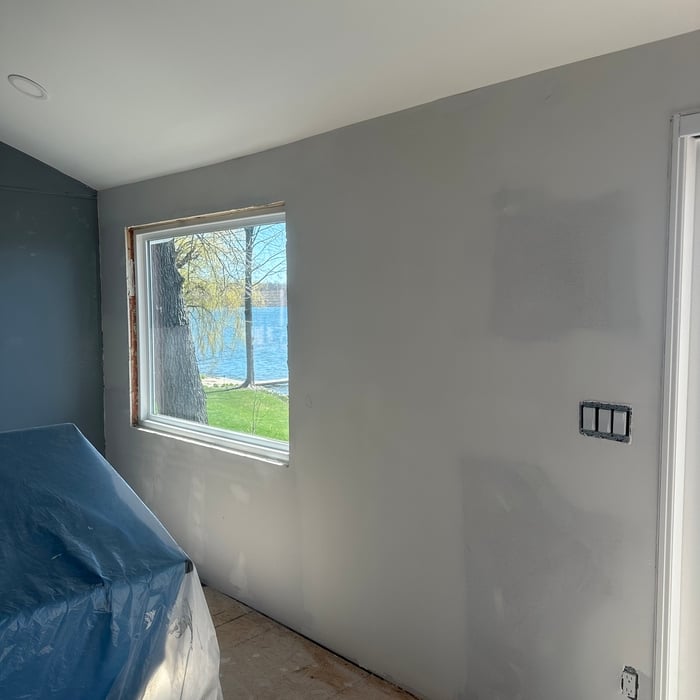
Drywall Project
Drywall Project

+68

Response time2 days
Response rate100%
Recommended by77%of homeowners
Avatar for D and L Commercial Roofing, LLC
D and L Commercial Roofing, LLC
4.9(
46
)
Drywall - InstallDrywall - Repair

Serving Benton Harbor, MI and surrounding areas

Approved

Super Service Award Winner

In business since 2020

Free estimates

Warranties offered

"Aden and his crew put in a retaining wall and concrete pad along with replacing our walkout basement doors and siding. The whole process was flawless from the start. Great communication from the get go. Definitely will be using again for other projects!"
Response time1 day
Response rate95%
2 neighbors recently requested a quote
Handlang Construction
4.4(
16
)
Drywall - InstallDrywall - Repair

Serving Benton Harbor, MI and surrounding areas

Approved

In business since 2010

Free estimates

Credit card accepted

"John does fantastic work!!! He took our remodel job to the next level. I’m planning on a complete re-build on my barn and a total gut of the second floor of my house. I’m not going to worry about getting bids anymore i’m just going to give John a call and see when he can work it into a schedule. Again, his work is beyond reproach."
Response time1 day
Response rate86%
Recommended by78%of homeowners
Avatar for C Touch Renovation
C Touch Renovation
5.0(
5
)
Drywall - InstallDrywall - Install - For Business

Serving Benton Harbor, MI and surrounding areas

Approved

In business since 2025

Free estimates

Credit card accepted

"Excellent job! They not only did the whole flooring work at my house, they basically renovated the entire place by installing new trims and painting every wall in the living room, bedrooms, kitchen and bathroom."
Gallery
11 neighbors recently requested a quote
...
Showing 1-10 of 125
Drywall questions, answered by experts

Drywall tape is made of paper, while drywall mesh is made of fiberglass or metal. Drywall mesh patches are suitable for repairing small holes in drywall, while paper drywall tape holds a crease better for corners. You need joint compound to adhere drywall tape to the wall, while mesh patches may be self-adhesive.

The two most common drywall thicknesses for ceilings are 1/2-inch and 5/8-inch. For most standard residential applications, 1/2-inch drywall is sufficient and widely used. It provides adequate support and is lighter and easier to handle during installation compared to thicker sheets. However, 5/8-inch drywall is often used for specific cases where additional benefits are needed. It is heavier but provides superior sound dampening and fire resistance. You should consider using 5/8-inch drywall for ceilings in commercial buildings, between a garage and a living space, or above a finished basement to meet building codes or for enhanced soundproofing.

While every home has its own unique needs, ceiling drywall installation typically follows a staggered or stepped pattern to enhance structural integrity and reduce the visibility of seams. Starting from one corner, sheets are placed perpendicular to the ceiling joists, with the ends of adjacent sheets meeting along the center of the joist. The next row begins with a half sheet, ensuring joints don't align vertically. This alternating pattern, combined with proper taping and mudding, creates a seamless appearance and strengthens the ceiling structure, minimizing the risk of cracks over time.

You should stagger drywall sheets to help prevent cracking. The joints between drywall sheets are the weak spots, so if you install drywall with seams aligned, you’ll create weak lines that run across the length of the wall and extend from floor to ceiling. But when you stagger drywall, the solid sections of panels will support the joints. This can prevent seams from cracking or separating due to fluctuating temperature and humidity, vibrations from movement inside the home, and gravity.

Although they are used for similar tasks, spackle and joint compound are not the same. Joint compound, also known as drywall mud, consists of limestone and gypsum and is primarily used for large-scale projects like taping and finishing seams on new drywall. Spackle is composed of gypsum and binding agents, making it a thicker compound best suited for small wall repairs like filling nail holes or cracks, as it dries quickly and is easy to sand. For small repairs, either product can be suitable. However, you can use joint compound for small jobs in place of spackle, but you cannot use spackle for large-scale taping and mudding projects.

The Benton Harbor, MI homeowners’ guide to drywall services

From average costs to expert advice, get all the answers you need to get your job done.