



Top-rated drywall pros.

Get matched with top drywall pros in Coloma, MI

Enter your zip and get matched with up to 5 pros

Need a pro for your drywall service project in Coloma, MI?

Select your specific project to find the pro for you.

TRUSTED BY COLOMA, MI HOMEOWNERS

  • Average homeowner rating star icon4.2
    Average homeowner rating
  • Verified reviews icon25
    Verified drywall services reviews

Find Drywall pros in Coloma

Avatar for Bonillas Master Touch
Bonillas Master Touch
5.0(
20
)
Drywall - RepairDrywall - InstallDrywall - Install - For Business+1 more

Serving Coloma, MI and surrounding areas

Approved

Super Service Award Winner

In business since 2024

Free estimates

Emergency services offered

"considering all circumstances things went well with hiring bonillas, we are a young couple just starting out & they gave us a price we couldnt pass up. they drywalled & finished 5 major rooms to the fixer upper we bought. mary was extremely patient & helpful on explaining the process & the obstacles we faced throughout the job they were doing. we plan to use them again for the garage & other parts of the house we plan to finish later down the road."
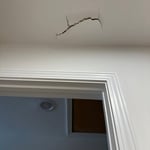
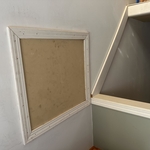
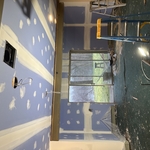
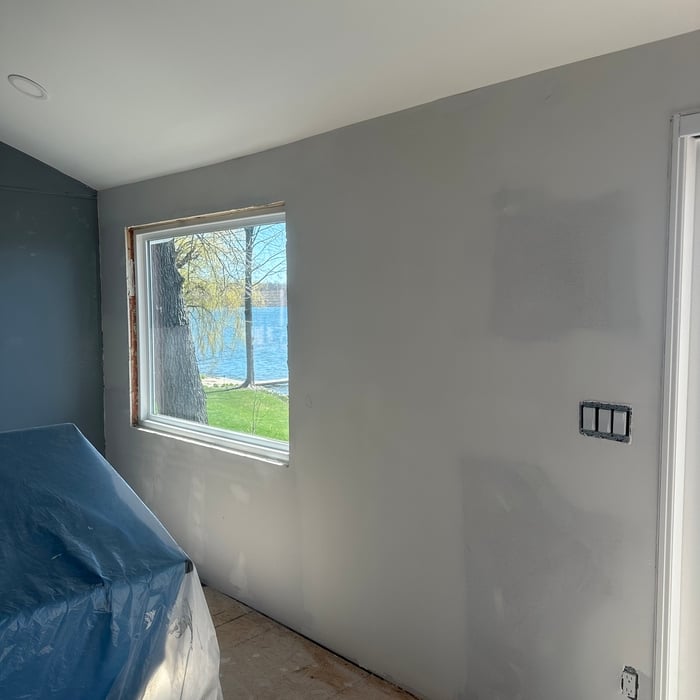
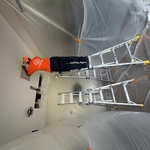
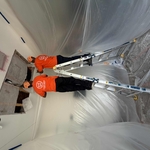
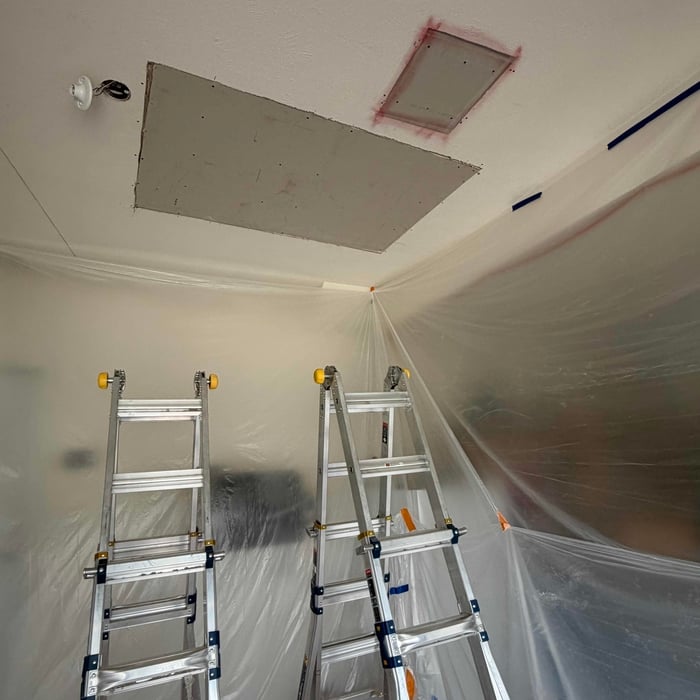
Drywall Project
Drywall Project
Drywall Project
Drywall Project
Drywall Project

+68

Response time2 days
Response rate100%
2 neighbors recently requested a quote
...
Showing 1-10 of 132
Drywall questions, answered by experts

Water-damaged drywall should almost always be replaced. Not only does it look bad, it’s a breeding ground for toxic mold. Even if you think the area is dry and there’s no active leak, the only way to be sure is to cut out the damaged area and see for yourself.

You should stagger drywall sheets to help prevent cracking. The joints between drywall sheets are the weak spots, so if you install drywall with seams aligned, you’ll create weak lines that run across the length of the wall and extend from floor to ceiling. But when you stagger drywall, the solid sections of panels will support the joints. This can prevent seams from cracking or separating due to fluctuating temperature and humidity, vibrations from movement inside the home, and gravity.

Although they have similar applications, spackle and joint compound are not the same. Their primary differences lie in their composition, consistency, and ideal use cases.

Spackle is composed of gypsum and binding agents, making it thicker than joint compound. It dries quickly and is easy to sand, which makes it ideal for small wall repair projects like filling nail holes or patching minor damage.

Joint compound, also known as drywall mud, consists of limestone and gypsum. It is primarily used for large-scale projects, such as taping and finishing the seams on newly installed drywall. It tends to shrink more than spackle and can be more difficult to spread.

While both products can be used to fill small depressions and cracks, spackle cannot replace joint compound for taping and mudding new drywall. Conversely, you can often use joint compound for small patching jobs typically done with spackle.

It doesn’t matter which way you lay drywall, and you can choose to install it horizontally or vertically depending on the size of the wall and how tall the ceiling is. It’s easier to lay drywall sheets vertically if you have a taller ceiling, but laying sheets horizontally makes it easier to apply joint compound.

Vinegar and bleach are effective options for removing mold from drywall. Vinegar is a better choice if you have a smaller mold issue while bleach is best if you have a larger mold problem. If the area you're cleaning has limited ventilation, using vinegar would be a better option. In that case, you could mix vinegar with baking soda to remove more stubborn mold growth.

The Coloma, MI homeowners’ guide to drywall services

From average costs to expert advice, get all the answers you need to get your job done.