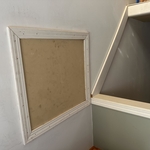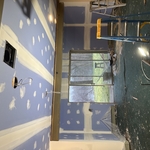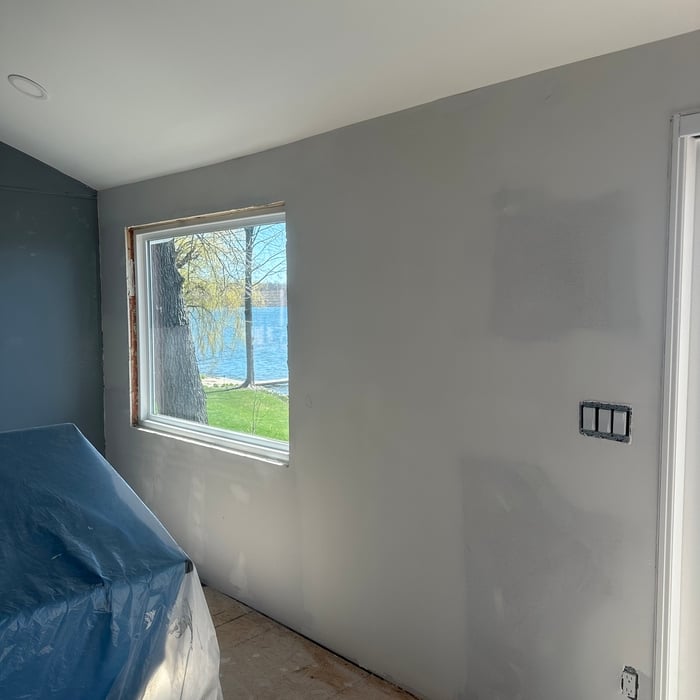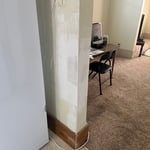




Top-rated drywall pros.

Get matched with top drywall pros in New Buffalo, MI

Enter your zip and get matched with up to 5 pros

Need a pro for your drywall service project in New Buffalo, MI?

Select your specific project to find the pro for you.

TRUSTED BY NEW BUFFALO, MI HOMEOWNERS

  • Average homeowner rating star icon4
    Average homeowner rating
  • Verified reviews icon27
    Verified drywall services reviews

Find Drywall pros in New Buffalo

Avatar for Bonillas Master Touch
Bonillas Master Touch
5.0(
20
)
Drywall - RepairDrywall - InstallDrywall - Install - For Business+1 more

Serving New Buffalo, MI and surrounding areas

Approved

Super Service Award Winner

In business since 2024

Free estimates

Emergency services offered

"Bonillas is great. Good quality work. They were responsive, on time, and presented a professional quote. I had drywall and plaster repair done, including new installed crown molding. I would use them again and recommmed to other home owners needing work done."
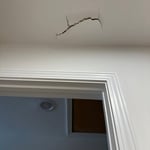
Drywall Project
Drywall Project
Drywall Project
Drywall Project
Drywall Project

+68

Response time2 days
Response rate100%
2 neighbors recently requested a quote
Avatar for AAA Homecare
AAA Homecare
4.9(
51
)
Drywall - InstallDrywall - RepairDrywall - Repair - For Business

Serving New Buffalo, MI and surrounding areas

Approved

Super Service Award Winner

In business since 2019

Free estimates

Emergency services offered

"We are completely satisfied with the work Randy Palgen did for us, installing two very high ceiling fans, repairing our kitchen cabinets, solving both an electrical and a plumbing problem, and repairing and caulking the window trim On the outside of our house. P We appreciate his efficient and courteous manner in completing these repairs."
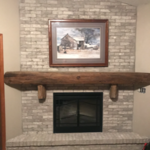
Custom Fireplace
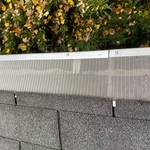
Close up Gutter Guards
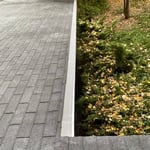
After Guards
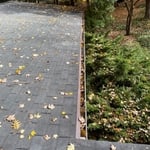
Before Guards
After Stain

+5

Response time4 hrs
Response rate93%
Recommended by82%of homeowners
...
Showing 1-10 of 84
Drywall questions, answered by experts

If your home was built before the 1940s and was not remodeled in the past 50 or so years, you probably have plaster walls. Aside from assuming, there are some practical ways to tell if you have plaster walls, including the following: If you knock on the wall and it feels solid, not hollow, if you can’t insert a thumbtack easily, if there are cracks that look like spiderwebs, or if your home has curved, arched, or swirled walls, doorways, or window openings.

If you have an unfinished basement or attic, you could examine the backs of any finished walls to check, too.

While you can put new drywall over old drywall, it’s not always the best option. In some cases, drywalling over drywall can make it harder to find wires and pipes behind your walls and conceal more serious problems with your walls. It can also make the room smaller. On the plus side, putting drywall over drywall can improve soundproofing and insulation. Plus, it’s often less expensive than tearing down and adding new drywall.

Yes, you can install drywall over plaster, but there are important factors to consider. While it can create a smooth, flat surface, it is often not the best approach. Installing drywall over plaster will increase the wall's thickness, which can cause issues with existing window and door frames that may no longer fit. You might also need to adjust power outlets to keep them accessible. A better, though more expensive, option is to remove the old plaster and lath entirely before installing new drywall. Drywalling directly over plaster seals in the old material, and if any problems arise later, you will need to remove both layers down to the structural beams for repairs. Given the potential complications, this job is best handled by professionals.

Although they have similar applications, spackle and joint compound are not the same. Their primary differences lie in their composition, consistency, and ideal use cases.

Spackle is composed of gypsum and binding agents, making it thicker than joint compound. It dries quickly and is easy to sand, which makes it ideal for small wall repair projects like filling nail holes or patching minor damage.

Joint compound, also known as drywall mud, consists of limestone and gypsum. It is primarily used for large-scale projects, such as taping and finishing the seams on newly installed drywall. It tends to shrink more than spackle and can be more difficult to spread.

While both products can be used to fill small depressions and cracks, spackle cannot replace joint compound for taping and mudding new drywall. Conversely, you can often use joint compound for small patching jobs typically done with spackle.

Most load-bearing walls are exterior, though they can also be interior.

The New Buffalo, MI homeowners’ guide to drywall services

From average costs to expert advice, get all the answers you need to get your job done.