


Top-rated radon detection and reduction specialists.

Get matched with top radon detection and reduction specialists in Beaver Island, MI

Enter your zip and get matched with up to 5 pros

Need a pro for your radon detection and reduction project in Beaver Island, MI?

Select your specific project to find the pro for you.

Find Radon detection and reduction specialists in Beaver Island

MCL Radon Gas Tech
4.8(
14
)
Radon Gas - Abatement

Serving Beaver Island, MI and surrounding areas

In business since 2007

Free estimates

"Mike, of MCL, made an appointment to review the project and showed up on time. He is very knowledgeable and clearly went over all technicalities needed to take care of our radon gas problem. The next day he sent a quote. The job was finished on time at the quoted price, work was very professional and neat. I would definitely recommend MCL to complete mechanical work of this nature."
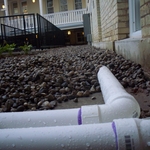
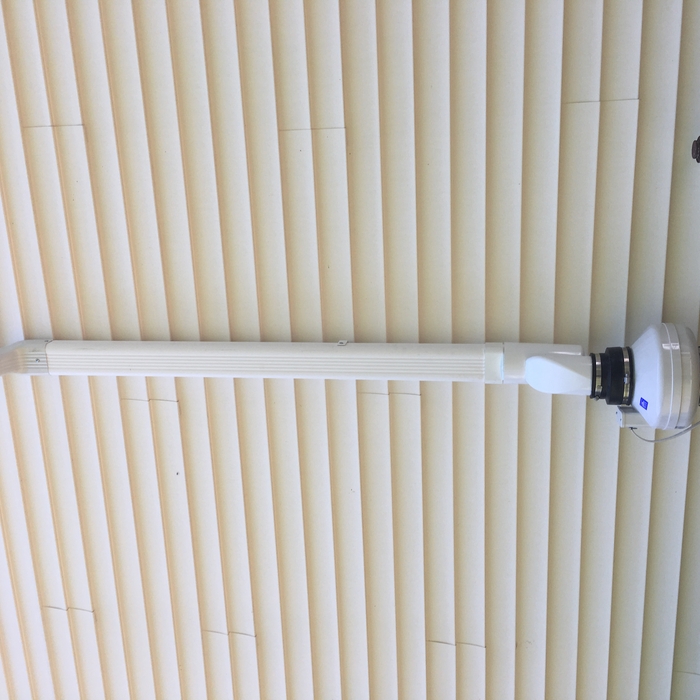
Safely Routed Outdoors
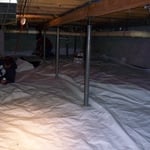
Crawl Space Encapsulation
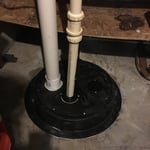
Sump Pump Despressurization System
We offer you our Deluxe System!

+4

Response time2 days
2 neighbors recently requested a quote
Recommended by100%of homeowners

Radon Detection and Reduction questions, answered by experts

The natural breakdown of uranium in soil, rock, and water can cause radon to appear in a home. The gas seeps into homes through cracks in foundations, walls, or floors, as well as through gaps around pipes or construction joints. Radon levels are influenced by soil composition, building materials, and ventilation. Poorly sealed or airtight homes can trap radon, allowing it to accumulate.

The soil beneath your house is most likely what’s causing an increased level of radon. This is because soil holds radioactivity for a long time and it’s also what most buildings are built on. Another common source of radon is water from a source that hasn’t been through periodic radon tests, such as well water. Over time, the radon from the soil can inhabit other parts of your house like the foundation or plumbing.

No, radon mitigation systems do not decrease home value or make a home harder to sell. In areas where homes experience similar radon exposure risks, a radon mitigation system is viewed as an improvement. Potential homebuyers often opt to buy a home with a radon mitigation system already installed to reduce the risk of cancer for their families.

You'll need to test your home for radon after installing the mitigation system, then again every two years. If radon remains elevated, contact a licensed radon professional, either the contractor who installed the system or a different one, and have them evaluate the system. They may need to make some changes to improve its effectiveness and performance.

If high radon levels are detected, steps include sealing entry points, installing a mitigation system, and retesting the air regularly to ensure reduced levels.

The Beaver Island, MI homeowners’ guide to radon detection and reduction services

From average costs to expert advice, get all the answers you need to get your job done.