




Top-rated radon detection and reduction specialists.

Get matched with top radon detection and reduction specialists in Indian River, MI

Enter your zip and get matched with up to 5 pros

Need a pro for your radon detection and reduction project in Indian River, MI?

Select your specific project to find the pro for you.

Find Radon detection and reduction specialists in Indian River

MCL Radon Gas Tech
4.8(
14
)
Radon Gas - Abatement

Serving Indian River, MI and surrounding areas

In business since 2007

Free estimates

"Mike, of MCL, made an appointment to review the project and showed up on time. He is very knowledgeable and clearly went over all technicalities needed to take care of our radon gas problem. The next day he sent a quote. The job was finished on time at the quoted price, work was very professional and neat. I would definitely recommend MCL to complete mechanical work of this nature."
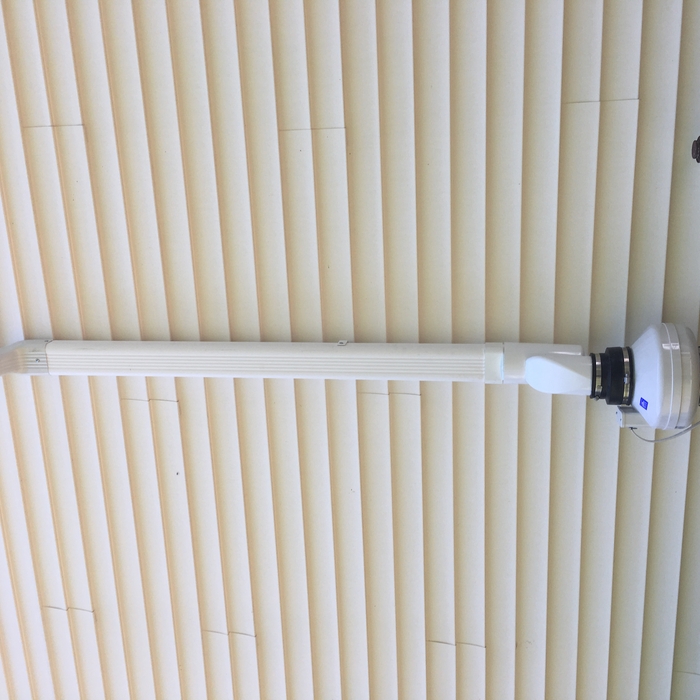
Safely Routed Outdoors
Crawl Space Encapsulation
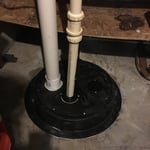
Sump Pump Despressurization System
We offer you our Deluxe System!

+4

Response time2 days
1 neighbors recently requested a quote
Recommended by100%of homeowners
Avatar for SWAT Environmental, Inc.
SWAT Environmental, Inc.
4.3(
251
)
Radon Gas - Abatement

Serving Indian River, MI and surrounding areas

In business since 1988

Free estimates

Credit card accepted

"SWAT did a great job installing the radon mitigation system in my house. They were very responsive, coming out quickly to provide a quote and offered a discount if the neighbors in the connecting townhouse would sign on as well. Installation was quick and the system was installed with no problem whatsoever. The radon levels in my house dropped from a reading of 12 to “undetectable” in just a couple of weeks."
Recommended by92%of homeowners
Radon Detection and Reduction questions, answered by experts

Options include sub-slab depressurization, crawlspace ventilation, and sealing cracks. Choose based on home construction and radon levels.

No level of radon is technically safe, but since it is naturally present everywhere, it is impossible to avoid entirely. The average radon level in homes across the United States is 1.3 picocuries per liter (pCi/L). The Environmental Protection Agency (EPA) recommends taking action to reduce radon levels if your home's test results are between 2 and 4 pCi/L or higher.

Your radon fan needs to operate 24/7 to be effective. The only time the fan isn't operating is during its replacement. Radon levels in the home can increase within hours if the fan stops working or something obstructs the stack vent. Fortunately, radon systems require no downtime maintenance between fan changes.

The natural breakdown of uranium in soil, rock, and water can cause radon to appear in a home. The gas seeps into homes through cracks in foundations, walls, or floors, as well as through gaps around pipes or construction joints. Radon levels are influenced by soil composition, building materials, and ventilation. Poorly sealed or airtight homes can trap radon, allowing it to accumulate.

The soil beneath your house is most likely what’s causing an increased level of radon. This is because soil holds radioactivity for a long time and it’s also what most buildings are built on. Another common source of radon is water from a source that hasn’t been through periodic radon tests, such as well water. Over time, the radon from the soil can inhabit other parts of your house like the foundation or plumbing.

The Indian River, MI homeowners’ guide to radon detection and reduction services

From average costs to expert advice, get all the answers you need to get your job done.