



Top-rated radon detection and reduction specialists.

Get matched with top radon detection and reduction specialists in Engadine, MI

Enter your zip and get matched with up to 5 pros

Need a pro for your radon detection and reduction project in Engadine, MI?

Select your specific project to find the pro for you.

Find Radon detection and reduction specialists in Engadine

MCL Radon Gas Tech
4.8(
14
)

Serving Engadine, MI and surrounding areas

Approved

In business since 2007

Free estimates

Customers say: Quality work

"Mike, of MCL, made an appointment to review the project and showed up on time. He is very knowledgeable and clearly went over all technicalities needed to take care of our radon gas problem. The next day he sent a quote. The job was finished on time at the quoted price, work was very professional and neat. I would definitely recommend MCL to complete mechanical work of this nature."
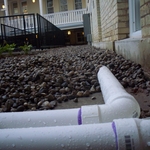
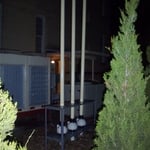
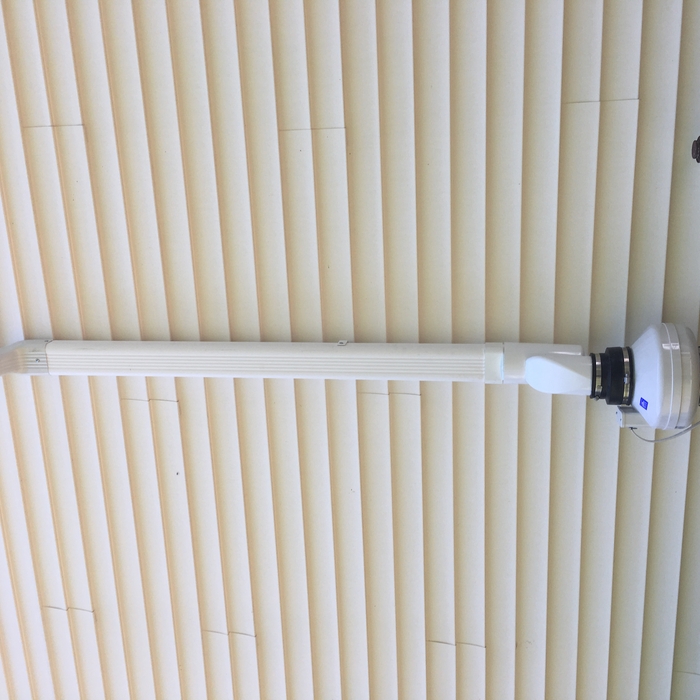
Safely Routed Outdoors
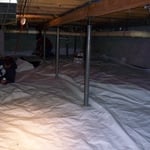
Crawl Space Encapsulation
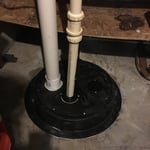
Sump Pump Despressurization System
We offer you our Deluxe System!

+4

Response time2 days
4 neighbors recently requested a quote
Recommended by100%of homeowners

Radon Detection and Reduction questions, answered by experts

The average radon mitigation system uses about 876 kWh of electricity per year, although the exact amount of electricity used will vary depending on the size of the radon fan. Once the system is installed, the annual increase to your energy bill could range from $30 to $300 per year, again depending on the size of the fan.

No level of radon is technically safe, but since it is present everywhere, complete avoidance is impossible. The average radon level in homes across the United States is 1.3 picocuries per liter (pCi/L). The Environmental Protection Agency (EPA) recommends taking preventative measures if your home's radon levels are between 2 and 4 pCi/L or higher.

Installation typically takes 1-2 days, depending on the system and property layout.

If your home has a sump pit, you can integrate it with a radon mitigation system. You can accomplish this by sealing the pump cover with an airtight lid that accommodates radon vent pipes and sump pump hoses. This allows the vent pipe to redirect the radon gas outside of your home.

No level of radon is technically safe, but since it is naturally present everywhere, it is impossible to avoid entirely. The average radon level in homes across the United States is 1.3 picocuries per liter (pCi/L). The Environmental Protection Agency (EPA) recommends taking action to reduce radon levels if your home's test results are between 2 and 4 pCi/L or higher.

The Engadine, MI homeowners’ guide to radon detection and reduction services

From average costs to expert advice, get all the answers you need to get your job done.