Top-rated radon detection and reduction specialists.

Get matched with top radon detection and reduction specialists in Mcmillan, MI

Enter your zip and get matched with up to 5 pros

Need a pro for your radon detection and reduction project in Mcmillan, MI?

Select your specific project to find the pro for you.

Find Radon detection and reduction specialists in Mcmillan

MCL Radon Gas Tech
4.8(
14
)
Radon Gas - Abatement

Serving Mcmillan, MI and surrounding areas

In business since 2007

Free estimates

"Mike, of MCL, made an appointment to review the project and showed up on time. He is very knowledgeable and clearly went over all technicalities needed to take care of our radon gas problem. The next day he sent a quote. The job was finished on time at the quoted price, work was very professional and neat. I would definitely recommend MCL to complete mechanical work of this nature."
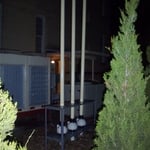
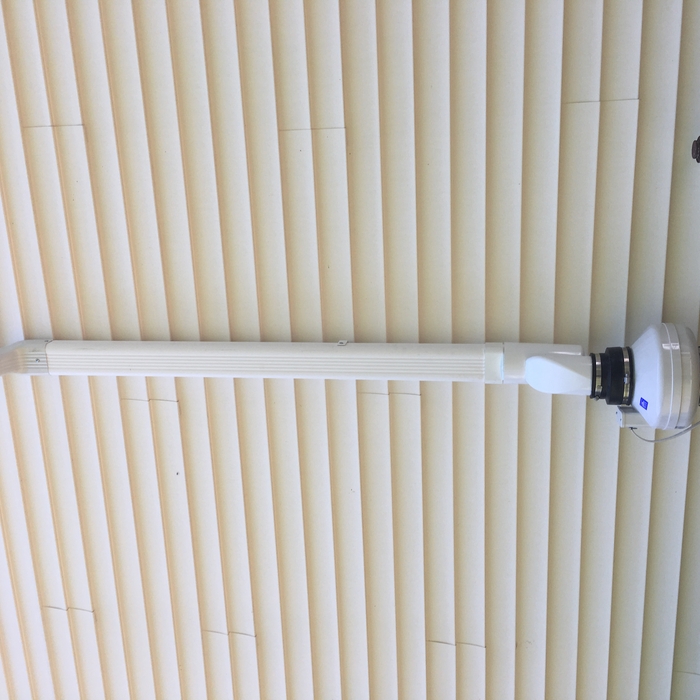
Safely Routed Outdoors
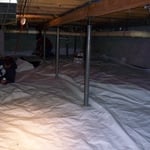
Crawl Space Encapsulation
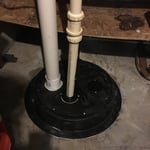
Sump Pump Despressurization System
We offer you our Deluxe System!

+4

Response time2 days
1 neighbors recently requested a quote
Recommended by100%of homeowners
Avatar for SWAT Environmental, Inc.
SWAT Environmental, Inc.
4.3(
251
)
Radon Gas - Abatement

Serving Mcmillan, MI and surrounding areas

In business since 1988

Free estimates

Credit card accepted

"SWAT did a great job installing the radon mitigation system in my house. They were very responsive, coming out quickly to provide a quote and offered a discount if the neighbors in the connecting townhouse would sign on as well. Installation was quick and the system was installed with no problem whatsoever. The radon levels in my house dropped from a reading of 12 to “undetectable” in just a couple of weeks."
Recommended by92%of homeowners
Radon Detection and Reduction questions, answered by experts

You'll need to test your home for radon after installing the mitigation system, then again every two years. If radon remains elevated, contact a licensed radon professional, either the contractor who installed the system or a different one, and have them evaluate the system. They may need to make some changes to improve its effectiveness and performance.

Installing a mitigation system reduces radon levels, which can cause lung cancer, providing peace of mind and long-term health benefits. It can also increase your home’s value, as many buyers prefer properties with radon safety measures in place. The investment is relatively low compared to the potential health risks associated with prolonged radon exposure.

The soil beneath your house is most likely what’s causing an increased level of radon. This is because soil holds radioactivity for a long time and it’s also what most buildings are built on. Another common source of radon is water from a source that hasn’t been through periodic radon tests, such as well water. Over time, the radon from the soil can inhabit other parts of your house like the foundation or plumbing.

While DIY testing is possible, abatement generally requires professional installation to ensure efficacy and meet safety standards.

No level of radon is technically safe, but since it is present everywhere, complete avoidance is impossible. The average radon level in homes across the United States is 1.3 picocuries per liter (pCi/L). The Environmental Protection Agency (EPA) recommends taking preventative measures if your home's radon levels are between 2 and 4 pCi/L or higher.

The Mcmillan, MI homeowners’ guide to radon detection and reduction services

From average costs to expert advice, get all the answers you need to get your job done.