


Top-rated drywall pros.

Get matched with top drywall pros in Old Town, ME

Enter your zip and get matched with up to 5 pros

Need a pro for your drywall service project in Old Town, ME?

Select your specific project to find the pro for you.

TRUSTED BY OLD TOWN, ME HOMEOWNERS

  • Average homeowner rating star icon4.6
    Average homeowner rating
  • Verified reviews icon13
    Verified drywall services reviews

Find Drywall pros in Old Town

Sean Gleason Home Improvements
5.0(
45
)
Drywall - Repair

Serving Old Town, ME and surrounding areas

Approved

In business since 1990

Free estimates

Credit card accepted

"Sean has done a project at 2 different homes that we own. He is honest, responsible and communicates throughout the project. He built a handicap ramp at one house when we needed it quickly. He replaced cedar shingles and replaced roof shingles at our coastal seasonal home. Both projects were completed timely and exceeded my expectations. I highly recommend him."
Response time1 day
Recommended by87%of homeowners
Avatar for DP Painting
DP Painting
5.0(
4
)
Drywall - RepairDrywall - Repair - For Business

Serving Old Town, ME and surrounding areas

Approved

Super Service Award Winner

In business since 2024

Free estimates

Small jobs welcome

"David figured out a challenging project on a cabinet so old that its hinges are no longer available. He was courteous, professional and punctual. I am grateful that his creative thinking and stick-to-itiveness resulted in a cabinet door that is working again! Thank you, David!!!"
Interior
Interior
Entryway
Entry
Jobs

+12

Response time6 hrs
Response rate87%
26 neighbors recently requested a quote
...
Showing 1-10 of 86
Drywall questions, answered by experts

Depending on the place where the cutting error occurred, you may be able to fix it. Learning how to patch a hole in drywall is challenging, but if you can tape and mud drywall, you can do it. Having said that, patching is time consuming. Early in the installation process, you may find that it’s easier and far less time consuming to just start over with a new sheet of drywall, cutting a new hole in the right spot. You may be able to use part of the incorrectly cut piece elsewhere, so it’s not completely wasted.

Yes, as drywall mud is going to have some uneven spots and bumps after application. Such imperfections are going to be visible after everything dries and even after you paint the wall, so you want to remove them. Learning how to sand drywall, taking your time, and following drywall sanding tips can help you have the best results.

All plaster walls will crack over time due to normal house settling and expansion and contraction from temperature and moisture changes. Small, thin hairline cracks are generally not serious and are mostly a cosmetic issue. However, larger or more significant cracks can indicate structural problems.

Here's how to tell the difference:

  • Cosmetic Cracks: Cracks that are 0.5 cm (0.2 inches) or thinner are typically cosmetic.

  • Structural Cracks: Cracks wider than 0.5 cm, excessive or deep cracks, multiple cracks in the same area, or cracks that span around corners can signify a structural or foundation issue. Cracks along the joints where walls meet the ceiling also warrant attention.
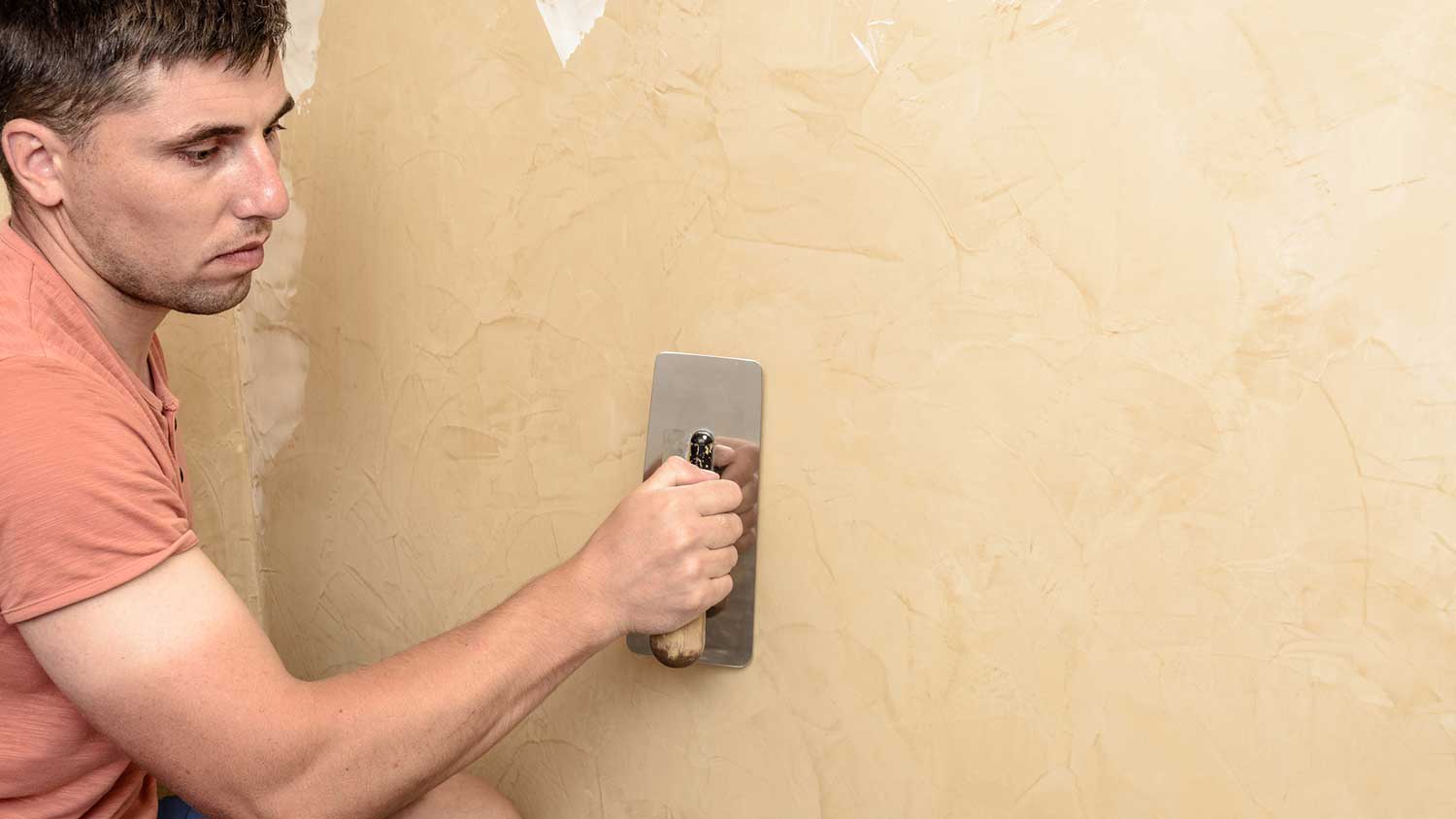
For cracks wider than 0.5 cm, structural repair is needed. If a crack is 2.5 cm (1 inch) or wider, or if you notice any signs of a structural problem, it is best to contact a plaster repair professional to assess the damage.

Although they have similar applications, spackle and joint compound are not the same. Their primary differences lie in their composition, consistency, and ideal use cases.

Spackle is composed of gypsum and binding agents, making it thicker than joint compound. It dries quickly and is easy to sand, which makes it ideal for small wall repair projects like filling nail holes or patching minor damage.

Joint compound, also known as drywall mud, consists of limestone and gypsum. It is primarily used for large-scale projects, such as taping and finishing the seams on newly installed drywall. It tends to shrink more than spackle and can be more difficult to spread.

While both products can be used to fill small depressions and cracks, spackle cannot replace joint compound for taping and mudding new drywall. Conversely, you can often use joint compound for small patching jobs typically done with spackle.

Plaster can be a difficult DIY to master, especially if you plan to plaster an entire room, rather than patch a small area. Before you begin a plaster DIY project, you need to know which tools and type of plaster to use. It's also important to know how to prepare the surface and apply the plaster for a smooth finish. If that all sounds like a lot of work, you may prefer hiring a local plaster repair contractor to do the job.

The Old Town, ME homeowners’ guide to drywall services

From average costs to expert advice, get all the answers you need to get your job done.