


Top-rated drywall pros.

Get matched with top drywall pros in Newburgh, ME

Enter your zip and get matched with up to 5 pros

Need a pro for your drywall service project in Newburgh, ME?

Select your specific project to find the pro for you.

TRUSTED BY NEWBURGH, ME HOMEOWNERS

  • Average homeowner rating star icon4.6
    Average homeowner rating
  • Verified reviews icon18
    Verified drywall services reviews

Find Drywall pros in Newburgh

Avatar for DP Painting
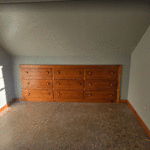
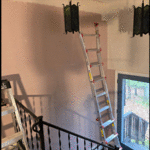
DP Painting
5.0(
4
)
Drywall - RepairDrywall - Repair - For Business

Serving Newburgh, ME and surrounding areas

Approved

Super Service Award Winner

In business since 2024

Free estimates

Small jobs welcome

"Did a great job. Built mailbox stand with an excellent custom flair. Built for strength. Texted and came right away. The message transition to know who was talking to me was confusing at first. DP was also not sure who it was initially."
Interior
Interior
Entryway
Entry
Jobs

+12

Response time3 hrs
Response rate88%
44 neighbors recently requested a quote

Avatar for Ready To Rock Drywall, Inc.
Ready To Rock Drywall, Inc.
4.0(
1
)
Drywall - InstallDrywall - Install - For Business

Serving Newburgh, ME and surrounding areas

Approved

In business since 2000

Free estimates

Credit card accepted

With more than 35 yrs of experience, Ready to Rock Drywall INC. is dedicated to providing our customers with the best quality at a great price. We are here to build relationships with our customers and communities and to provide our employees with a great place to work. We look forward to working with you!

Hallway - Steel Stud Framing
Classroom for EAAA - Brewer, ME
Response time1 day
Recommended by100%of homeowners
...
Showing 1-10 of 101
Drywall questions, answered by experts

There are six levels of drywall finish, from 0 to 5, that refer to the amount of work performed during the finishing process.

Level 0: Drywall is hung with no finishing work.

Level 1: Tape is placed over the seams between drywall sheets.

Level 2: A thin layer of mud is applied over the tape and screw holes. This level is common for utility rooms or walls that will be covered.

Level 3: A full coat of mud covers the screw holes and tape, but the surface is not sanded. This is often used in garages.

Level 4: This is the most common finish for visible interior walls. It involves applying two coats of mud over seams and screw holes, with sanding between each coat, creating a smooth surface ready for flat paint.

Level 5: This is a high-end finish for luxury homes. It includes full taping, mudding, and sanding, plus a final skim coat over the entire surface before painting.

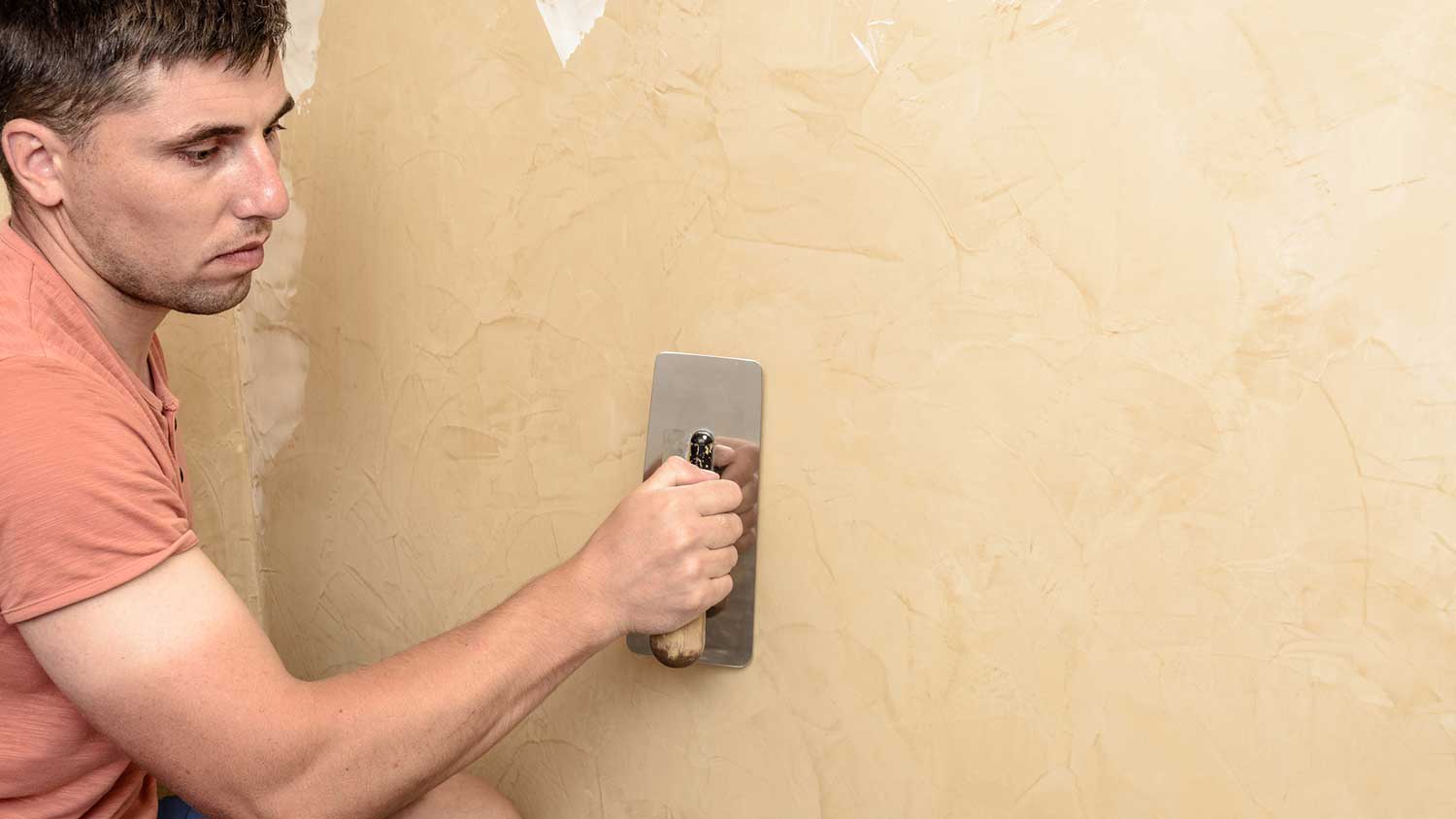
Yes, applying a texture can hide minor imperfections and irregularities in drywall, but it will not cover significant damage like nail marks or screw holes. The best texture depends on the size of the flaws. For minor imperfections, popular choices like orange peel, sand, or popcorn texture are effective. For larger imperfections, you may need a more prominent style, such as a knockdown or trowel finish, to conceal them effectively.

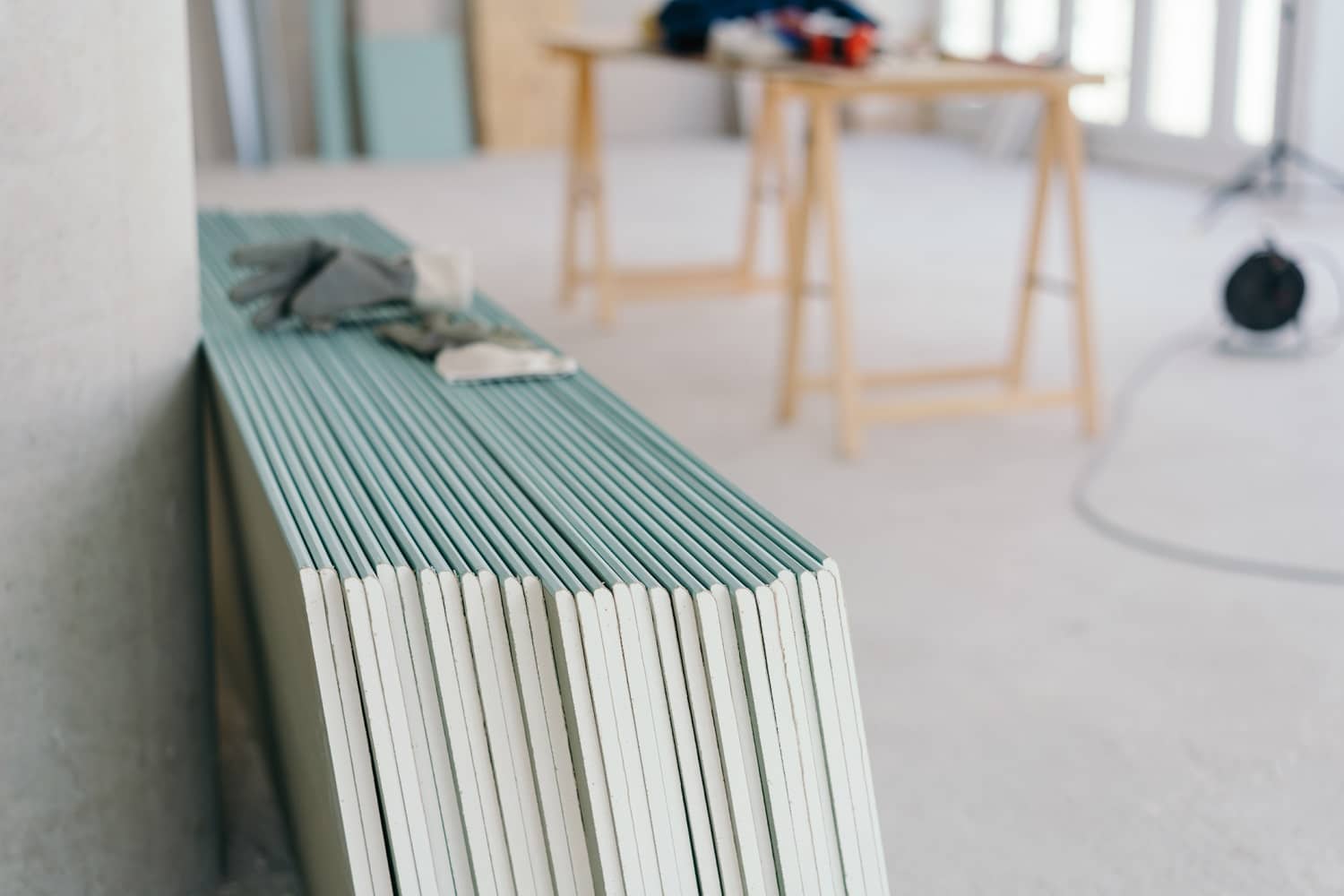
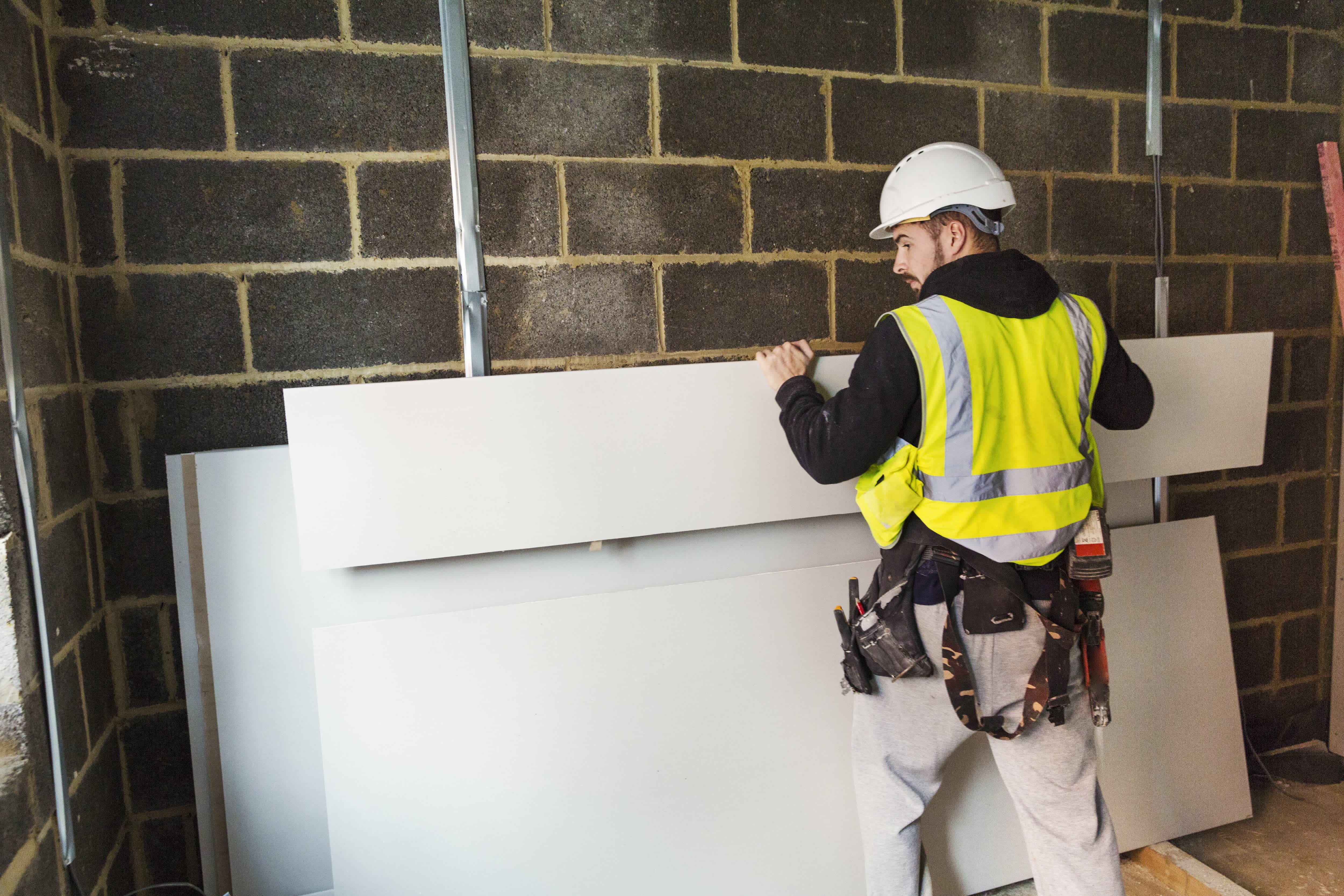
Whether it’s better to screw or glue drywall depends on your specific budget and project timeline. Professional drywall installers are more likely to use screws and fasteners than adhesives, but it takes longer. But if you are DIYing your drywall installation, glue is a perfectly fine choice if you’re willing to pay extra for adhesive.

You can put certain types of plaster over other types, but doing so isn't always the best idea. For example, putting a coat of gypsum over lime plaster is possible, but doing so will limit the lime plaster's breathability and potentially affect its performance.

Since cement plaster tends to leave a textured surface, no matter how much you smooth it, some people prefer to use gypsum plaster as a topcoat over cement plaster, creating a smoother surface.

Yes, you can speed up the time it takes for plaster to dry, but it's important to do so carefully to avoid issues like cracking or crumbling. Proper ventilation is key; open a window or use a fan to circulate air in the room. Heat can also accelerate drying, but be cautious, as too much heat can cause the plaster to dry too quickly and crack. Check the plaster's packaging for the recommended drying temperature and set the room's thermostat accordingly. While managing humidity is important, avoid using a dehumidifier, which can remove moisture too aggressively and result in crumbly plaster.
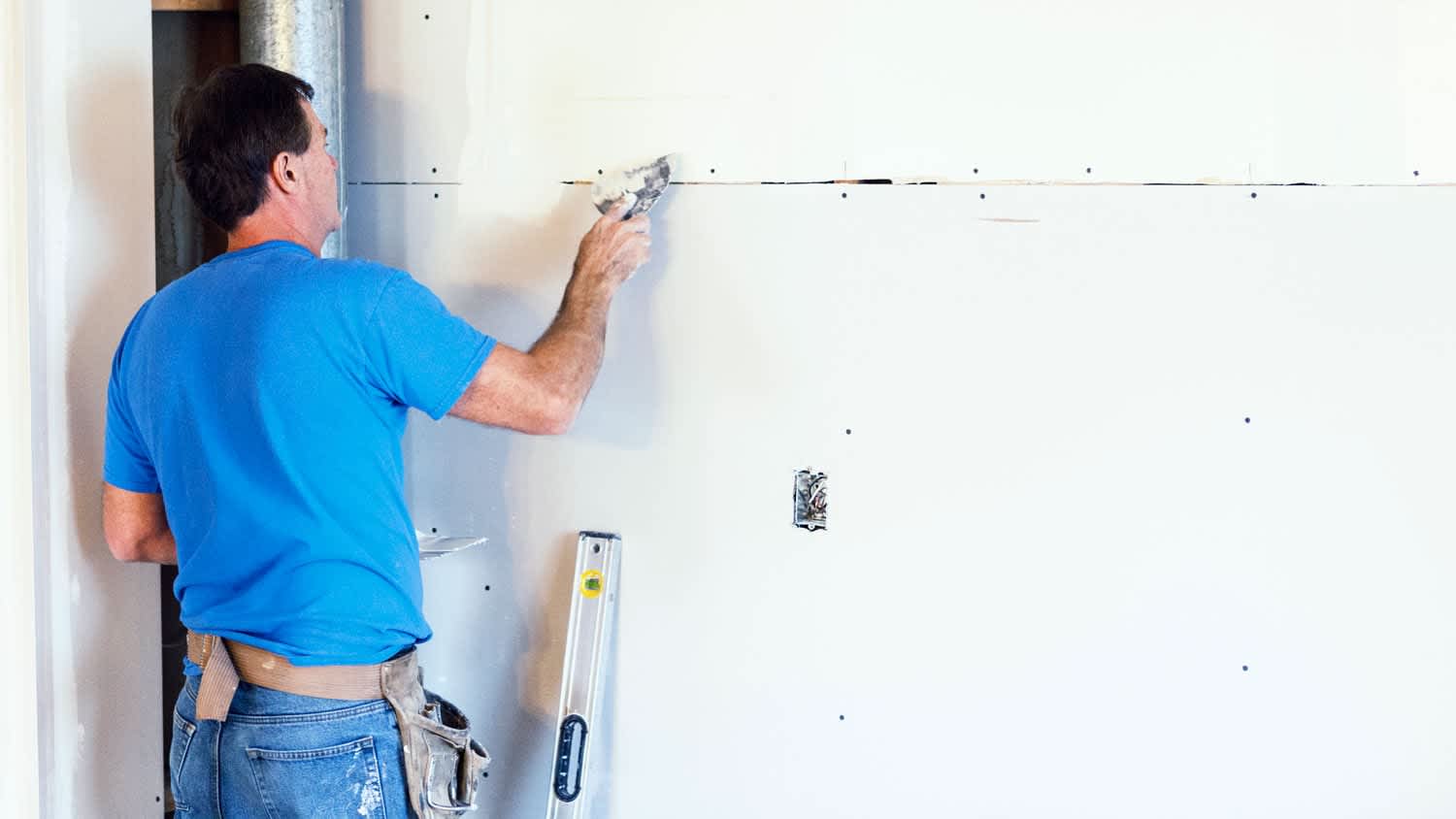
The Newburgh, ME homeowners’ guide to drywall services

From average costs to expert advice, get all the answers you need to get your job done.