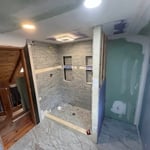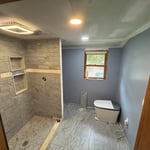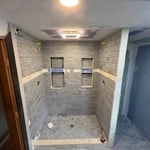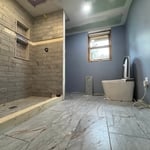






Top-rated drywall pros.

Best drywall pros near Milford, ME

Enter your zip and get matched with up to 5 pros

Need a pro for your drywall service project in Milford, ME?

Select your specific project to find the pro for you.

Top-Rated Drywall pros in Milford - Updated Nov 2026

Sean Gleason Home Improvements
5.0(
45
)
Drywall - Repair

Serving Milford, ME and surrounding areas

Approved

In business since 1990

Free estimates

Credit card accepted

"Sean has done a project at 2 different homes that we own. He is honest, responsible and communicates throughout the project. He built a handicap ramp at one house when we needed it quickly. He replaced cedar shingles and replaced roof shingles at our coastal seasonal home. Both projects were completed timely and exceeded my expectations. I highly recommend him."
Response time1 day
Recommended by87%of homeowners
Avatar for DP Painting
DP Painting
5.0(
4
)
Drywall - RepairDrywall - Repair - For Business

Serving Milford, ME and surrounding areas

Approved

Super Service Award Winner

In business since 2024

Free estimates

Small jobs welcome

"David figured out a challenging project on a cabinet so old that its hinges are no longer available. He was courteous, professional and punctual. I am grateful that his creative thinking and stick-to-itiveness resulted in a cabinet door that is working again! Thank you, David!!!"
Interior
Interior
Entryway
Entry
Jobs

+12

Response time6 hrs
Response rate87%
2 neighbors recently requested a quote
...
Showing 1-10 of 85
Drywall FAQs, answered by experts

While every home has its own unique needs, ceiling drywall installation typically follows a staggered or stepped pattern to enhance structural integrity and reduce the visibility of seams. Starting from one corner, sheets are placed perpendicular to the ceiling joists, with the ends of adjacent sheets meeting along the center of the joist. The next row begins with a half sheet, ensuring joints don't align vertically. This alternating pattern, combined with proper taping and mudding, creates a seamless appearance and strengthens the ceiling structure, minimizing the risk of cracks over time.

The best way to make long, straight cuts is to use a utility knife and a T-square to score the sheet, snap along the score, and then finish the cut by cutting through the paper on the opposite side with the utility knife. If you’re making small cuts, curved cuts, or cutouts for electrical boxes or light fixtures, you can use a manual jab saw to keep costs down, but an electric spiral saw or oscillating multi-tool will get the cleanest, fastest cuts possible.

Damp plaster does dry out, although the drying time depends on several factors, including the type of plaster, the surrounding temperature, moisture content, and the extent of the dampness. Sometimes, it can take weeks or months for wall plaster to dry naturally.

Regular dusting, occasional repainting, and avoiding harsh scrubbing preserve the finish.

Wet-sanding and dry-sanding each have pros and cons. Dry-sanding is less messy, so it’s a good option if you’re trying to minimize dust (for example, if you’re sanding an occupied home or working with particularly dry or dusty drywall mud). However, dry-sanding is quicker because you don’t have to keep rinsing a sponge or wait for it to dry before painting.

The Milford, ME homeowners’ guide to drywall services

From average costs to expert advice, get all the answers you need to get your job done.