



Top-rated drywall pros.

Get matched with top drywall pros in Hampden, ME

Enter your zip and get matched with up to 5 pros

Need a pro for your drywall service project in Hampden, ME?

Select your specific project to find the pro for you.

TRUSTED BY HAMPDEN, ME HOMEOWNERS

  • Average homeowner rating star icon4.6
    Average homeowner rating
  • Verified reviews icon18
    Verified drywall services reviews

Find Drywall pros in Hampden

Avatar for DP Painting
DP Painting
5.0(
4
)
Drywall - RepairDrywall - Repair - For Business

Serving Hampden, ME and surrounding areas

Approved

Super Service Award Winner

In business since 2024

Free estimates

Small jobs welcome

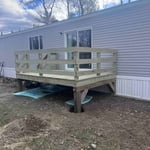
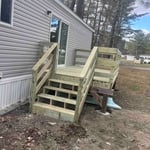
"Did a great job. Built mailbox stand with an excellent custom flair. Built for strength. Texted and came right away. The message transition to know who was talking to me was confusing at first. DP was also not sure who it was initially."
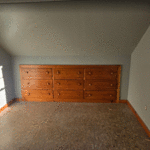
Interior
Interior
Entryway
Entry
Jobs

+12

Response time6 hrs
Response rate87%
14 neighbors recently requested a quote
Avatar for Ready To Rock Drywall, Inc.
Ready To Rock Drywall, Inc.
4.0(
1
)
Drywall - InstallDrywall - Install - For Business

Serving Hampden, ME and surrounding areas

Approved

In business since 2000

Free estimates

Credit card accepted

With more than 35 yrs of experience, Ready to Rock Drywall INC. is dedicated to providing our customers with the best quality at a great price. We are here to build relationships with our customers and communities and to provide our employees with a great place to work. We look forward to working with you!

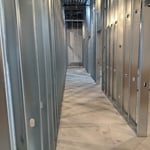
Hallway - Steel Stud Framing
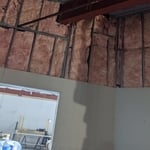
Classroom for EAAA - Brewer, ME
Response time1 day
Recommended by100%of homeowners
...
Showing 1-10 of 103
Drywall questions, answered by experts

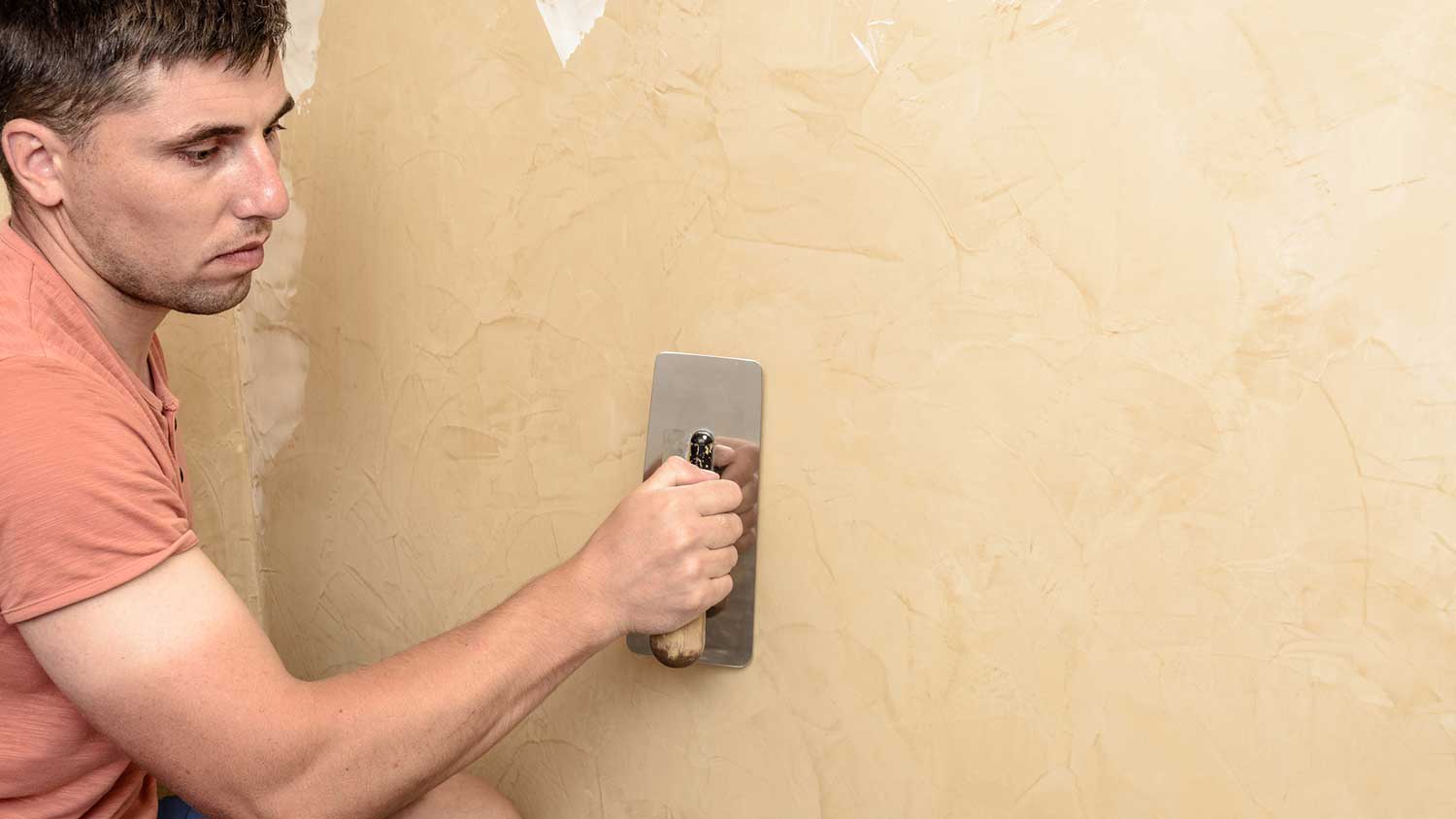
Plastering and skimming are two different techniques for finishing walls. Plastering involves applying a thick layer of a plaster mixture—typically containing gypsum, lime, cement, sand, and water—to create a new surface. This process often requires multiple coats and is used for repairing significant damage or creating decorative textures. Skimming, on the other hand, is a technique that involves applying a thin layer of drywall compound or joint compound over an existing surface to smooth it out, covering minor imperfections, small cracks, or uneven textures for a polished look. Plastering is generally more costly and labor-intensive than skimming. Although some people use the terms interchangeably, they refer to different processes and materials.

In some minor cases, you can DIY drywall repair with minimal time and money spent. This method is best when you have a hole made by a singular problem, such as accidental furniture moving, and not a continuous problem, like a rodent infestation. 

Knowing what product to use is crucial. For example, small holes only need spackle, whereas large holes might need a new piece of drywall. You can flex your DIY abilities on this project, but if you’d like a second opinion or have a more significant problem, it’s best to call in a drywall repair pro.

Although they have similar applications, spackle and joint compound are not the same. Their primary differences lie in their composition, consistency, and ideal use cases.

Spackle is composed of gypsum and binding agents, making it thicker than joint compound. It dries quickly and is easy to sand, which makes it ideal for small wall repair projects like filling nail holes or patching minor damage.

Joint compound, also known as drywall mud, consists of limestone and gypsum. It is primarily used for large-scale projects, such as taping and finishing the seams on newly installed drywall. It tends to shrink more than spackle and can be more difficult to spread.

While both products can be used to fill small depressions and cracks, spackle cannot replace joint compound for taping and mudding new drywall. Conversely, you can often use joint compound for small patching jobs typically done with spackle.

Yes, cabinets are installed over drywall. The drywall must be in good condition, and you must ensure that the wall can handle the weight of the cabinets. Secure the cabinets to studs and use proper anchoring devices, like toggle bolts.

Wall anchors are suitable for drywall and plaster walls, which are common in most homes. However, different wall materials may require specialized anchors. For concrete or masonry walls, you'd typically use concrete anchors. When dealing with other wall types, such as brick or tile, specific anchors designed for those materials may be necessary. Always consult with a hardware specialist or check the manufacturer's recommendations to ensure you select the appropriate anchors for your specific wall type.

The Hampden, ME homeowners’ guide to drywall services

From average costs to expert advice, get all the answers you need to get your job done.