

Top-rated drywall pros.

Get matched with top drywall pros in Bar Harbor, ME

Enter your zip and get matched with up to 5 pros

Need a pro for your drywall service project in Bar Harbor, ME?
Select your specific project to find the pro for you.

Find Drywall pros in Bar Harbor

Avatar for Let's Go Painting
Let's Go Painting
4.4(
8
)
Drywall - Repair

Serving Bar Harbor, ME and surrounding areas

In business since 2017

Free estimates

"They did dry wall repair as well as painting. We were very pleased with the results. They paid attention to clean up and did whatever was necessary to cause the least interference in our daily lives."
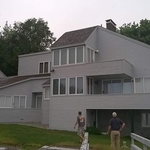
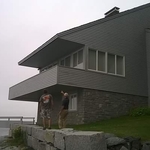
Lamoine House
Lamoine House
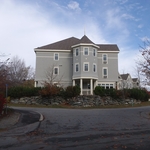
Parker Ridge
Parker Ridge
Parker Ridge

+93

Response time1 day
Response rate89%
Recommended by100%of homeowners
Avatar for New England Home Renovations LLC
New England Home Renovations LLC
4.0(
311
)
Drywall - InstallDrywall - Install - For BusinessDrywall - Repair+1 more

Serving Bar Harbor, ME and surrounding areas

In business since 1983

Free estimates

Emergency services offered

"In summary I have to say Richard was  excellent!  He came when he said he would and finished the work when he said it would be finished.  As I solicited multiple bids for the work NE Renovations was among the most competitive.  As the work was completed I was so pleased I ended requesting he come back to do additional jobs.  He was very accomadating and even explained various options on how best to accomplish the additional work.     
"
Before
After's
New boiler install
Removal of cast Iron to PVC.
Additional Photos

+37

Recommended by89%of homeowners
Showing 1-10 of 48
Drywall questions, answered by experts

The short answer is yes, a sagging plaster ceiling is dangerous. Sagging plaster on a wall is something you should fix immediately, but it isn’t a major concern. If the same type of sagging occurs on a ceiling, however, you could be in danger of your ceiling falling in large chunks. When plaster sags, it loses its strength and ability to hold itself up. The bonds that hold it together are strong, though, so if a sagging area falls, it will take large pieces down with it.

Metal corners, often referred to as corner beads for square corners, are used on drywall installations to provide structural reinforcement to vulnerable outside corners. Their usage safeguards against chipping, denting, or other forms of damage, enhancing the overall durability of the wall. Metal corners also offer a precise and straight edge that facilitates sharp and clean lines, crucial for achieving a polished and professional finish.

Although they are used for similar tasks, spackle and joint compound are not the same. Joint compound, also known as drywall mud, consists of limestone and gypsum and is primarily used for large-scale projects like taping and finishing seams on new drywall. Spackle is composed of gypsum and binding agents, making it a thicker compound best suited for small wall repairs like filling nail holes or cracks, as it dries quickly and is easy to sand. For small repairs, either product can be suitable. However, you can use joint compound for small jobs in place of spackle, but you cannot use spackle for large-scale taping and mudding projects.

Plaster is denser, harder, and more porous than drywall, so it absorbs moisture differently. This means you’ll often need more prep work, such as thorough sanding, patching, and priming with a high-quality bonding primer. Additionally, you may need more coats of paint to achieve even coverage. While the process takes more time, it helps ensure a durable and professional-looking result.

Although they have similar applications, spackle and joint compound are not the same. Their primary differences lie in their composition, consistency, and ideal use cases.

Spackle is composed of gypsum and binding agents, making it thicker than joint compound. It dries quickly and is easy to sand, which makes it ideal for small wall repair projects like filling nail holes or patching minor damage.

Joint compound, also known as drywall mud, consists of limestone and gypsum. It is primarily used for large-scale projects, such as taping and finishing the seams on newly installed drywall. It tends to shrink more than spackle and can be more difficult to spread.

While both products can be used to fill small depressions and cracks, spackle cannot replace joint compound for taping and mudding new drywall. Conversely, you can often use joint compound for small patching jobs typically done with spackle.

The Bar Harbor, ME homeowners’ guide to drywall services

From average costs to expert advice, get all the answers you need to get your job done.