


Top-rated drywall pros.

Get matched with top drywall pros in Orland, ME

Enter your zip and get matched with up to 5 pros

Need a pro for your drywall service project in Orland, ME?

Select your specific project to find the pro for you.

Find Drywall pros in Orland

Heath Enterprises
4.1(
40
)
Drywall - Install

Serving Orland, ME and surrounding areas

Approved

In business since 1997

Free estimates

Emergency services offered

"Dave showed up when he said, completed all of the work as promised and even better than promised. The crew was professional, and always thorough. I hired him again after the first job for another roof repair, and my son will be hiring him after seeing the work he did. This is the company to go to."
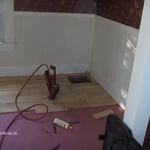
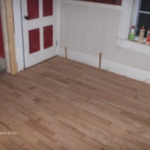
Hard wood flooring begins
Hardwood flooring instaled
Hardwood flooring
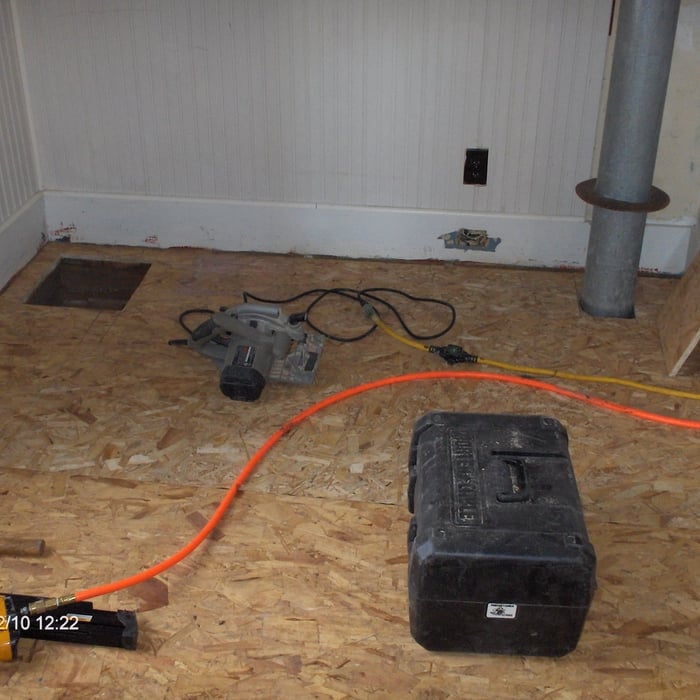
Sub floor repairs
Subflooring repaired

+6

Response time2 days
Response rate86%
9 neighbors recently requested a quote
Avatar for T&L Home Improvements
T&L Home Improvements
4.9(
6
)
Drywall - Repair

Serving Orland, ME and surrounding areas

Approved

In business since 2020

Free estimates

Small jobs welcome

"Tom helped me install an interior door, and I couldn't be happier with the results. He was very professional, punctual, and highly skilled, and paid great attention to detail, ensuring that the door was installed perfectly and that it matched the style of my home. The whole process was smooth, and the final result exceeded my expectations. I highly recommend his services for anyone looking to improve their home's interior!"
Response time1 day
Response rate89%
Recommended by100%of homeowners
Avatar for DP Painting
DP Painting
5.0(
4
)
Drywall - RepairDrywall - Repair - For Business

Serving Orland, ME and surrounding areas

Approved

Super Service Award Winner

In business since 2024

Free estimates

Small jobs welcome

"David figured out a challenging project on a cabinet so old that its hinges are no longer available. He was courteous, professional and punctual. I am grateful that his creative thinking and stick-to-itiveness resulted in a cabinet door that is working again! Thank you, David!!!"
Interior
Interior
Entryway
Entry
Jobs

+12

Response time6 hrs
Response rate87%
6 neighbors recently requested a quote
...
Showing 1-10 of 72
Drywall questions, answered by experts

The two most common drywall thicknesses for ceilings are 1/2-inch and 5/8-inch. For most standard residential applications, 1/2-inch drywall is sufficient and widely used. It provides adequate support and is lighter and easier to handle during installation compared to thicker sheets. However, 5/8-inch drywall is often used for specific cases where additional benefits are needed. It is heavier but provides superior sound dampening and fire resistance. You should consider using 5/8-inch drywall for ceilings in commercial buildings, between a garage and a living space, or above a finished basement to meet building codes or for enhanced soundproofing.

A utility knife is sharp enough to score the drywall and it may work in a pinch for outlet box holes. However, one of the best tools for drywall when you need to make exact cuts for an outlet box quickly is a drywall saw. This handheld tool has a longer blade than a utility knife, so it penetrates the thickness of the drywall easily. The design of its handle and the teeth in its blade make it easier to control while cutting quicker than you can with a utility knife.

In framing, studs are placed at 16-inch intervals to coincide with the typical spacing of wall materials such as drywall or plywood. This spacing is called "on-center" and is necessary for maintaining structural stability and efficient use of materials. The 16-inch spacing also helps to distribute the weight evenly across the building's structure. For those looking to cut material costs and improve energy efficiency, 24-inch stud spacing can be employed through a method called "advanced framing". This requires careful planning and adherence to local building codes to ensure structural integrity.

There are several benefits to wet-sanding drywall, but the main perk is that it produces far less dust than dry-sanding. As a result, wet-sanding poses fewer health risks and makes less of a mess in your home. Plus, damp sponges are less abrasive than sandpaper, so there’s a smaller chance of scratching or damaging the drywall paper. Wet-sanding also creates a smoother finish than dry-sanding.

While textured walls can elevate a space in many ways, there are a couple of downsides to consider. Namely, they’re hard to clean, and some textures fall out of fashion quickly. Make sure to consider all your options to find one you truly love before diving in. 

The Orland, ME homeowners’ guide to drywall services

From average costs to expert advice, get all the answers you need to get your job done.