


Top-rated drywall pros.

Best drywall pros near Penobscot, ME

Enter your zip and get matched with up to 5 pros

Need a pro for your drywall service project in Penobscot, ME?

Select your specific project to find the pro for you.

Top-Rated Drywall pros in Penobscot - Updated Nov 2026

Hilltop painting and drywall
New to Angi
Drywall - InstallDrywall - Repair

Serving Penobscot, ME and surrounding areas

Approved

In business since 2019

Free estimates

Credit card accepted

We pride our company on reliability, great communication, integrity, and quality work. We are experts in our trade and will do our best to keep you as educated as we can on your particular task or project. We look forward to earning your business! Book with us online or feel free to give us a call today!

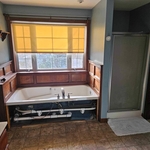
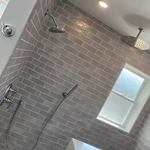
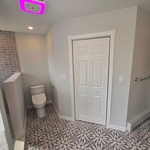
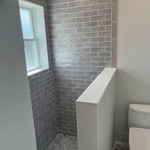
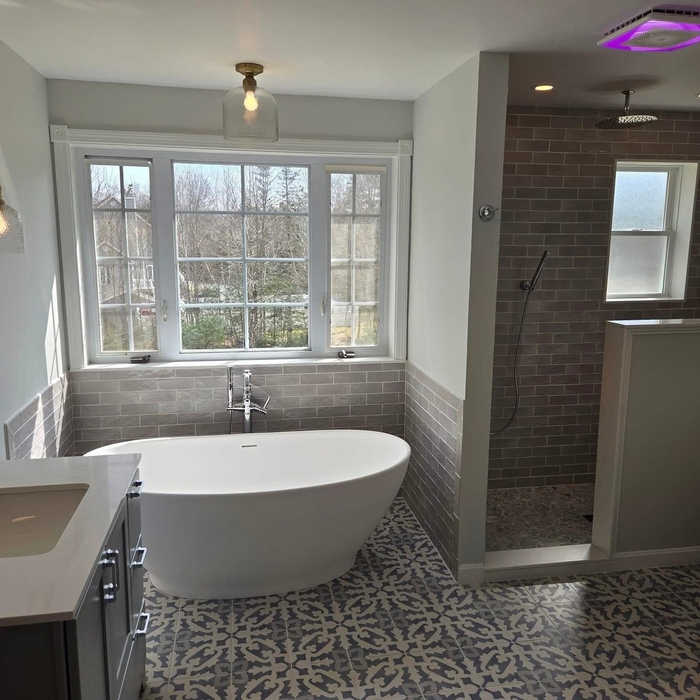
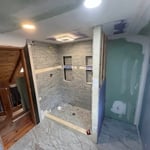
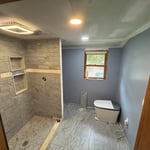
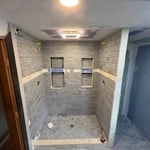
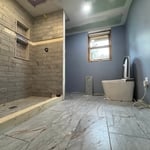
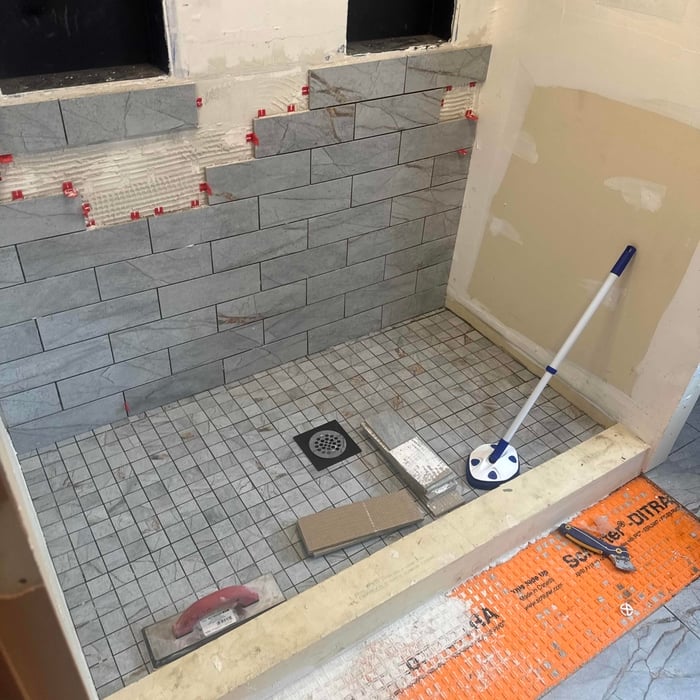
Bathroom remodel
Bathroom remodel
Bathroom remodel
Bathroom remodel
Bathroom remodel

+2

1 neighbors recently requested a quote
Kanaris Group LLC
New to Angi
Drywall - InstallDrywall - Install - For BusinessDrywall - Repair+1 more

Serving Penobscot, ME and surrounding areas

Approved

Free estimates

Emergency services offered

Small jobs welcome

Multi-craft technician with 10+ years across welding and fabrication, HVAC-R service, and property maintenance. U.S. Navy veteran with shipyard, structural steel, and manufacturing experience. Holds Universal EPA certification, OSHA 30, and advanced welding credentials; currently pursuing a B.S. in Business Administration. Known for reliability, safety discipline, and learning new systems fast

Avatar for T&T Drywall
T&T Drywall
5.0(
7
)
Drywall - Install

Serving Penobscot, ME and surrounding areas

In business since 2020

Free estimates

Small jobs welcome

"Very good with communication when it comes to the work, and very good work done. Takes the time to make sure it's done properly and doesn't rush! Overall excellent work."
Response time2 days
Recommended by100%of homeowners

...
Showing 1-10 of 62
Drywall FAQs, answered by experts

Although they have similar applications, spackle and joint compound are not the same. Their primary differences lie in their composition, consistency, and ideal use cases.

Spackle is composed of gypsum and binding agents, making it thicker than joint compound. It dries quickly and is easy to sand, which makes it ideal for small wall repair projects like filling nail holes or patching minor damage.

Joint compound, also known as drywall mud, consists of limestone and gypsum. It is primarily used for large-scale projects, such as taping and finishing the seams on newly installed drywall. It tends to shrink more than spackle and can be more difficult to spread.

While both products can be used to fill small depressions and cracks, spackle cannot replace joint compound for taping and mudding new drywall. Conversely, you can often use joint compound for small patching jobs typically done with spackle.

If your home’s foundation shifts slightly over time, any seams in the drywall represent the weakest point in the wall, leading to cracks. If your home has significant changes in temperature and humidity, this can cause the drywall to swell and contract slightly, causing a crack at the weak point of the seam. If your drywall installer did a poor job securing the panels to the wall studs, this could cause a weak layout and cracks in the seams.

You should always hang drywall from the top down. Starting at the top makes it easier to create a straight, tight line between the ceiling and the wall. Any gaps that occur will be at the bottom, where they are easier to manage. You can either cut the bottom piece of drywall to fit the remaining space or cover the gap with baseboard trim. Additionally, starting at the top is physically easier, as you won't have to fit the top sheet into a tight space between the lower sheet and the ceiling, or try to balance the upper sheets on the lower ones while securing them.

Yes, it is possible to rewire a house without removing the drywall, but this doesn’t work in all homes. You can pull out old wires and insert new ones if you have access to the wiring system via the ceiling or through a crawl space. Some pros can also use a magnetic kit to fish the old wire out of the wall through a hole cavity and install the new wires. Just keep in mind that doing this is less stable than removing drywall, as you won’t be able to staple the wires into the framing.

There is no way to cut drywall without making dust, but you can reduce the amount of dust and especially the dangerous airborne particles by using manual cutting tools. Using a utility knife to score and snap your drywall will minimize dust production, and a jab saw for cutting cutouts for boxes and fixtures will generate almost no airborne dust. Even if you use these methods, you should still wear a respirator and safety goggles to avoid damage to your lungs and eyes.

The Penobscot, ME homeowners’ guide to drywall services

From average costs to expert advice, get all the answers you need to get your job done.