





Top-rated insulation pros.

Get matched with top insulation pros in Riverdale Park, MD

Enter your zip and get matched with up to 5 pros

Need a pro for your insulation service project in Riverdale Park, MD?

Select your specific project to find the pro for you.

TRUSTED BY RIVERDALE PARK, MD HOMEOWNERS

  • Average homeowner rating star icon4.6
    Average homeowner rating
  • Verified reviews icon74
    Verified insulation services reviews

Find Insulation pros in Riverdale Park

Avatar for Atlas Home Energy Solutions
Atlas Home Energy Solutions
4.1(
34
)
Batt, Rolled or Reflective Insulation - Install or UpgradeBlown-In Insulation - Install or UpgradeSpray Foam Insulation - Install

Serving Riverdale Park, MD and surrounding areas

Approved

In business since 2009

Free estimates

Credit card accepted

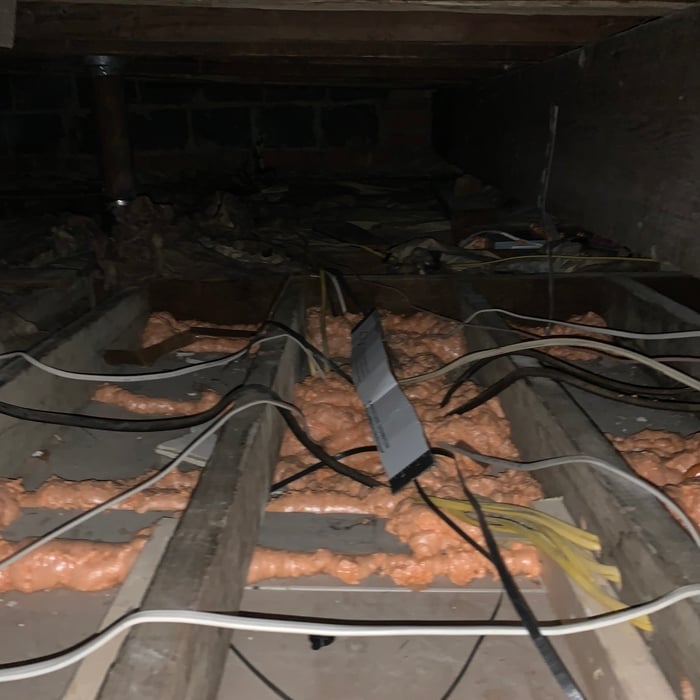
"I hired Atlas Home Energy Solutions to remove old insulation and replace it with the foam technique. However, I ran into numerous unexpected problems due to a slow leak from old pipes. It took awhile to sort out. Atlas Home Energy Solutions gave me lots of expert advice. They were willing to come out and review the situation. They were also willing to reschedule and wait until another contractor dealt with the water issue and its ensuing problems. They helped me make some difficult decisions before they could insulate the crawl space. When it was ready for them to come and insulate the area they bumped their schedule forward to get it done. This company did sterling work. Their expertise and professionalism were outstanding. They really know what they are doing and guided me through a more protracted process than originally envisioned. I would highly recommend them to anyone."
Visual Inspection of all Areas of your Home
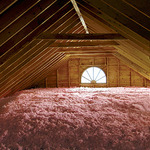
Attic Insulation and Air Sealing
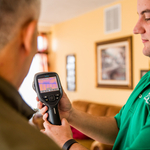
Infrared Camera Inspection
Attic Spray Foam
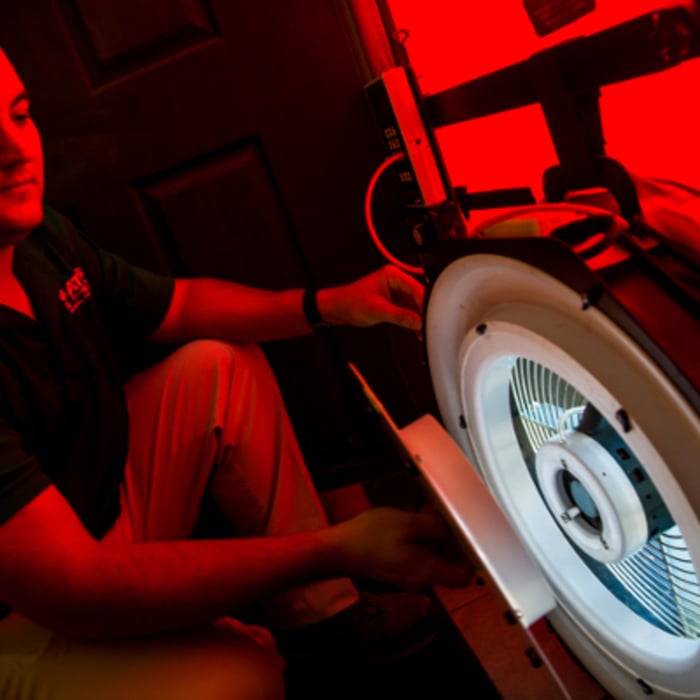
Blower Door Whole House Air Leakage Test

+11

Response time1 day
Recommended by87%of homeowners

...
Showing 1-10 of 100
Insulation questions, answered by experts

The most obvious con of injection foam is the cost. It’s much more expensive to install than fiberglass or spray foam, but it may be your only option (unless you want to remove entire walls around the home). Another con is that it involves drilling into existing material, which has to be repaired after the foam is injected. Some injection foams are made from products that aren’t environmentally friendly, and improper installation can lead to trapped moisture, which can lead to expensive mold remediation down the road. 

The best type of insulation for your home depends on your specific needs, climate, and the area you are insulating. For new construction, structural insulated panels are a highly energy-efficient option that is easy to install during the building process. In very warm climates, reflective insulation can be a cost-effective choice. For cold climates, fiberglass is an excellent option due to its high R-value and resistance to settling over time. Spray foam works well in humid environments because of its moisture-resistant properties. For standard attics, loose-fill, spray foam, or blown-in insulation are all suitable options.

One of the biggest disadvantages of glass garage doors is that they are not the best at insulating your garage. In the summer, heat can enter through the glass, while in the winter, heat can escape through the glass, increasing your electricity and gas bills as you crank up your HVAC unit. You can help mitigate the poorer insulation by investing in insulated glass and insulating your garage.

Insulating a stone house is an expensive and involved process because it requires building a double-walled house. The walls don’t need to be the same thickness, but they both need to be thick enough to handle any structural demands and meet fire and safety standards. The insulation (usually foam or fiberglass) is then installed between the two stone walls.

R-30 insulation is better for higher thermal resistance, but whether it’s "better" depends on the application. R-30 is much thicker and suited for areas like attics or floors in cold climates, where more insulation is required. R-13, on the other hand, is thinner and works well for 2x4 walls or milder climates where less insulation is sufficient. Choosing between R-13 and R-30 depends on the area being insulated and the climate. For example, R-30 provides more insulation but may not fit everywhere in your home.

The Riverdale Park, MD homeowners’ guide to insulation services

From average costs to expert advice, get all the answers you need to get your job done.