
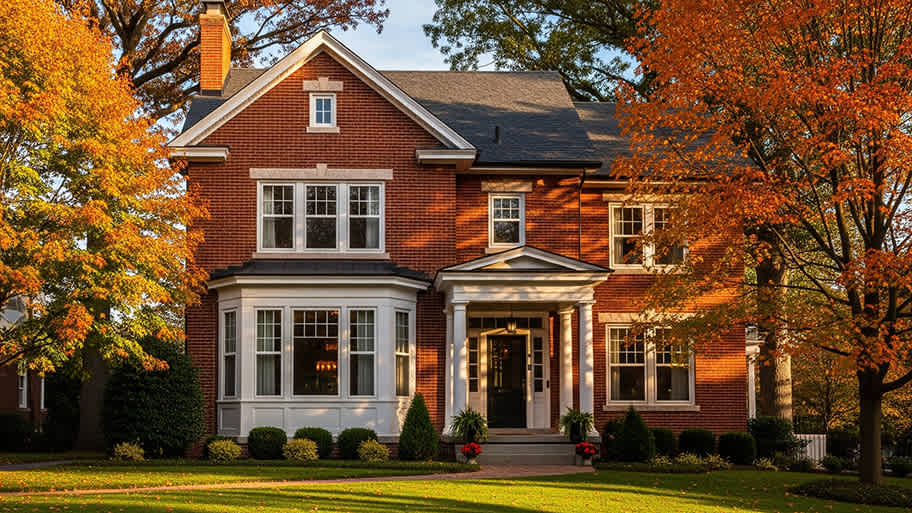
New insulation makes your home more comfortable and boosts energy efficiency. Use this guide to budget for insulation installation costs in Baltimore, MD.
Insulation service costs depend on your project and location. Check with a local pro for your specific job.

Insulation installation in Washington, D.C. costs $1 to $4.50 per square foot.
Hiring a D.C. insulation pro costs $40 to $100 per hour.
Fiberglass insulation is the most affordable, costing $0.30 to $1.80 per square foot.
Installing new insulation in your D.C. home can yield a 70% to 75% return on investment (ROI).
Average insulation installation costs in Washington, D.C., range from $1,269 to $3,015, with most homeowners spending around $2,123. D.C.'s cost of living sits nearly 40% above the national average, so both insulation materials and installation labor are more expensive here than in other parts of the U.S.
With the area’s cold winters, proper insulation is a necessity for homeowners throughout the District. The main factors affecting the cost of installing new insulation in Washington, D.C. are the area’s square footage, the type of insulation you choose, the installation location, and labor.
How much you’ll spend on installing insulation in Washington, D.C, depends on a variety of factors, including area size, insulation type, materials, location in the home, and labor. Here’s a closer look at how your costs break down.
You can expect to pay $1 to $4.50 per square foot for insulation installation in Washington, D.C., making the size of the area you need to be insulated a significant factor in your total cost. Your total price will be directly correlated to the cost of the material you choose and the size of the area you need to be insulated.
The table below includes some average pricing based on the room size you’re looking to insulate.
| Square Footage | Average Cost |
|---|---|
| 100 | $100–$450 |
| 500 | $500–$2,250 |
| 1,000 | $1,000–$4,500 |
| 2,000 | $2,000–$9,000 |

Your material choice plays a major role in the price of your installation. You can pay anywhere from $0.25 to $7 per square foot for insulation on average, with fiberglass tending toward the lower end and wood fiber insulation toward the upper end. The table below includes some average pricing for different insulation materials.
| Material | Cost per Sq. Ft. |
|---|---|
| Cellulose | $0.60–$2.50 |
| Fiberglass | $0.30–$1.80 |
| Polystyrene | $0.25–$2 |
| Mineral wool | $1.40–$4.50 |
| Wood fiber | $4.25–$7 |
The type of insulation you choose for your home depends on your budget and project scope, particularly where you plan to install it, as some types perform better in certain locations than others. When evaluating types, such as blown-in versus spray foam, consider the costs and pros and cons below.
| Type of Insulation | Average Cost Per Sq. Ft. | Pros | Cons |
|---|---|---|---|
| Spray foam | $1.50–$4.50 | Excellent air sealing and high R-value (efficiency); moisture control | Most expensive; requires pro installation; can be messy & harder to modify later |
| Blown-in and loose-fill | $1–$2.80 | Fills gaps and irregular spaces well; good for attics or existing walls | Settling can occur over time; less air sealing than spray foam |
| Batt and roll | $0.80–$2.60 | Generally lower cost; easy to install in open areas | Can leave gaps if not cut/installed carefully; lower air-seal performance |
| Foam board | $1.20–$3.70 | Good thermal resistance per thickness; useful for rim joists and exterior walls | Can be awkward to fit around irregular framing; more labor-intensive |
| Radiant barrier | $0.30–$2 | Reflects heat (good in hot climates/attics); can reduce peak cooling load | Must be used with other insulation types; no R-value |
Where you install the insulation can affect the price, with garages having the lowest cost per square foot and attics having the highest. Here’s a breakdown of how much it costs to insulate each location in your home.
| Location | Average Cost |
|---|---|
| Attic | $1,500–$6,000 |
| Basement | $1,400–$6,300 |
| Garage | $600–$8,000 |
| Roof | $1,500–$4,500 |
| Wall | $900–$3,200 |
| Ceiling | $600–$2,400 |
Site prep can add to the cost of your project, but just how much you’ll spend depends greatly on the lengths you need to take to prepare the site. Washington, D.C. homeowners can spend as little as nothing or as much as $750 for the cost to repair drywall after installing insulation.
Spray foam, in particular, requires extra prep work for proper installation, whereas batt insulation generally goes in with little preparation. Site prep consists of the following:
Cover all valuables, windows, doors, and important surfaces for spray foam installations.
Make sure the electrical wiring is properly installed, and your walls are framed and fully enclosed before installing spray foam to avoid overspray.
Repair any structures in your home, including walls, attics, basements, and crawl spaces.
Remove moldy insulation, conduct a mold test, and hire a mold removal company.
Plan for cleanup costs for removing old insulation and debris.
Installing insulation in new construction homes is less expensive than adding it to existing homes, costing around $1 less per square foot. This is because the walls and ceilings are easier to access and install insulation, and you don’t have existing insulation to worry about. However, many new construction homes use more insulative materials for long-term performance, which tends to be more costly.
A home insulation upgrade costs between $1.50 and $3.50 per square foot on average. This doesn’t include disposal fees. Junk removal services add approximately $130 to $340 to your project, depending on the size of the job.
In addition to your insulation materials and prep costs, DC homeowners must consider professional-related expenses when planning an insulation installation project. Here are some costs to budget for when hiring a Washington, D.C. insulation pro.
Most insulation installers in Washington, D.C charge between $40 and $100 per hour, so the more complex the project, the more it will cost. A few complexities that may increase the cost of labor include:
Your installer needs to install insulation in hard-to-reach areas.
You have multiple installation sites in need of insulation.
The installer needs to remove old insulation.
Correctly installing insulation can be difficult. Health and safety risks are involved; therefore, we highly recommend contacting a pro to ensure the job is completed safely and correctly.

Most insulation installation companies include basic cleanup in their services, but you may wish to hire a professional cleaning company that specializes in construction cleanup. Post-construction cleanup in Washington, D.C., costs $0.15 to $0.50 per square foot and ensures your space is free of dust and debris after your insulation is installed.
The sales tax rate in Washington, D.C. is 6%, and homeowners here are required to pay tax on the materials portion of their insulation job. Installation labor is not taxable. Ask your insulation pro for a detailed quote that clearly separates labor and materials so you can accurately plan for tax costs on your project.
Along with your insulation installer, you may need to bring additional pros in to finish your project.
Electrician: Bringing in an electrician ensures all wiring is properly installed and is in good condition before you install your insulation, providing peace of mind and reducing the risk of fires. Hiring an electrician costs $50 to $130 per hour.
HVAC technician: An HVAC pro can check and seal all duct connections in the insulated area and make any necessary adjustments to your heating system to ensure optimal performance and energy efficiency. HVAC maintenance costs an average of $250 for a service call.
Proper insulation not only improves your home’s energy efficiency and lowers your heating bills, but it can also boost your resale value. In Washington, D.C., you can expect a 70% to 75% return on investment (ROI) on installing insulation in your home. Today’s home buyers place an increasing importance on energy efficiency, and new insulation is an upgrade that appeals to many potential buyers. Homeowners should also prioritize their own comfort and the financial savings from installing new insulation, even before a home hits the real estate market.
Home is the most important place on earth, which is why Angi has helped more than 150 million homeowners transform their houses into homes they adore. To help homeowners with their next project, Angi provides readers with the most accurate cost data and upholds strict editorial standards. We survey real Angi customers about their project costs to develop the pricing data you see, so you can make the best decisions for you and your home. We pair this data with research from reputable sources, including the U.S. Bureau of Labor Statistics, academic journals, market studies, and interviews with industry experts—all to ensure our prices reflect real-world projects.
Want to help us improve our cost data? Send us a recent project quote to [email protected]. Quotes and personal information will not be shared publicly.
I insulated my attic, and upgraded my HVAC system through BGEâ s home performance program. Lumeco was my contractor and they did a fantastic job and pricing was discounted. Great company!
 Lumeco Energy
The work here in 2023 was a re-do of work done in 2016, of the top floor of this house, with a Mansard roof. It was basically uninsulated in 2016, and the work then had a big impact because at least some insulation was blown in. But large regions which I was told had been filled were not. I...
 Discount Energy Services
This is actually the third time I have hired this company, and I continue to be very happy with them. I had a roof leak that created a ceiling leak in an upstairs room. After the roofers fixed the leak, this company came in to fix the interior damage. They cut out a 48”x48” section of ceiling...
 Cabido Design & Build
We had a wonderful experience with this company. We live in a 1920’s rowhouse in NW DC with a very drafty first floor. The crawlspace had old batts and we were looking for an upgrade with foam insulation. The team that completed our project was professional, timely, clean, and very wonderful...
My basement had mold and evidence of water damage in July/August, and I was referred to Exterior Waterproofing Experts. The majority of the mold was on the side of my house, but the salesperson made a strong pitch about the need to waterproof the front of my home by digging up the garden down...
The crew used all sorts of scientific machines to evaluate where I was loosing heat from my 2-bedroom condo. Afterwards they gave me recommendations. We decided that putting insulation above my roof and below the building roof, with special attention to areas where warm air was escaping would...
 Home Energy Medics
Excellent work and reliable company. Our crawl space was mere dirt, full of moisture, critters, cold air. It was disgusting. JES came in to insulate, stabilize foundation, encapsulate, and install dehumidifier. Now it looks amazing clean and dry. Dug out for more room as well.
 JES Foundation Repair
Had to call them back a few times due to insulation blown all over the neighborhood. Some edges of roof looks like it was rushed. They tried to make things work, but they definitely seemed like they rushed the work.
 Brax Roofing
We had them insulate the back wall of our row house on Capitol Hill. David was very patient in explaining all the ins and outs of insulation when we spoke on the phone. Within an hour of when we spoke he had a quote sent out to me. On the day of the installation they came when they said they...
 Prudent Homes
From average costs to expert advice, get all the answers you need to get your job done.
New insulation makes your home more comfortable and boosts energy efficiency. Use this guide to budget for insulation installation costs in Baltimore, MD.
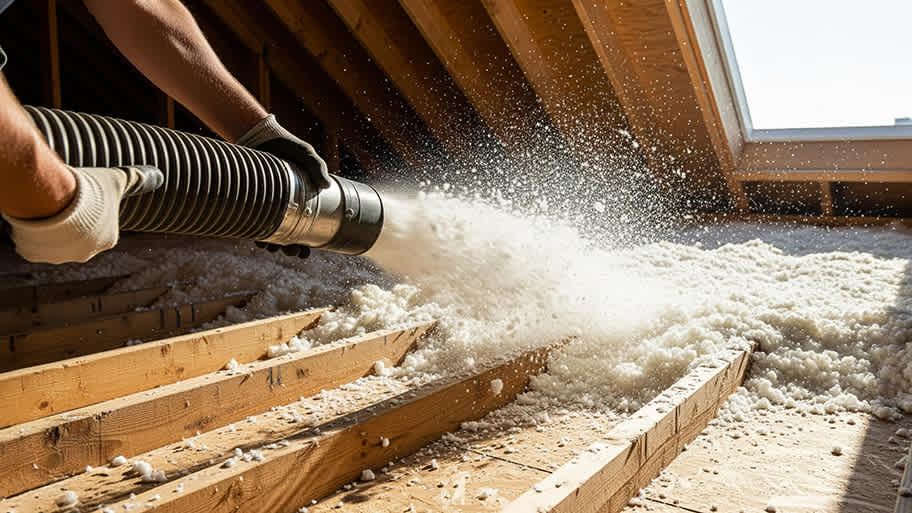
The cost of blown-in insulation in Washington, D.C. varies depending on the type of insulation, labor, prep work, and more. Learn more about the cost factors in this guide.
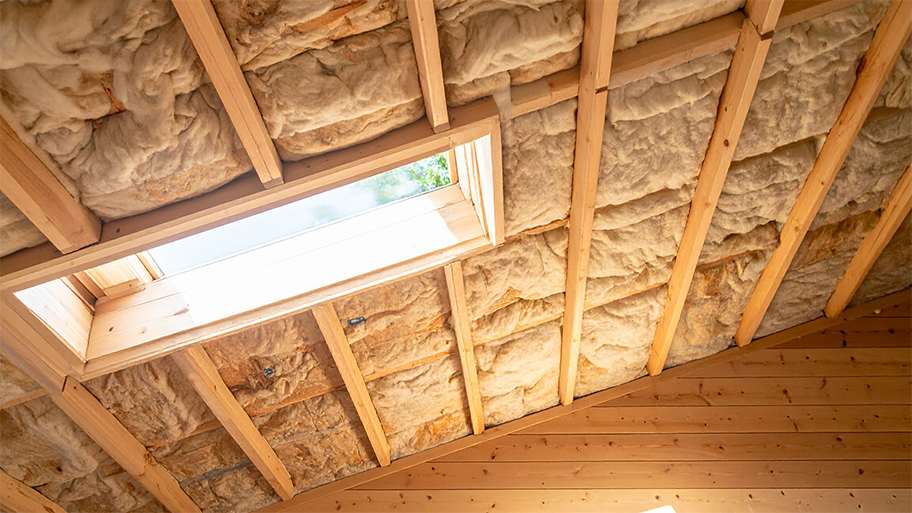
Insulating your attic can improve your home’s efficiency and reduce electric bills. Use this guide to find out what attic insulation will cost you in Washington, DC.

How much does insulation save on energy bills? It depends on where you live and the type of insulation you install.
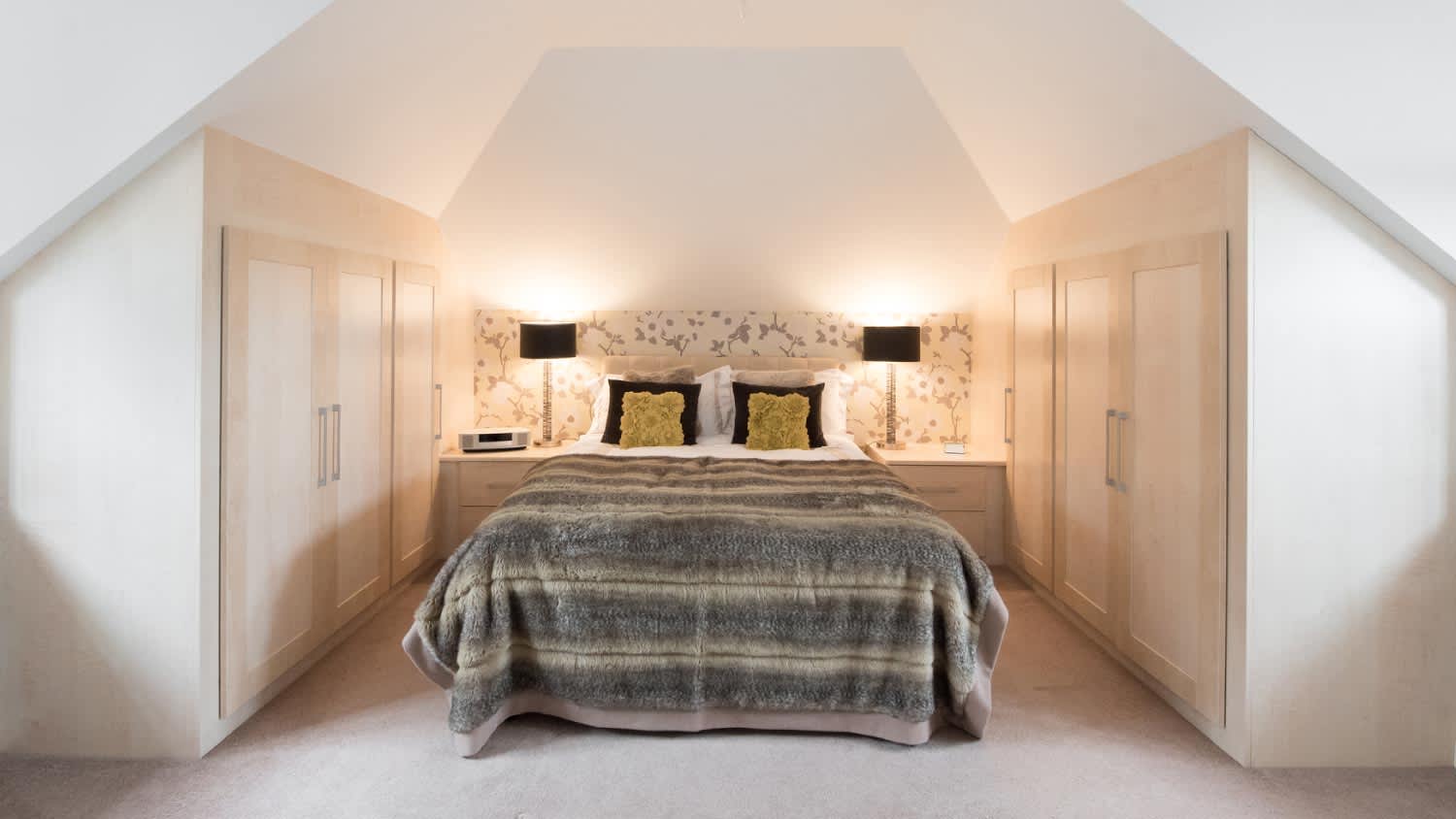
Choosing insulation for your home depends on the installation location, climate, budget, and more. Keep reading to learn how to choose the right insulation.
Insulating your attic can improve your home’s efficiency and reduce electric bills. Use this guide to find out what attic insulation will cost you in Baltimore, MD.