





Top-rated drywall insulation pros.

Best drywall insulation pros near Riverdale Park, MD

Enter your zip and get matched with up to 5 pros

Need a pro for your drywall insulation project in Riverdale Park, MD?

Select your specific project to find the pro for you.

TRUSTED BY RIVERDALE PARK, MD HOMEOWNERS

  • Average homeowner rating star icon4.5
    Average homeowner rating
  • Verified reviews icon233
    Verified drywall insulation services reviews

Top-Rated Drywall insulation pros in Riverdale Park - Updated Nov 2026

Avatar for Atlas Home Energy Solutions
Atlas Home Energy Solutions
4.1(
34
)
Blown-In Insulation - Install or Upgrade

Serving Riverdale Park, MD and surrounding areas

Approved

In business since 2009

Free estimates

Credit card accepted

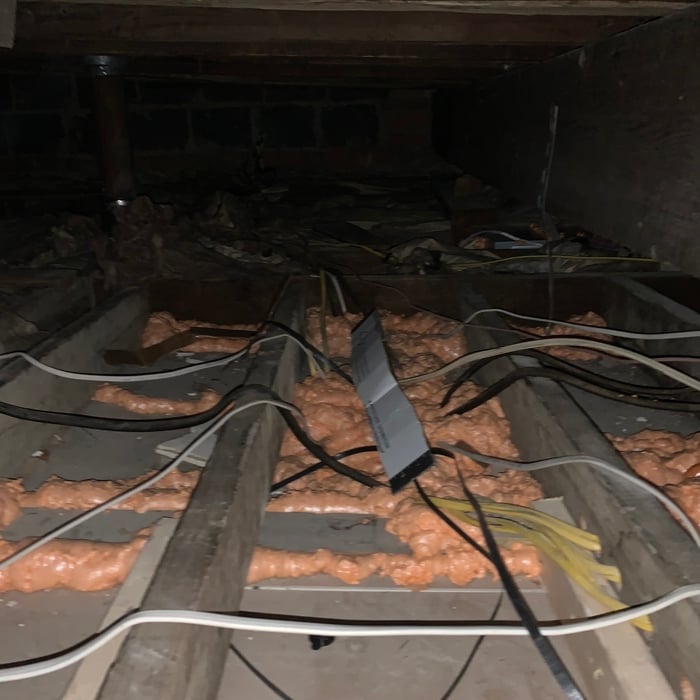
"I hired Atlas Home Energy Solutions to remove old insulation and replace it with the foam technique. However, I ran into numerous unexpected problems due to a slow leak from old pipes. It took awhile to sort out. Atlas Home Energy Solutions gave me lots of expert advice. They were willing to come out and review the situation. They were also willing to reschedule and wait until another contractor dealt with the water issue and its ensuing problems. They helped me make some difficult decisions before they could insulate the crawl space. When it was ready for them to come and insulate the area they bumped their schedule forward to get it done. This company did sterling work. Their expertise and professionalism were outstanding. They really know what they are doing and guided me through a more protracted process than originally envisioned. I would highly recommend them to anyone."
Visual Inspection of all Areas of your Home
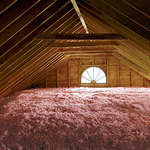
Attic Insulation and Air Sealing
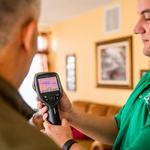
Infrared Camera Inspection
Attic Spray Foam
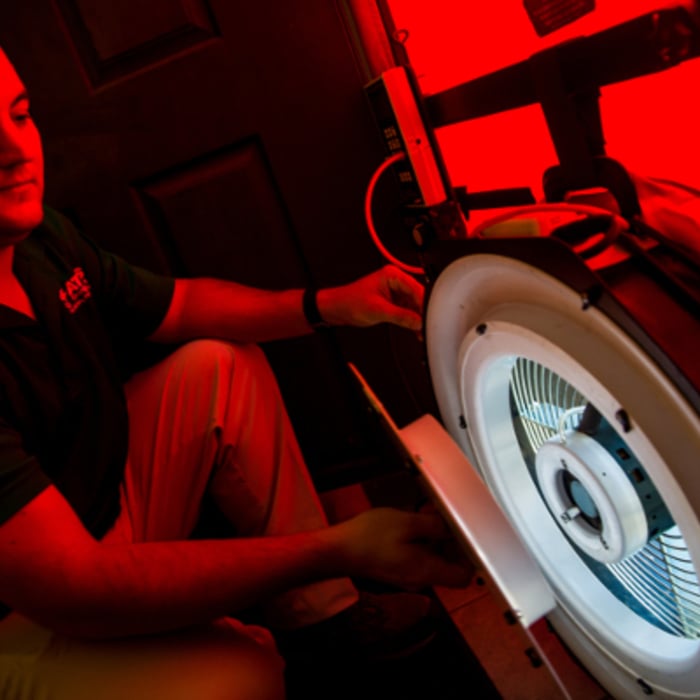
Blower Door Whole House Air Leakage Test

+11

Response time1 day
Recommended by87%of homeowners
Avatar for Xanvria LLC
Xanvria LLC
5.0(
5
)
Blown-In Insulation - Install or Upgrade

Serving Riverdale Park, MD and surrounding areas

Approved

Free estimates

Credit card accepted

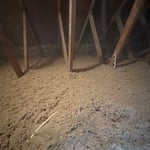
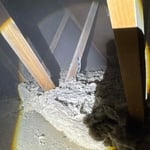
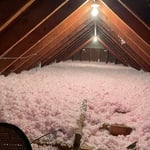
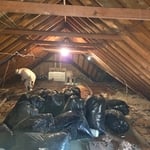
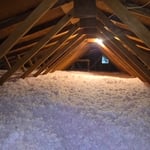
"We had Xanvria remove the old insulation in our attic, air seal the attic, and install new R-49 batts. They did a really good job, were professional, and explained what they were doing along the way. Everything came out clean and we?re very happy with the work. I would definitely recommend them."
before
after
Insulation
Insulation
3 neighbors recently requested a quote
...
Showing 1-10 of 94
Drywall Insulation FAQs, answered by experts

Although they have similar applications, spackle and joint compound are not the same. Their primary differences lie in their composition, consistency, and ideal use cases.

Spackle is composed of gypsum and binding agents, making it thicker than joint compound. It dries quickly and is easy to sand, which makes it ideal for small wall repair projects like filling nail holes or patching minor damage.

Joint compound, also known as drywall mud, consists of limestone and gypsum. It is primarily used for large-scale projects, such as taping and finishing the seams on newly installed drywall. It tends to shrink more than spackle and can be more difficult to spread.

While both products can be used to fill small depressions and cracks, spackle cannot replace joint compound for taping and mudding new drywall. Conversely, you can often use joint compound for small patching jobs typically done with spackle.

There are several benefits to wet-sanding drywall, but the main perk is that it produces far less dust than dry-sanding. As a result, wet-sanding poses fewer health risks and makes less of a mess in your home. Plus, damp sponges are less abrasive than sandpaper, so there’s a smaller chance of scratching or damaging the drywall paper. Wet-sanding also creates a smoother finish than dry-sanding.

Yes, taping inside corners is a critical step in the drywall installation process.  Properly taping inside corners is essential for achieving a professional look, and an installation that resists cracking and maintains its integrity over time. Taping the corners involves the application of a joint compound along the seam where two drywall pieces meet. This process provides reinforcement, conceals the seam, and prevents future gaps or cracks from developing.

How you hang the drywall can affect the finishing process. It's often easier to finish horizontal drywall panels, as the seams run across the wall rather than up and down. Standard drywall panels are 48 inches wide, so the seam is easy to reach without bending down or stretching your arms.

It's generally recommended to hang drywall on the ceiling first before moving on to the walls. This sequence allows the ceiling sheets to provide support for the vertical wall sheets. By attaching the ceiling drywall initially, you establish a solid framework to align and attach the wall panels accurately. This method ensures a seamless and sturdy connection between the ceiling and walls, resulting in a more professional finish.

The Riverdale Park, MD homeowners’ guide to drywall insulation services

From average costs to expert advice, get all the answers you need to get your job done.