
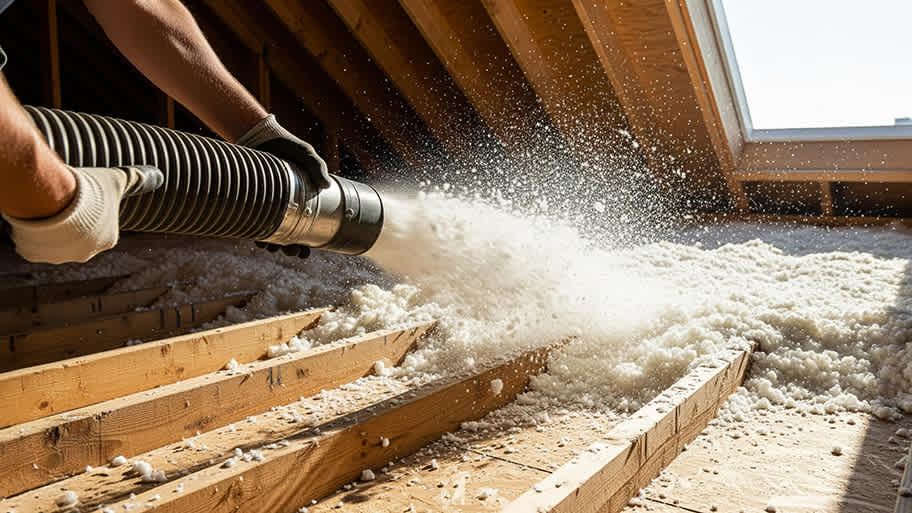
The cost of blown-in insulation in Baltimore, MD varies depending on the type of insulation, labor, prep work, and more. Learn more about the cost factors in this guide.
Insulation service costs depend on your project and location. Check with a local pro for your specific job.

Blown-in installation in Washington, D.C. generally costs $1.40 to $3.50 per square foot
Larger insulation areas raise the total cost because crews need more material and time to complete the job.
Permit fees may come into play if insulation work connects to electrical or ventilation adjustments.
Insulation plays an important role in managing indoor comfort in Washington, D.C., especially with the area’s mix of cold winters and humid summers. Blown-in insulation typically averages around $1,861, but most projects range from $1,205 to $2,563. Your total cost will depend on factors such as the level of coverage your home requires and the materials you choose. This guide breaks down these and other cost factors, allowing you to plan ahead for this project.
The cost of blown-in insulation in Washington, D.C. varies quite a bit based on factors like how much coverage your home needs and the R-value you choose. Understanding each cost factor can help you create a realistic plan for this project.
The biggest cost factor is the size of the area that requires insulation. A larger area requires more insulation and labor, increasing the overall price. This metric is calculated by multiplying your square footage by the cost per square foot of your chosen insulation materials, which are detailed below. However, a general range for blown-in insulation per square foot is $1.40 to $3.50 depending on the type.
| Area in Square Feet | Blown-in Insulation Cost Range |
|---|---|
| 500 | $700–$1,750 |
| 1,000 | $1,400–$3,500 |
| 1,500 | $2,100–$5,250 |
When measuring the efficacy of any insulation material, it all boils down to the R-value. Generally speaking, higher is better, though there are two metrics to consider. There’s the overall R-value and the per-inch R-value. For example, if you want a total R-value of 30, you’ll need ten inches of insulation at an R-value of 3.0 per inch. Materials with higher R-values cost more, like sheep’s wool, but you don’t need as much material to complete the installation.
Below is a breakdown of R-values and the corresponding prices:
| R-Value | Number of Bags per 1,000 sq. ft. | Description | Price Range |
|---|---|---|---|
| R-13–R-21 | 7–10 | Only works for interior walls or low-priority spaces; it won’t control heat loss well enough for D.C.’s long heating season. | $250–$370 |
| R-30–R-49 | 15–20 | A reasonable level for improving older homes that leak heat in winter, but it may still fall short if you want strong year-round efficiency. | $540–$1,550 |
| R-38–R-49 | 20–26 | A good fit for most D.C. homes because it helps maintain steadier indoor temperatures as the weather flips between cold snaps and mild days. | $1,150–$1,650 |
| R-49–R-60 | 26–32 | This level gives you the most consistent comfort during D.C.’s long heating months. | $1,550–$2,050 |
The cost to install blown-in insulation depends on the type of insulation you choose for the project. Anticipate spending anywhere between $0.60 and $2.30 per square foot for materials, not including installation. Below is a breakdown of each blown-in material type and how much it costs.
| Type of Blown-In Insulation | R-Value per Inch | Average Cost per Square Foot |
|---|---|---|
| Fiberglass | 2.5 to 3.5 | $0.60–$1.15 |
| Wet-spray cellulose | 3.2 to 3.7 | $0.75–$1.85 |
| Dense-pack cellulose | 3.2 to 3.7 | $2–$2.30 |
| Rockwool | 3.0 to 3.7 | $1.50–$2.25 |
| Natural wool | 3.5 to 3.8 | $1.70–$2.30 |
The cost of hiring a pro to install blown-in insulation in Washington, D.C. often includes factors beyond the labor itself. For instance, in some cases, you may need to pay for permits, as well as taxes on the materials.
Most insulation crews in D.C. charge between $100 and $180 per hour, depending on the number of installers on the job and the complexity of the space. Rates tend to increase when the project involves factors such as access difficulties, older construction that requires extra care, or areas that necessitate slower, more detailed installation.
You likely won’t need a permit in Washington, D.C. for blown-in insulation alone, but you may need one if the work affects ventilation paths or involves any electrical adjustments inside walls or ceilings. When a permit is needed, fees generally fall between $90 and $250, but the final amount depends on which part of the home is being opened and whether an inspector needs to verify access to wiring or mechanical systems.
Insulation contractors in Washington, D.C. are required to carry liability insurance and workers’ compensation. They also need a Home Improvement Contractor License issued by the District. These protections cover you if the work causes damage or if someone is hurt on the job, but the cost of maintaining them is part of what shapes a contractor’s pricing.
Washington, D.C. applies a sales tax of about 6% to insulation materials, but labor for residential insulation work is generally not taxed. It’s worth checking your estimate to ensure the tax is only applied to the materials, thereby avoiding unnecessary fees.
Blown-in insulation usually doesn’t move a home’s resale value on its own, but buyers often notice upgrades that help manage energy use and create more consistent comfort. So installing it can still give your home a competitive edge in the market by reducing heat loss and helping indoor temperatures stay steadier during long heating months.
Home is the most important place on earth, which is why Angi has helped more than 150 million homeowners transform their houses into homes they adore. To help homeowners with their next project, Angi provides readers with the most accurate cost data and upholds strict editorial standards. We survey real Angi customers about their project costs to develop the pricing data you see, so you can make the best decisions for you and your home. We pair this data with research from reputable sources, including the U.S. Bureau of Labor Statistics, academic journals, market studies, and interviews with industry experts—all to ensure our prices reflect real-world projects.
Want to help us improve our cost data? Send us a recent project quote to [email protected]. Quotes and personal information will not be shared publicly.
I insulated my attic, and upgraded my HVAC system through BGEâ s home performance program. Lumeco was my contractor and they did a fantastic job and pricing was discounted. Great company!
 Lumeco Energy
The work here in 2023 was a re-do of work done in 2016, of the top floor of this house, with a Mansard roof. It was basically uninsulated in 2016, and the work then had a big impact because at least some insulation was blown in. But large regions which I was told had been filled were not. I...
 Discount Energy Services
This is actually the third time I have hired this company, and I continue to be very happy with them. I had a roof leak that created a ceiling leak in an upstairs room. After the roofers fixed the leak, this company came in to fix the interior damage. They cut out a 48”x48” section of ceiling...
 Cabido Design & Build
We had a wonderful experience with this company. We live in a 1920’s rowhouse in NW DC with a very drafty first floor. The crawlspace had old batts and we were looking for an upgrade with foam insulation. The team that completed our project was professional, timely, clean, and very wonderful...
My basement had mold and evidence of water damage in July/August, and I was referred to Exterior Waterproofing Experts. The majority of the mold was on the side of my house, but the salesperson made a strong pitch about the need to waterproof the front of my home by digging up the garden down...
The crew used all sorts of scientific machines to evaluate where I was loosing heat from my 2-bedroom condo. Afterwards they gave me recommendations. We decided that putting insulation above my roof and below the building roof, with special attention to areas where warm air was escaping would...
 Home Energy Medics
Excellent work and reliable company. Our crawl space was mere dirt, full of moisture, critters, cold air. It was disgusting. JES came in to insulate, stabilize foundation, encapsulate, and install dehumidifier. Now it looks amazing clean and dry. Dug out for more room as well.
 JES Foundation Repair
Had to call them back a few times due to insulation blown all over the neighborhood. Some edges of roof looks like it was rushed. They tried to make things work, but they definitely seemed like they rushed the work.
 Brax Roofing
We had them insulate the back wall of our row house on Capitol Hill. David was very patient in explaining all the ins and outs of insulation when we spoke on the phone. Within an hour of when we spoke he had a quote sent out to me. On the day of the installation they came when they said they...
 Prudent Homes
From average costs to expert advice, get all the answers you need to get your job done.
The cost of blown-in insulation in Baltimore, MD varies depending on the type of insulation, labor, prep work, and more. Learn more about the cost factors in this guide.
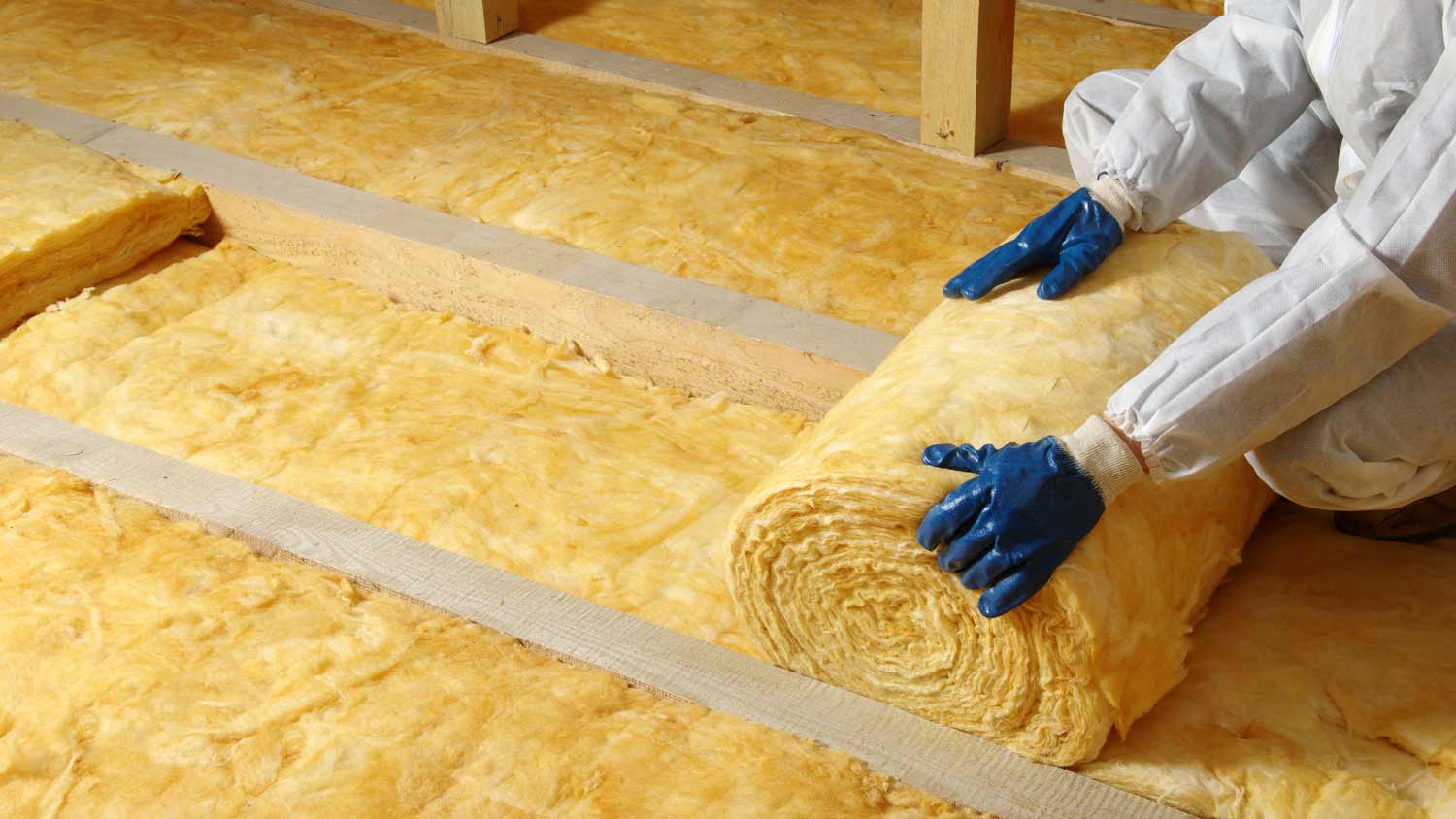
New insulation makes your home more comfortable and boosts energy efficiency. Use this guide to budget for insulation installation costs in Washington, D.C.
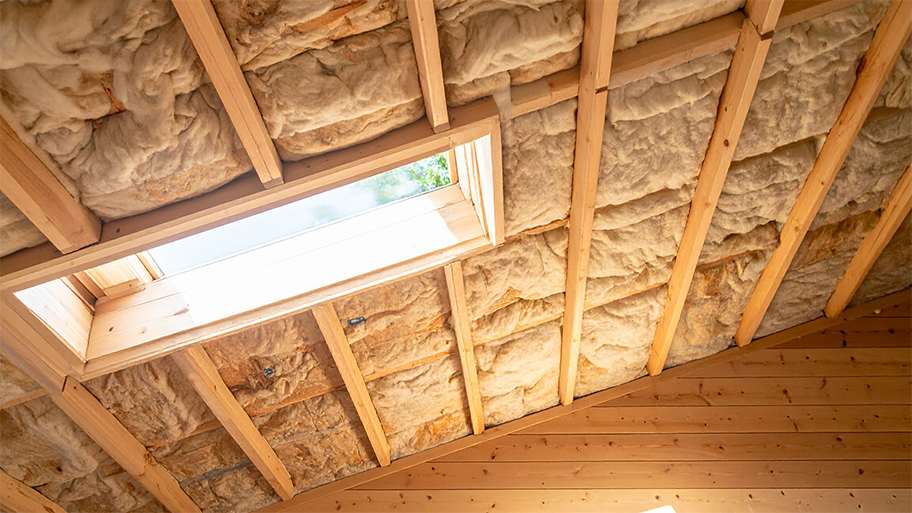
Insulating your attic can improve your home’s efficiency and reduce electric bills. Use this guide to find out what attic insulation will cost you in Baltimore, MD.
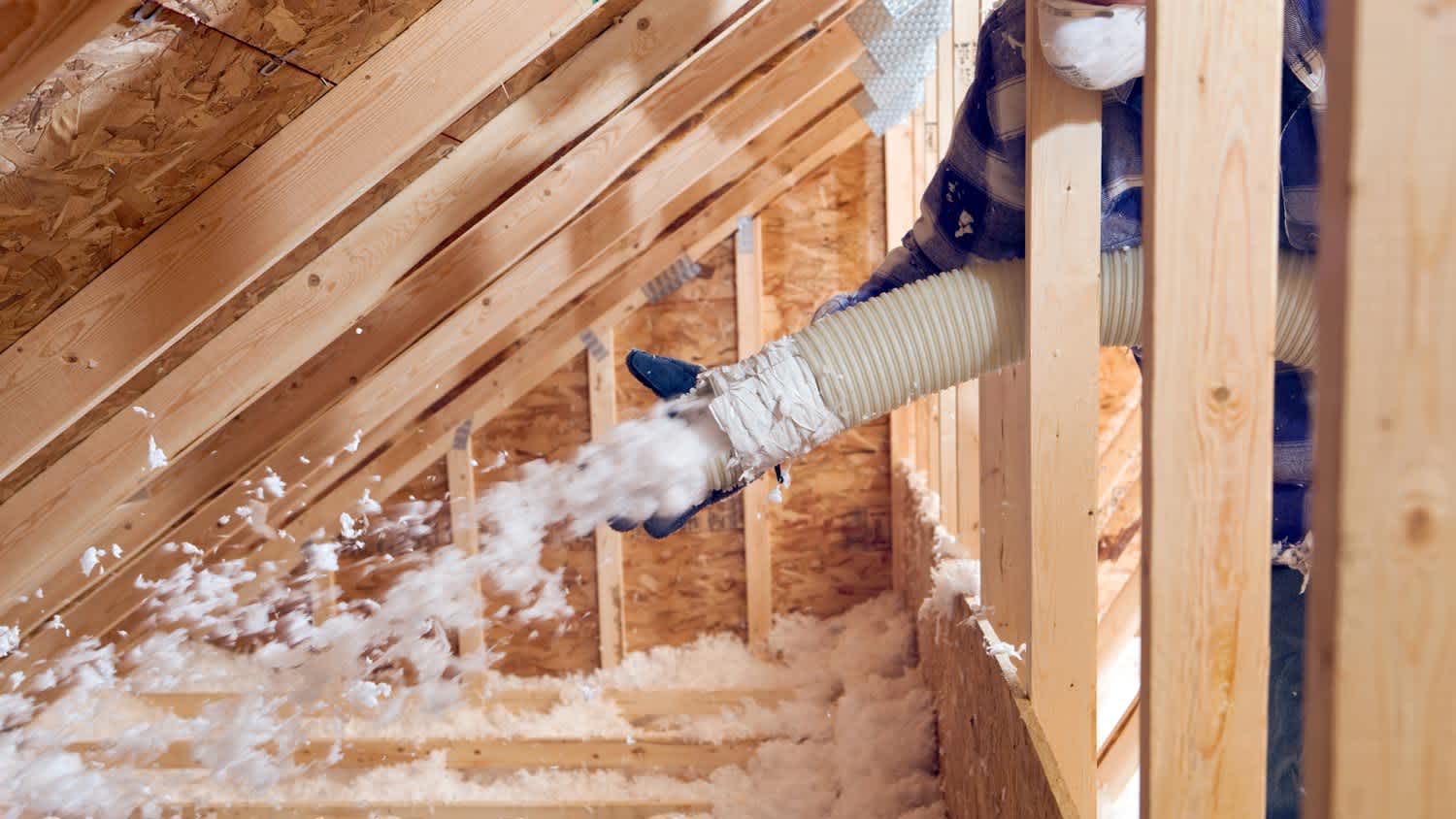
Are your energy bills spiking or rooms feeling drafty? Learn about blown-in insulation installation costs, urgency signs, and how to hire a local pro.
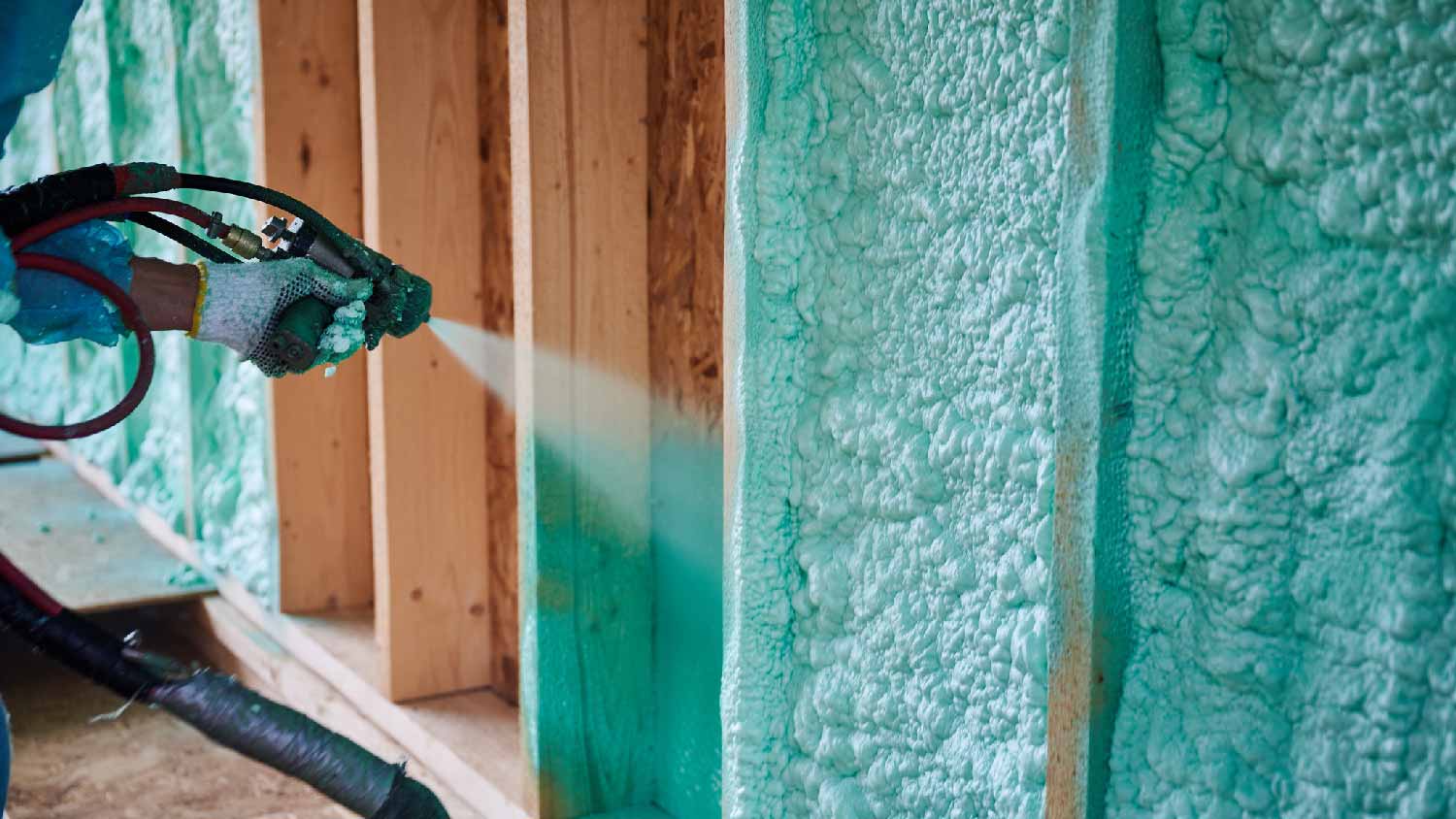
Are you stuck trying to decide between blown-in insulation and spray foam insulation? Factors like your budget and local climate will help you pick the right one.

Remove blown-in insulation from your attic safely and efficiently by following this step-by-step guide and prep for your attic remodeling project.