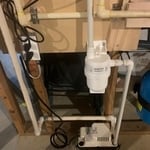
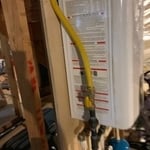
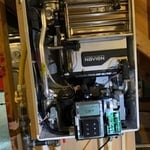
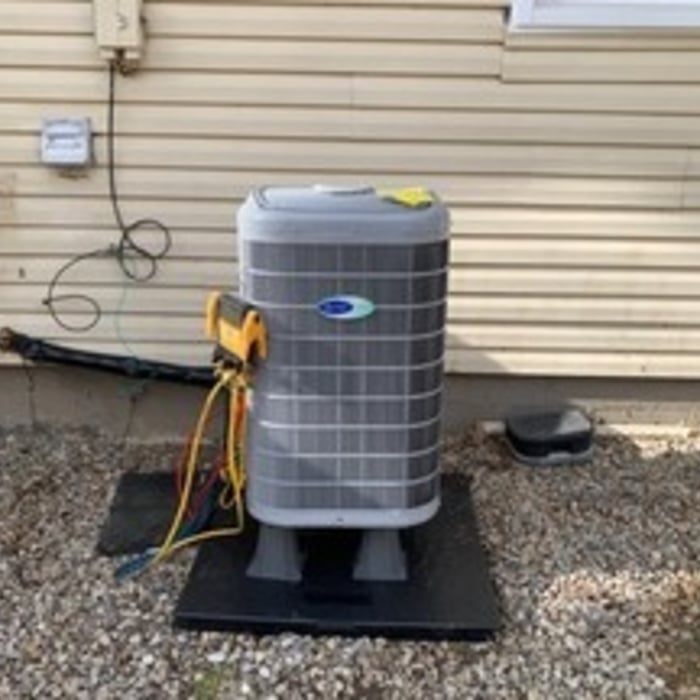
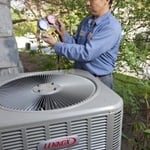
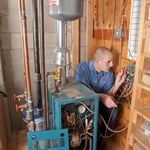
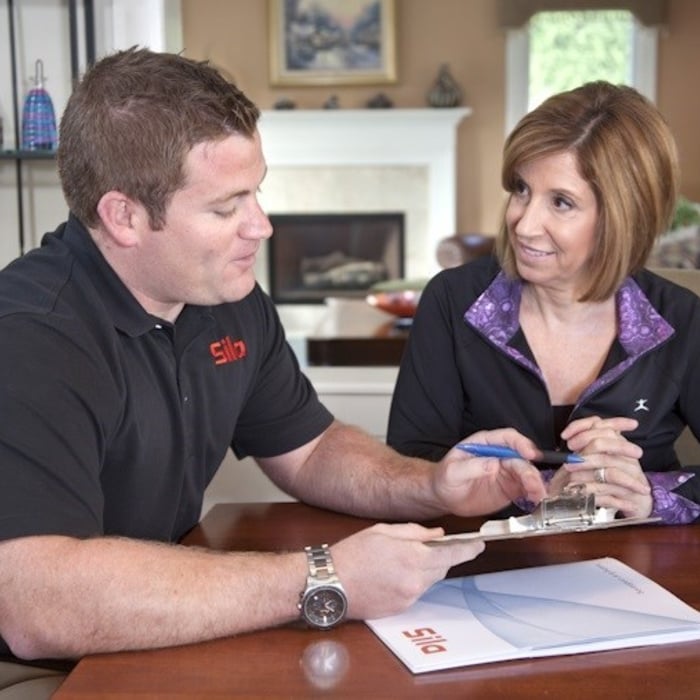
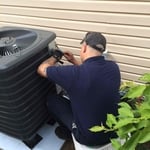
"We were extremely happy with our entire experience. Grove responded quickly to our inquiry - provided a quote the next day and started the day after that. Our attic air handler was very difficult to access and Grove had a "can do" attitude about the entire installation. The price was comparable to other bids - but for a better system and with a much better explanation. They were on time, complete, and clean. We will absolutely use them again."
"Isak was on time, courteous, professional, and he explained to me exactly was he was doing. He made the installation a smooth process. I will be calling for my future hvac needs!"
"Excellent and professional service. Installers run into an issue post install, but a service tech was sent first thing following morning. Issue rectified!"
Three qualities all of our people have that make us Northern Virginia, D.C. & Maryland’s #1 Home Service Provider. That’s the F.H. Furr Difference. F.H. Furr is D.C., Maryland & Northern Virginia’s premier plumber, HVAC contractor and electrician. F.H. Furr is A+ rated by the Better Business Bureau and has consistently been voted Best of Prince William County for HVAC, Plumbing and electrical.
"Everything went great. The old hot water heater was removed and then the new hot water heater was installed where I requested it to be with all of the plumbing done in a neat professional manner. It was a pleasure working with Bamford plumbing and I have been very happy with the work they have done. I would highly recommend them to anyone. "
"I had a difficult time tracking down a responsive, reasonably priced plumber, even through Angies List. Aqua has been fantastic. They were responsive to my calls and questions. I inquired about just replacing my 40 year old boiler which was not working after a dusty mess of a basement demolition (in addition to other questions). They had the opportunity to steer me in that expensive direction, but they instead told me of the challenges the new boilers have, and to periodically have old trusty cleaned and serviced instead. She should be reliable if I do that. Honesty goes a long way with me, as does customer service. This company is a gem. Unfortunately, my house is a hot mess as a result of significant demolition in my basement, so I will be calling again for a different leaky pipe after I leave this review. I'm thankful I now know who to call for my plumbing needs."
"This is the second time that we have used B.A.R. In December our furnace was leaking, it was cold and Henry came out very soon after calling. He needed to do an "innovative" fix, which was awesome because we were leaving on vacation. There was no question then who I would call when we woke up recently and it was COLD. This time there was no hope for the furnace. Henry once again responded quickly to my call for help, and he has once again had to come up with a "crafty" fix with the install of a new furnace. They are the best, and I would highly recommend them for both repairs and new installs. They will work until your problems are solved. They are honest and I trust them which is a very important aspect of hiring any company."
"Continental's technicians were highly experienced, professional, considerate, respectful, hard working, and neat. They arrived on-time when scheduled. Allied's drilling and trenching crews were excellent also. This was a big messy job that took about a week and we are very happy with the work that they did. The owner of Continental, Frank Jackson, sold us the system. He provided an extensive reference list that went back at least 15 years. He was on-site for most of the job providing hands-on supervision of his technicians. His technicians are so experienced that he didn't have to be there to supervise them. Rather, I believe he was there to make sure that the job was finished on time because they are so busy. Allied had an on-site supervisor at the start of the drilling process to finalize the location of the loop bores, but their drilling crew was highly experienced and needed no supervision. Installing geothermal is a messy job. The vertical bores and horizontal trenching for the ground loop makes a muddy mess. The drillers from Allied were very respectful to the property, much more than I expected. I expected that the drilling process would make "a mess and a half" but it only made a mess! At the end of the job the ground was re-leveled and ready for seed, which has already popped and growing grass. As one of the drillers said "the mess only takes grass seed to fix". The HVAC technicians from Continental left the spaces where they worked in "broom-clean" condition. We had to do some "deep cleaning" afterwards, but this was completely reasonable. We expressed our concerns about the job to the technicians before they started work because we do not know much about HVAC or geothermal. They took the time to explain what they were going to do and how they were going to do it. They kept us fully informed about their progress and included us in the decision making process when they had more than one way of running a pipe or duct. They made us feel really comfortable and that we were getting a top-notch job. While the cost for the system from Continental was a little bit higher than their competitors I think we got value for money. In addition to the reference list we received during the sale process, we also know two families that used Continental in the recent past and they are very happy with the work that was performed. We would use Continental again and would recommend them to others. If you go with the option to integrate your hot water heater with the geothermal system (which is supposed to reduce the cost of the hot water that you use) I would reccommend that you bite the bullet and have a preheat tank installed at additional cost. We didn't do that and in retrospect we should have based on some further reading that we did about how to get the most bang for the buck from geothermal. It would be easy to install the preheat tank during a new construction project. It would be harder to install the preheat tank during a replacement project (like ours was). "
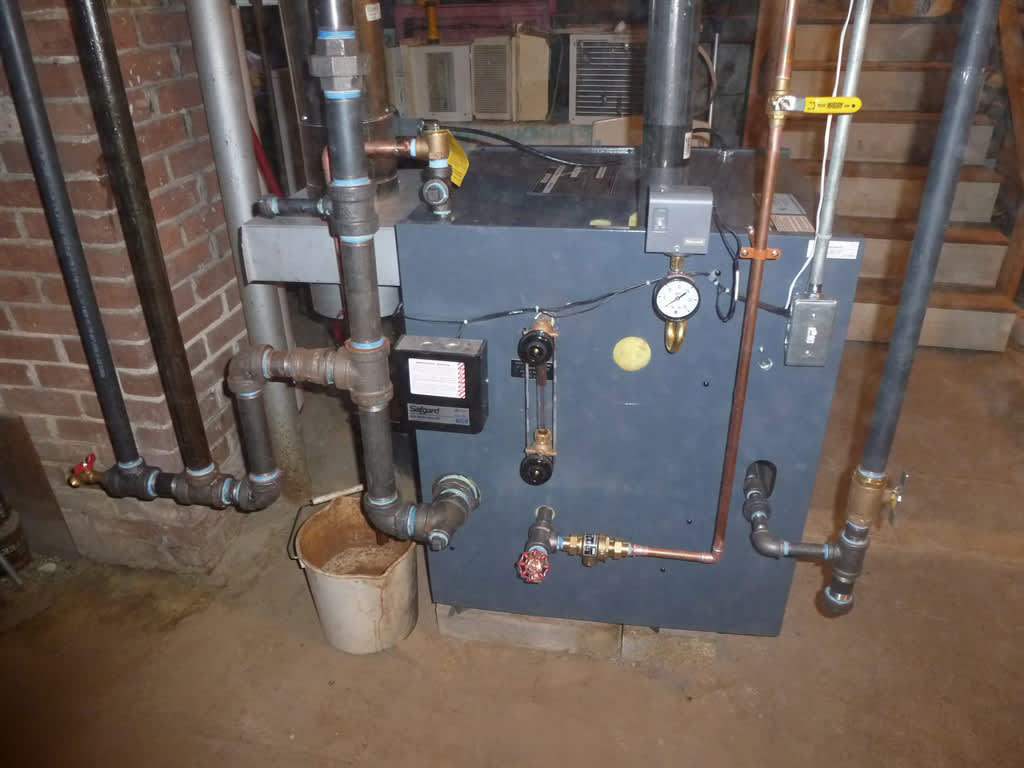
The most important sign of a boiler problem is something happening unexpectedly, which is why regular boiler maintenance is important. Unexpected problems can include strange smells, new leaks, and unexpected noises that your boiler wasn’t making before. Additionally, if a boiler keeps shutting off or can’t maintain a specific temperature range, it’s time to call in an expert.
The average lifespan of a boiler is typically between 15 and 20 years, though some may last for as little as 10 years while others can reach 30. A boiler's longevity is influenced by several factors, including the quality of the unit, proper installation, and consistent professional maintenance.
The material also plays a significant role. Older boilers made from durable cast iron can last for over 20 years, with some functioning for up to 50 years. However, it's important to consider their lower efficiency, which can lead to higher utility bills. Modern boilers, often made from steel alloys, are designed to withstand high pressure and temperatures and have an average lifespan of about 20 years.
To maximize your boiler's lifespan, ensure it is installed correctly, have it professionally maintained each year, and address any necessary repairs immediately.
You can save money on heating oil through a combination of improving home efficiency and smart purchasing strategies.
Home Efficiency and Usage:
Improve Insulation: Ensure your home, especially the basement and attic, is well-insulated and sealed against drafts to prevent heat leakage.
Manage Your Thermostat: Use a properly calibrated and programmable thermostat. Lower the temperature by a few degrees, particularly when you are away from home or asleep.
Purchasing Strategies:
Buy in the Off-Season: Order heating oil during the summer months when prices are generally at their lowest. This strategy is most effective if you have a large primary tank or a separate storage tank to accommodate bulk deliveries.
Consider a Delivery Contract: Some companies offer contracts with a set price for the term. This can lead to savings if market prices for oil increase, but you might pay more if prices drop.
Safety concerns with propane boilers include proper venting to prevent carbon monoxide buildup, secure gas line connections, and regular inspection of safety controls. Professional boiler installation and annual maintenance are essential to minimize risks. Having a carbon monoxide detector installed in your home is essential for early detection of any leaks or ventilation issues.
DIY is not recommended due to safety risks and technical expertise required. Hire licensed professionals.
The Riva, MD homeowners’ guide to boiler installation services
From average costs to expert advice, get all the answers you need to get your job done.
The average boiler installation cost depends on size, system type, and other factors. Keep reading to learn the cost of a new boiler in Washington, D.C.
Find out the average radiator and boiler repair cost in Washington, D.C. Learn what you can expect to pay for local heating services and keep your home warm.