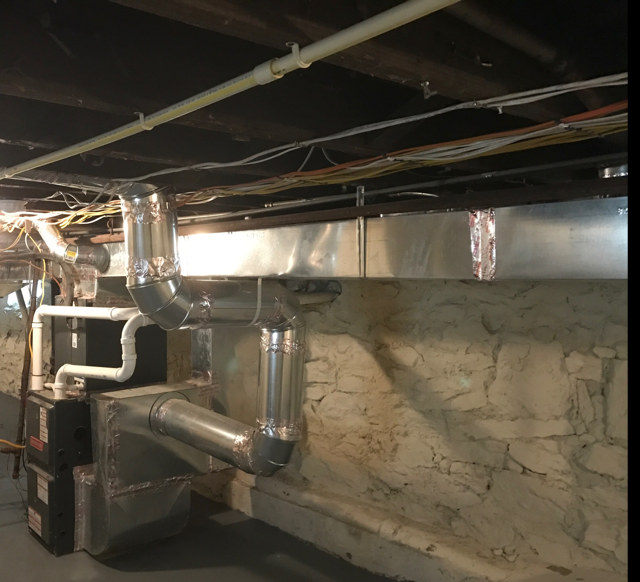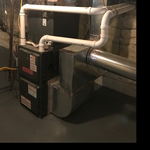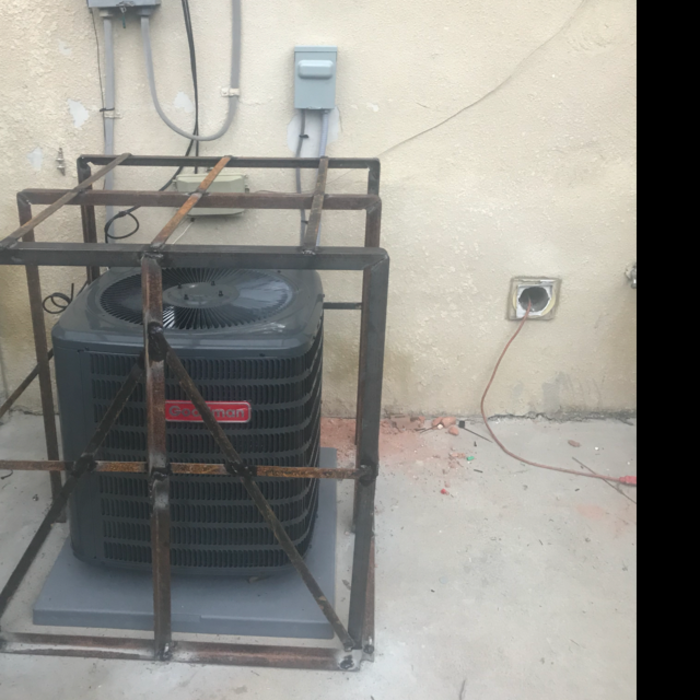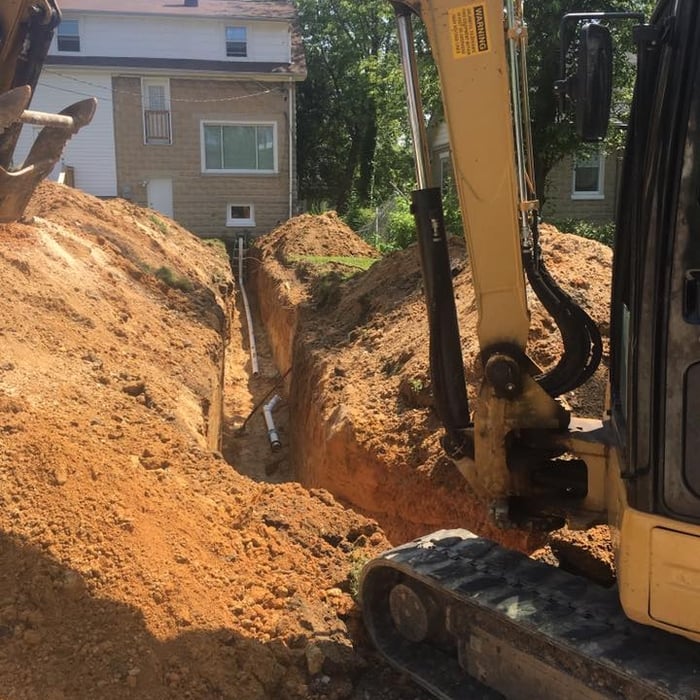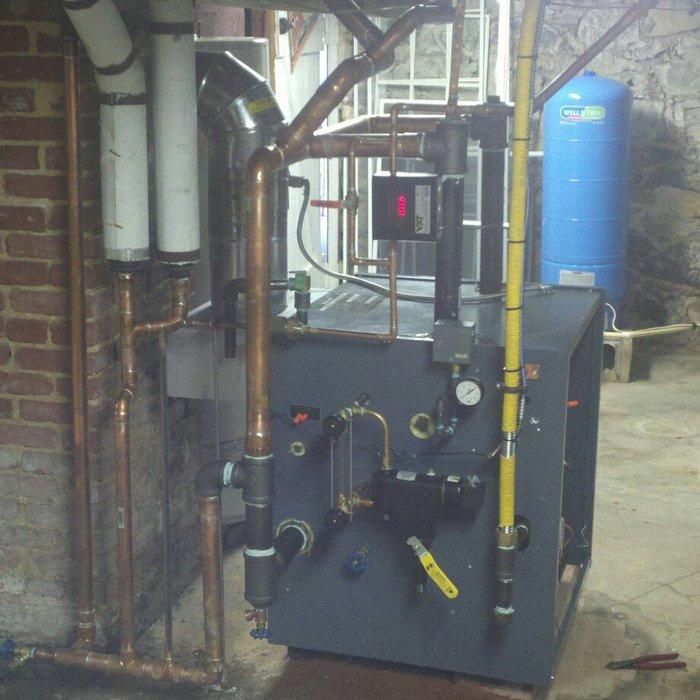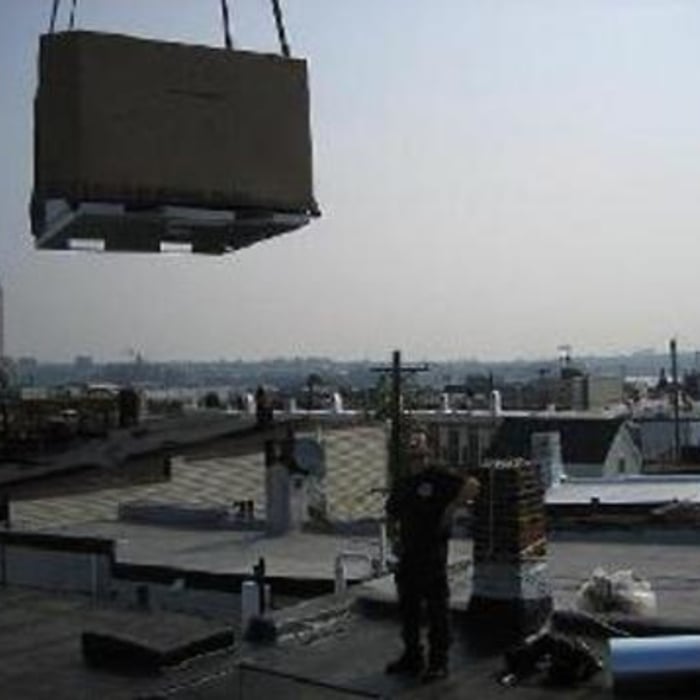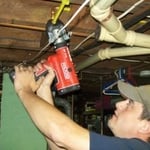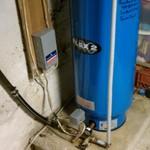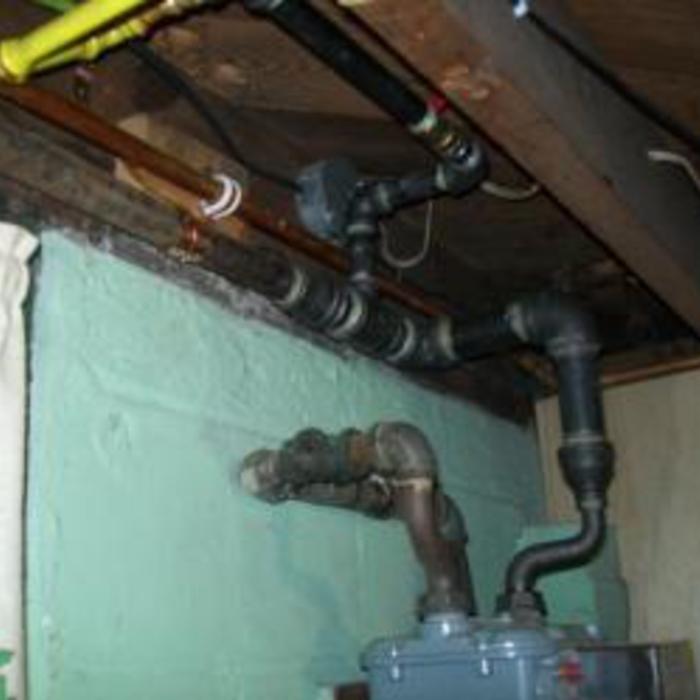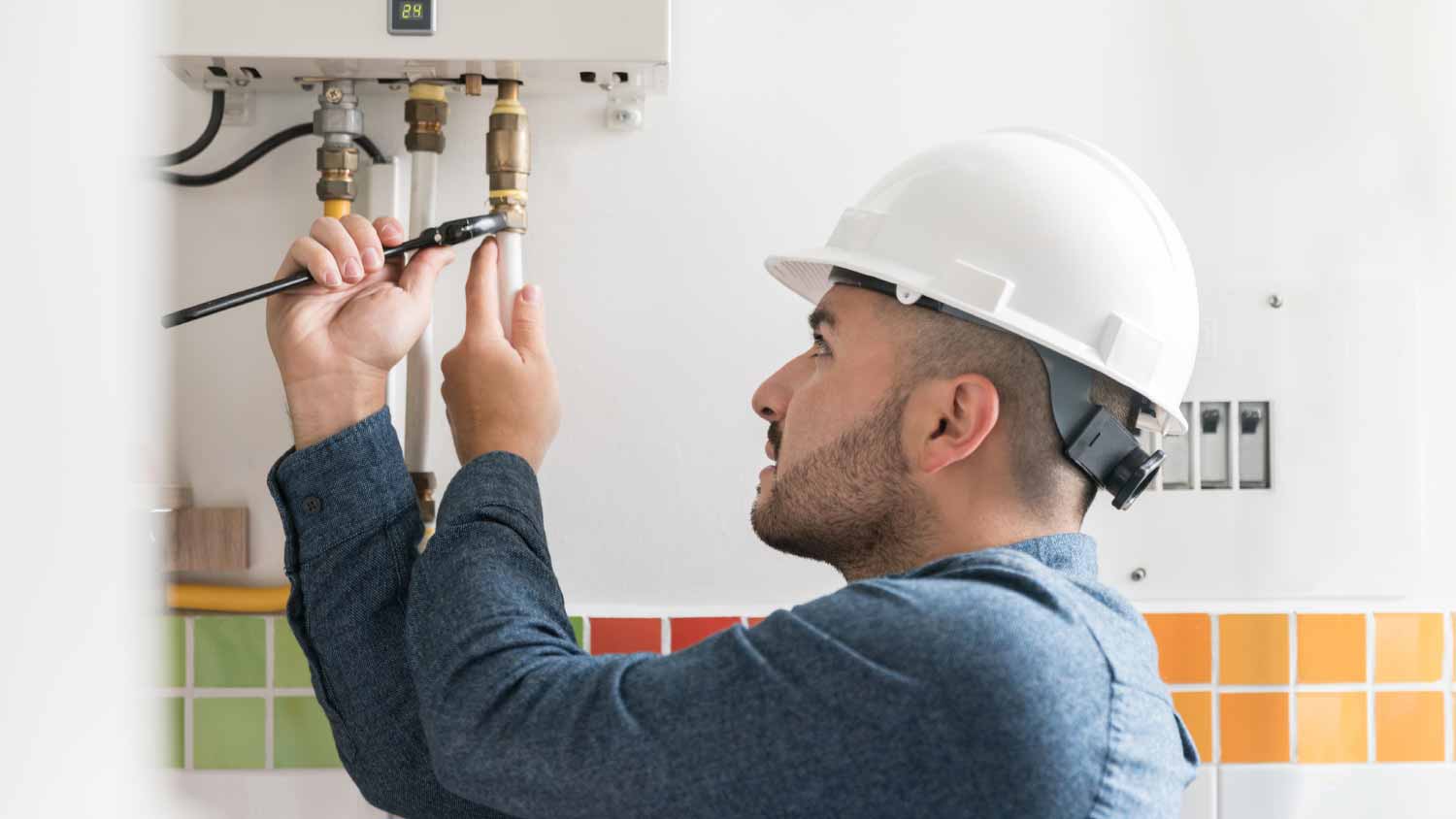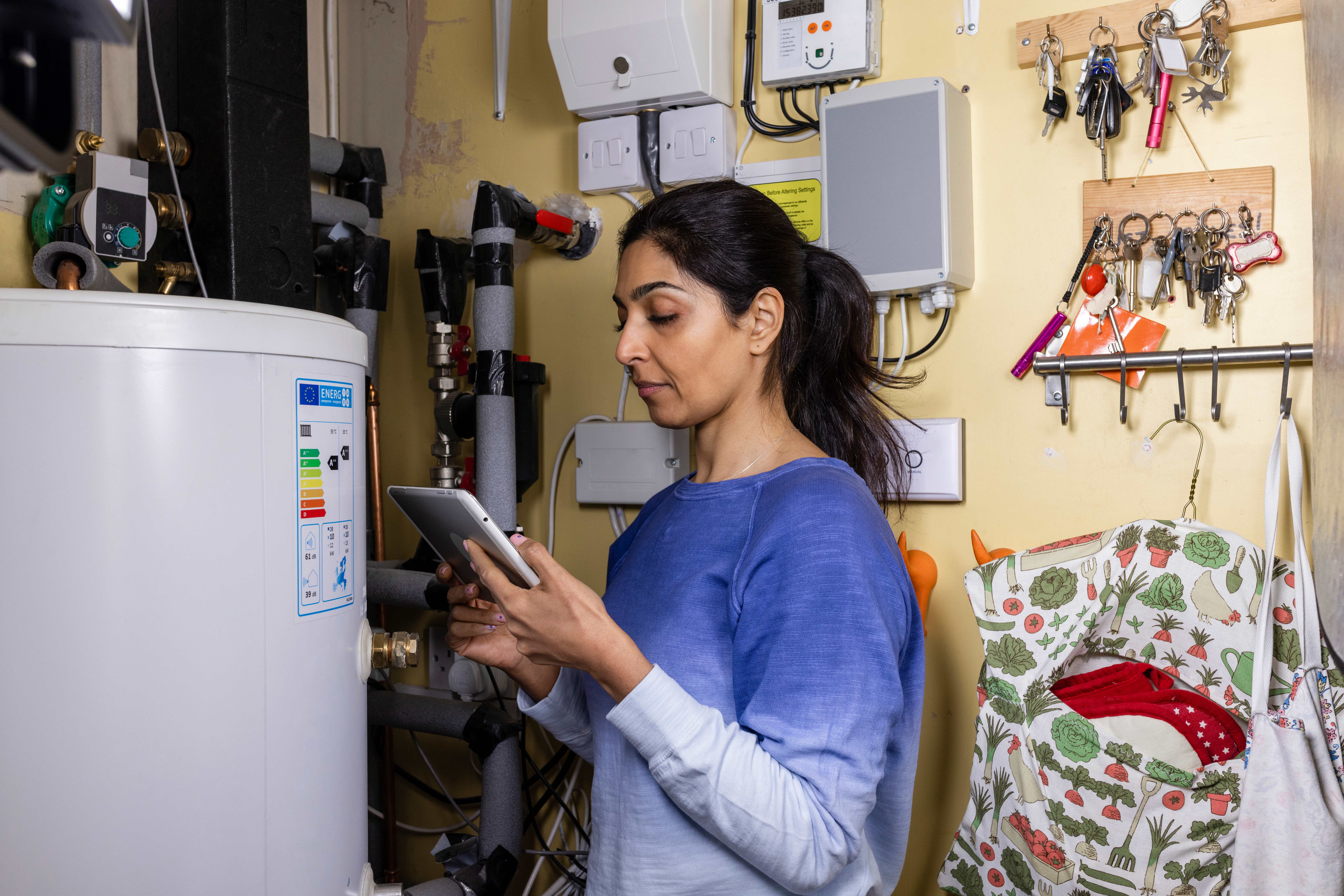
"Perfect! Doug is an expert Plumber that knows private water system. He removed the old equipment and installed the new. Everything is still working great. The work was done almost 13 years ago. We used all Top of the line Gould Equipment. I probably should call Doug to replace it again because breakdowns with the water system can leave you stranded."
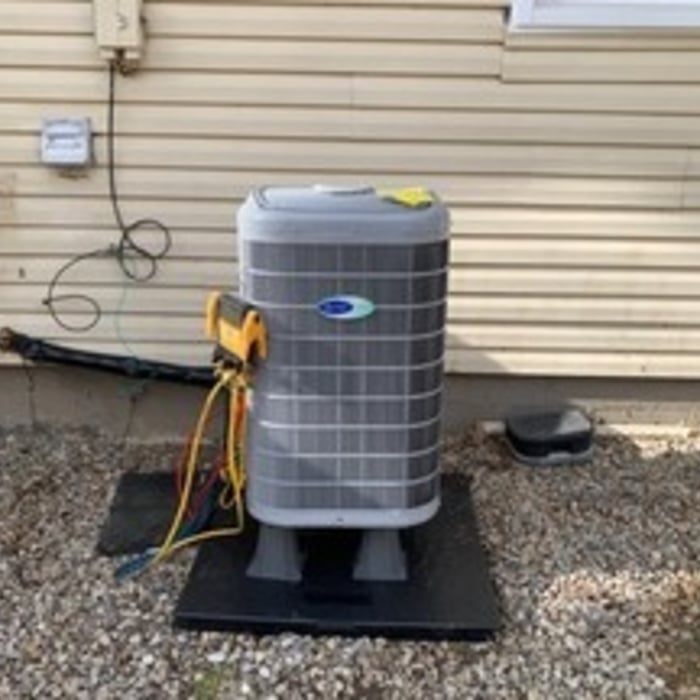
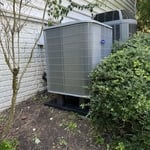
"I had them replace my entire HVAC system (furnance + AC). They did a great job through the whole process. Out of four quotes I received, they were the only ones that took the time to do a full heating and cooling load calculation for my house when they came to do an estimate in addition to making detailed measurements of our utility room to make sure anything they installed would fit. They gave me three proposals ranging from low-end, mid-range, and high end options and explained the equipment in each of them in detail, including documenting all the model numbers, efficiency ratings, and specs. What they recommended matched up with my research I did prior to receiving estimates. They were very responsive, knowledgeable, and professional so I gave them the job. The crew arrived on time, worked hard the whole day, were respectful of my house, and did not require supervision (although, they told me I was more than welcome to ask questions and watch anything they were doing). They cleaned up, explained the warranty and rebate options with all the paperwork already filled out so that all I had to do was sign--they even mailed both the warranty and rebate off for me. The whole process went great. While their prices were fair they were not the cheapest, but I have no doubt they did a great job, didn't cut corners, and will stand by their work if I experience any problems. They are a reasonably sized HVAC business and not a one-man-band shop like many places in the area, so I know they will likely still be around through the life of the warranty and are well staffed to respond to emergencies, including a 24/7 emergency service number. Overall, we're very happy with the new system and it's a huge improvement over what it replaced--both the AC and furnace are much quieter than the old units, more energy efficient, and perform better. It's been a month since the install and everything has been working fine without problems."
"Sam and Chad did a wonderful job clearing the tub drain, installing new faucets in the bathrooms, installing a new shower head, and other projects. They double checked their work and answered any questions I had. While they need to come back next week to do a small part of the whole project, they were honest about what piece of equipment they thought would work, but would not. They were efficient, professional, and pleasant to be around. They made my day."
"Very professional installation. Was done in a timely fashion and the crew was very professional and clean. Huge difference in the comfort of our home now."
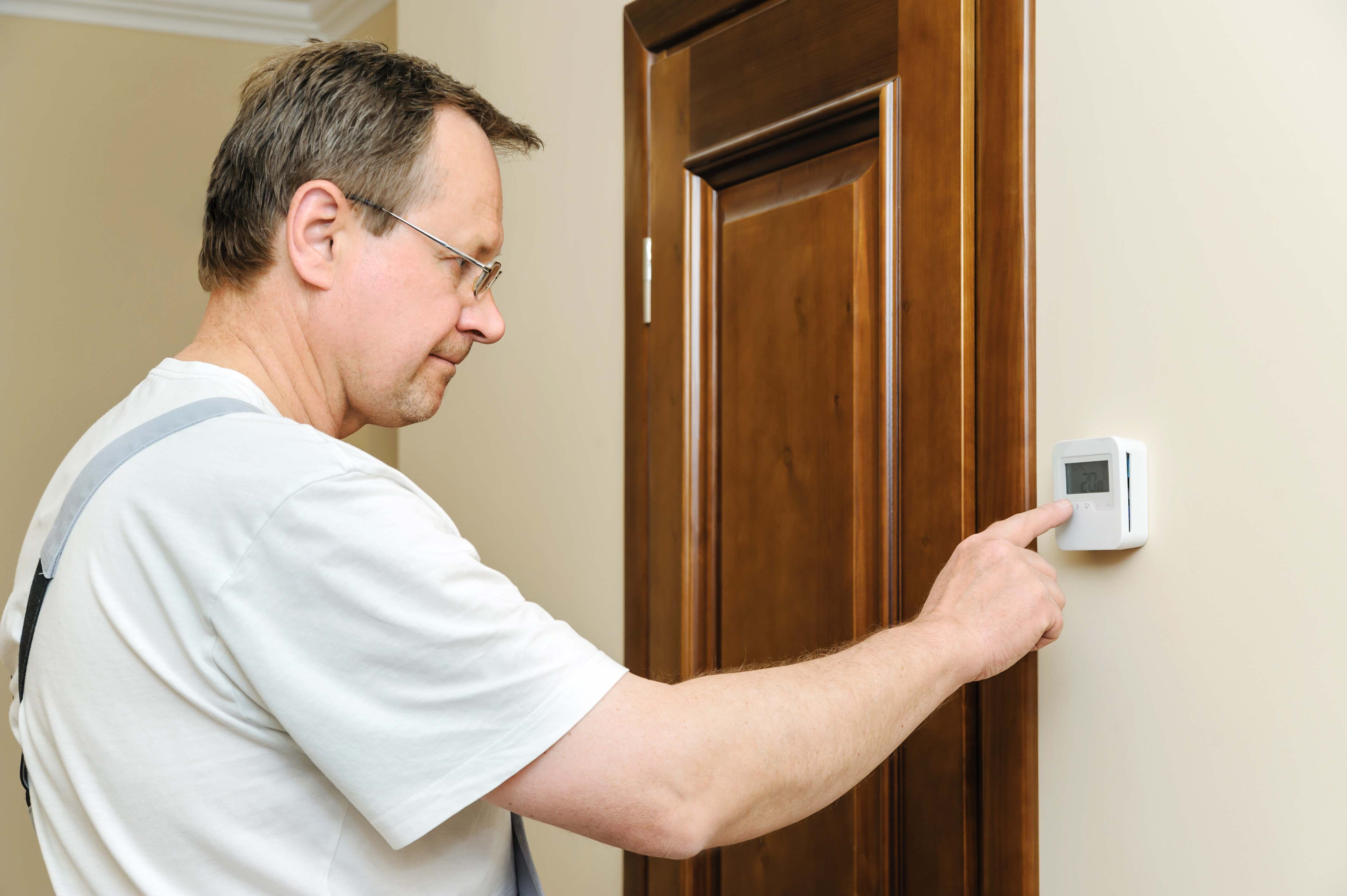
"The owner was very responsive and came out to install the heat pump in a day. However, they had trouble configuring my echobee4 and took couple hours extra to do it. In fact, they still didn't configure it right and had to come back out couple weeks after. But they did try their best to fix the problem"
The primary differences between a heat pump and a boiler are their function and how they produce heat. A heat pump is a versatile system that provides both heating and cooling by moving ambient air and altering its temperature. In contrast, a boiler is solely a heating system, often working with a furnace or AC unit as part of a larger HVAC system. In terms of heat production, a heat pump generates heat more slowly and at a lower temperature, requiring a large convector for distribution. A boiler, however, produces a large amount of high-temperature heat that it emits through smaller radiators.
On average, you’ll need about two gallons of oil per day to heat your house when it’s 50 degrees Fahrenheit outside. Most oil tank capacity is about 275 gallons, and heating your house with two gallons of oil per day will last about four and a half months. This consumption will vary depending on the climate and average temperature in your location. For example, if the winters are longer and colder where you live, you’ll probably need to refill your oil tank at least once to get through the winter.
The cost-efficiency of baseboard heaters depends on the type and how you use them. Generally, standard electric baseboard heaters can be expensive to run because they use electric resistance heating, which is less energy-efficient than systems like forced-air or heat pumps. However, hydronic and gas versions are typically much cheaper to operate. Hydronic models are more energy-efficient because they heat a liquid that retains warmth longer, preventing the thermostat from turning on and off as often. The overall running cost is also influenced by local electricity rates, your home's insulation, and your usage habits. To increase efficiency, you can use baseboard heaters for zoning, meaning you only heat the specific rooms you are using.
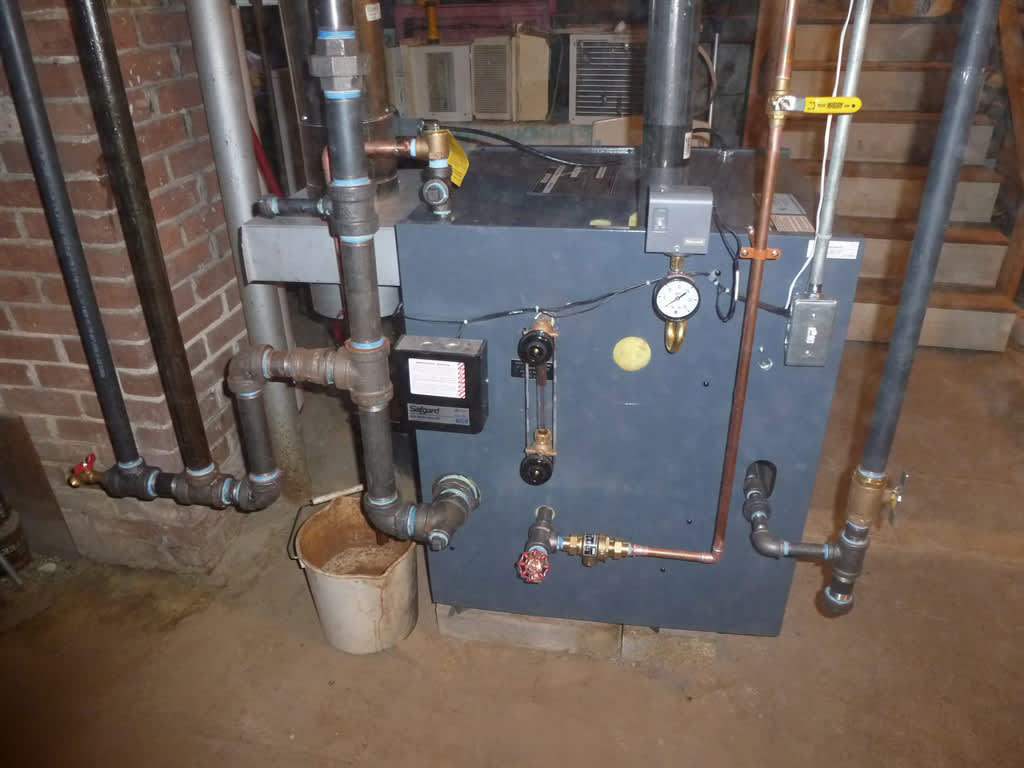
No, boilers and water heaters are not interchangeable because they serve different primary functions. Boilers are used for central heating systems, providing hot water or steam to heat your home. In contrast, a water heater's purpose is to supply hot water for daily household use, such as for faucets and showers. A water heater alone cannot supply the warm water or steam needed for a central heating system.
While they are not interchangeable, it is common to have both a boiler and a water heater. In fact, a conventional boiler often works best when a water heater system is already in place. The two systems can be combined to provide both heating and hot water, either by pairing a boiler with an indirect water heater or by installing a premade combination boiler-water heater unit. For home heating, some homeowners may also opt for a furnace instead of a boiler.
The best time to buy home heating oil is in the summer when the demand is lowest, as the prices are usually lower. However, waiting until the summer to buy is often unavoidable unless you install a separate storage tank. If you have the space for a second tank, you can expect to pay between $1,000 and $4,000 for the oil tank replacement or installation, depending on the capacity and location. You could quickly recuperate these costs, though, by stocking up on heating oil in the summer and avoiding deliveries in the winter when prices are highest.
The Parole, MD homeowners’ guide to boiler installation services
From average costs to expert advice, get all the answers you need to get your job done.
The average boiler installation cost depends on size, system type, and other factors. Keep reading to learn the cost of a new boiler in Washington, D.C.