Top-rated plaster repair specialists.

Get matched with top plaster repair specialists in Overlea, MD

Enter your zip and get matched with up to 5 pros

Need a pro for your plaster repair project in Overlea, MD?

Select your specific project to find the pro for you.

TRUSTED BY OVERLEA, MD HOMEOWNERS

  • Average homeowner rating star icon4.3
    Average homeowner rating
  • Verified reviews icon199
    Verified plaster repairs reviews

Find Plaster repair specialists in Overlea

Avatar for PatchMaster North Baltimore
PatchMaster North Baltimore
5.0(
5
)
Plaster - RepairPlaster - Repair - For Business

Serving Overlea, MD and surrounding areas

Approved

Free estimates

Small jobs welcome

Credit card accepted

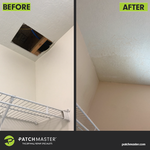
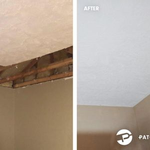
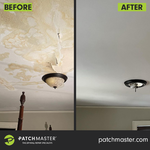
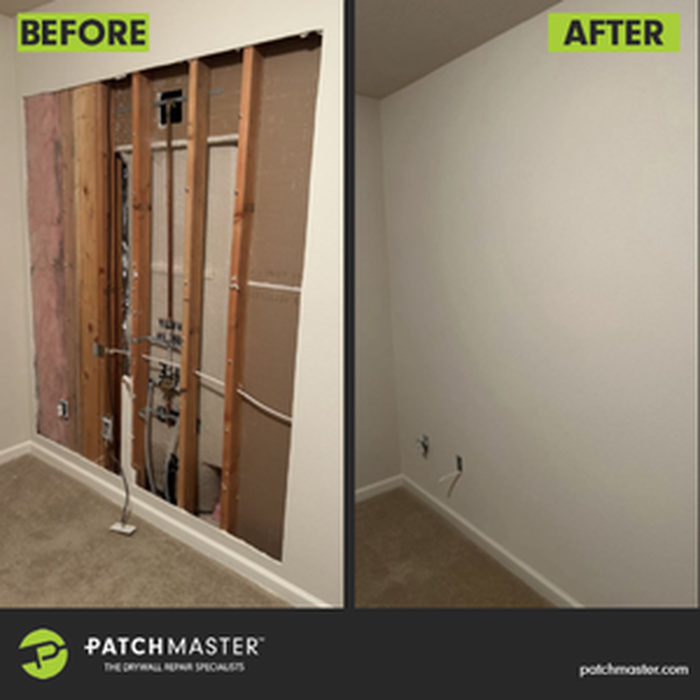
PatchMaster Baltimore North specializes in professional drywall, plaster and ceiling repair for homes and businesses throughout Baltimore and surrounding communities. We repair holes, cracks, water-damaged drywall, nail pops, damaged ceilings and textured surfaces, with expert texture matching and color-matched painting for a seamless finish. From small patches to larger drywall repairs and installation, our licensed and insured team delivers clean, efficient workmanship with dust-minimizing practices. Free estimates available.

Our Gallery Photos
Ceiling Repair
Wall Repair
Crack Repair
Wall Restoration

+4

2 neighbors recently requested a quote
Avatar for Hugo Carpet Services, LLC
Hugo Carpet Services, LLC
4.1(
36
)
Plaster - InstallPlaster - Repair

Serving Overlea, MD and surrounding areas

Approved

In business since 2010

Free estimates

Credit card accepted

"I must say I was nervous about allowing a carpet service do repair on my laminate hardware floor. They sure did a absolutely amazing job! I mean I was completely speechless at the superb quality of work and the time it took them to complete the job was mindblowing! After completing this job for me, I'll be using them for any carpet, tile, hardwood floor installs in the future for sure!"
Response time12 hrs
Response rate90%
Recommended by93%of homeowners
...
Showing 1-10 of 288
Plaster Repair questions, answered by experts

You can put certain types of plaster over other types, but doing so isn't always the best idea. For example, putting a coat of gypsum over lime plaster is possible, but doing so will limit the lime plaster's breathability and potentially affect its performance.

Since cement plaster tends to leave a textured surface, no matter how much you smooth it, some people prefer to use gypsum plaster as a topcoat over cement plaster, creating a smoother surface.

Yes, you can speed up the time it takes for plaster to dry, but it's important to do so carefully to avoid issues like cracking or crumbling. Proper ventilation is key; open a window or use a fan to circulate air in the room. Heat can also accelerate drying, but be cautious, as too much heat can cause the plaster to dry too quickly and crack. Check the plaster's packaging for the recommended drying temperature and set the room's thermostat accordingly. While managing humidity is important, avoid using a dehumidifier, which can remove moisture too aggressively and result in crumbly plaster.

All plaster walls will crack over time due to normal house settling and expansion and contraction from temperature and moisture changes. Small, thin hairline cracks are generally not serious and are mostly a cosmetic issue. However, larger or more significant cracks can indicate structural problems.

Here's how to tell the difference:

  • Cosmetic Cracks: Cracks that are 0.5 cm (0.2 inches) or thinner are typically cosmetic.

  • Structural Cracks: Cracks wider than 0.5 cm, excessive or deep cracks, multiple cracks in the same area, or cracks that span around corners can signify a structural or foundation issue. Cracks along the joints where walls meet the ceiling also warrant attention.

For cracks wider than 0.5 cm, structural repair is needed. If a crack is 2.5 cm (1 inch) or wider, or if you notice any signs of a structural problem, it is best to contact a plaster repair professional to assess the damage.

This depends on how much plaster is applied and in how many layers, but a decent estimate is around 150 square feet. If you are applying only two coats on a small wall, there is a chance you may only need one or two gallons for the entire project. If you are plastering a large living room wall with high ceilings, using one of the more involved techniques–like Scagliola–that requires several coats, expect the project materials costs to add up quickly. 

Both plaster and drywall are durable wall finishes, but they differ significantly in installation, cost, performance, and aesthetics.

Installation & Cost: Drywall installation is faster and more affordable, typically costing $1.50 to $3 per square foot. It uses premade sheets, making it a more accessible DIY project. Plastering is a labor-intensive craft that requires specialized skills, pushing costs to $2 to $10 per square foot. It involves applying a wet paste over a lath framework.

Durability & Performance: Plaster is generally more durable, longer-lasting, and provides superior soundproofing. It is also a better insulator, which can help reduce energy costs. Drywall is easier to remove for future renovations.

Aesthetics: Drywall provides a smooth, uniform surface ready for paint or texture. Plaster offers a high-end, naturally textured look that can hide imperfections and is often preferred for achieving a classic or historic aesthetic.

Which is better? The choice depends on your priorities. Drywall is ideal for those prioritizing a lower upfront cost, faster installation, and DIY potential. Plaster is the better option for a higher-end project where durability, soundproofing, and a unique, premium finish are more important than the initial cost.

The Overlea, MD homeowners’ guide to plaster repairs

From average costs to expert advice, get all the answers you need to get your job done.