





Top-rated fire pit installation pros.

Get matched with top fire pit installation pros in Highland, MD

Enter your zip and get matched with up to 5 pros

Need a pro for your fire pit installation project in Highland, MD?

Select your specific project to find the pro for you.

TRUSTED BY HIGHLAND, MD HOMEOWNERS

  • Average homeowner rating star icon4.5
    Average homeowner rating
  • Verified reviews icon387
    Verified fire pit installation services reviews

Find Fire pit installation pros in Highland

No results for Fire pit installation pro in

Try adjusting your search criteria.
Fire Pit Installation questions, answered by experts

Your pilot light needs to be on whenever you’re using your furnace to heat your home. However, you might decide to turn it off during the summer months, when you don’t need heating. Doing this can save you a little bit of money on utility costs—just make sure you’re fine with relighting your pilot light (or hiring a professional to do it) when fall comes around and you’re ready to get cozy.

No, but they both serve distinct life-saving purposes. Smoke detectors primarily sense the presence of smoke, typically caused by a fire, and emit loud alarms to alert occupants to evacuate. In contrast, carbon monoxide detectors monitor the levels of carbon monoxide gas, an odorless and colorless but deadly substance produced by incomplete combustion of fuels. When CO levels become dangerous, CO detectors sound alarms to warn inhabitants of potential poisoning risks. 
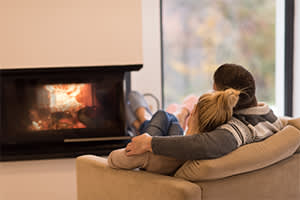

The damper, located just above the firebox, can open or close the chimney flue. The damper should remain closed unless there’s a fire burning in the fireplace. Closing the damper prevents energy loss through the chimney and cold air from seeping into the home during the winter. Opening the damper helps maintain airflow when there is a fire and prevents smoke and gases from venting into the house.

Yes, mineral spirits are flammable and may spontaneously combust at temperatures of 200 degrees F or more. Storing them in well-ventilated spaces and disposing of them the proper way are the best ways to prevent mineral spirits or anything contaminated with them, like towels and rags, from going up in smoke.

The short answer is yes, but the longer answer is more complex. Unless the fireplace is ventless by design, you’ll need some type of exhaust pipe system to safely send fumes and other harmful byproducts out of the house. Even then, ventless fireplaces are not always permitted because they do keep the byproducts inside of your house. Ventless fireplaces are safest when installed in spaces that are themselves well-ventilated, like large rooms with lots of windows.

The Highland, MD homeowners’ guide to fire pit installation services

From average costs to expert advice, get all the answers you need to get your job done.