






Top-rated lawn irrigation specialists.

Get matched with top lawn irrigation specialists in Fulton, MD

Enter your zip and get matched with up to 5 pros

TRUSTED BY FULTON, MD HOMEOWNERS

  • Average homeowner rating star icon4.4
    Average homeowner rating
  • Verified reviews icon43
    Verified lawn irrigation services reviews

Find Lawn irrigation specialists in Fulton

Avatar for Burge Sprinkler Company, LLC
Burge Sprinkler Company, LLC
4.7(
60
)
Lawn and Garden Sprinkler System - RepairLawn and Garden Sprinkler System - InstallLawn and Garden Sprinkler System - Install - For Business+1 more

Serving Fulton, MD and surrounding areas

Approved

In business since 2011

Free estimates

Credit card accepted

"This was a complicated irrigation project and every problem was tackled (and conquered) with perseverance, good analysis, professionalism and a "can do" attitude. After many experiences with this company they always satisfy and put the customer first. I have great confidence in Tim, Scott and Timmy."
Response time2 days
1 neighbors recently requested a quote
Recommended by96%of homeowners

Avatar for Maryland Decking
Maryland Decking
5.0(
16
)
Lawn and Garden Sprinkler System - Install

Serving Fulton, MD and surrounding areas

Approved

Super Service Award Winner

In business since 2015

Free estimates

Warranties offered

"Super easy to schedule! They were on time and did a fantastic job aerating my yard. The Toro stand-on aerator they used is far superior to the push/walk behind aerators. Definitely recommend MD Decking for your aeration."
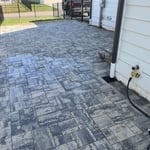
Paver patio
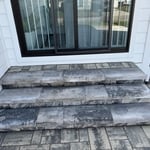
Paver steps
Back yard upgrade
Fence and patio
Paver patio & turf

+47

Response time2 hrs
Response rate100%
37 neighbors recently requested a quote
...
Showing 1-10 of 70
Lawn Irrigation questions, answered by experts

If you spray a DIY vinegar solution that contains high salt, it can disrupt the soil's structure and make it difficult for plants to grow. That's why it's vital to avoid spraying vinegar solution on areas where you are trying to grow plants and flowers. When using a mix of vinegar and soap, some say you can plant a few days after the vinegar dries. 

The best time to plant grass seed depends on your local climate and whether you have cool-season or warm-season grass.

For cool-season grasses (like tall fescue), the ideal time to seed is late summer or early fall (typically August and September). During this period, the soil is still warm from the summer, but the air is cooler, creating optimal conditions for germination and root establishment before winter. There is also less competition from weeds. Spring is a secondary option, but cooler soil temperatures, the risk of a late frost, and less time for the grass to mature before summer heat can make it less successful.

For warm-season grasses (like St. Augustine), the best time to plant is from late spring through mid-summer (typically May and June), when temperatures are consistently between 75 and 90 degrees Fahrenheit.

In general, it is best to avoid seeding during winter or early spring, as cold soil and air can prevent seeds from germinating. For recommendations tailored to your specific grass type and climate, consider consulting a local lawn care professional.

Too much clover in your lawn can indicate several issues with your soil. Clover can thrive in soils with abnormally high pH, low-cut grass, and low nitrogen. Amending these issues can push clover out for good.

Hardy perennial clover loves the low nitrogen and compact conditions that often come with poor, infertile soils. But other factors also contribute to a clover explosion, including drought conditions, cool temperatures, under fertilization, and over-irrigation. You’ll need to evaluate all these elements when planning to kill off the clover.

Foxtail self-seeds and dispurses them among other grasses and pastures. The seeds can spread by wind and by attaching themselves to animals and humans. Seeds will germinate in their new location and become a new plant, which continues the spread of foxtail. Unfortunately, foxtail spreads easily, making it difficult to remove unless it’s caught quickly.

Some grass types grow better than others on hard dirt. For example, hardy grass types like perennial ryegrass and Kentucky bluegrass will grow better on tough soil. Keep in mind that you should still consider your area’s climate when deciding on a grass type.

The Fulton, MD homeowners’ guide to lawn irrigation services

From average costs to expert advice, get all the answers you need to get your job done.