

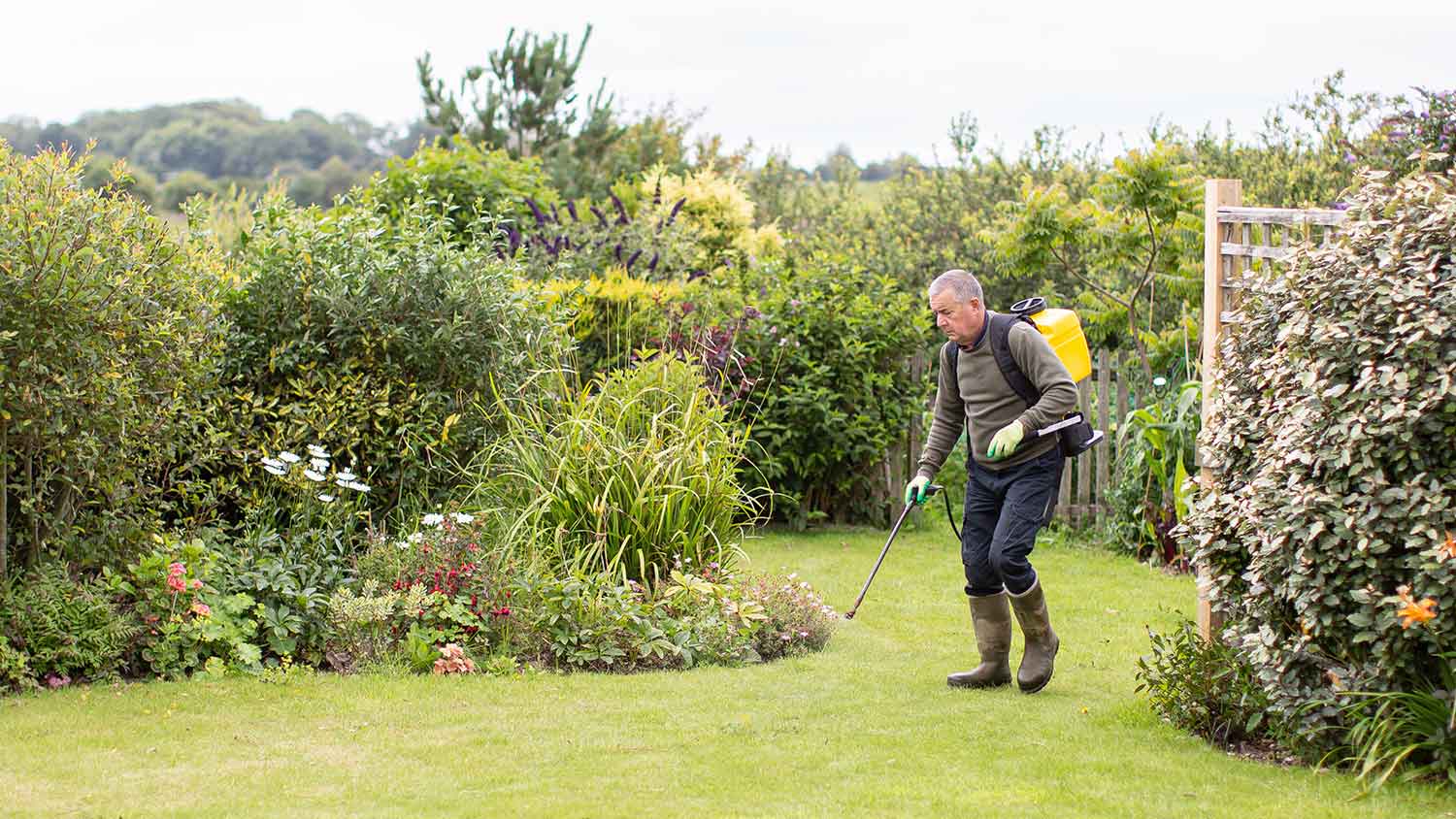
Expect your weed removal service cost to depend on the size of your yard, the type of treatment, and the severity of the infestation.
In the weeds? Here are some DIY ways to clear up your lawn

Weeds grow wherever conditions are favorable because they germinate quickly and produce thousands of seeds each season, making your lawn vulnerable to constant reinfestation.
Store-bought herbicides cost $20 to $300 depending on the brand and container size, but homemade solutions using vinegar, salt, and dish soap offer budget-friendly alternatives.
You can kill weeds with natural grass removal methods like boiling water, vinegar mixtures, or covering them with mulch to block sunlight and starve unwanted plants.
Hiring a local lawn aeration professional improves your root system and reduces weed growth by loosening compacted soil and creating better conditions for your desired plants.
Unwanted grass and weeds turn our yards from a garden paradise to, well, something worse. But learning how to make homemade grass and weed killer is budget-friendly, easy on the lawn, and extremely effective.
Pulling out unwanted grass via manual weeding is a time-consuming and frustrating process, made even more difficult in the blaring hot sun. And using store-bought herbicides are decent options, but the former can be expensive and the latter introduces unwanted chemicals onto your property. Instead, follow our guide to making your own grass and weed killers.

Weeds are any plant you don’t want growing in an undesired location. With that in mind, any unwanted grass is a weed. Why do they appear in your lawn? Weeds are opportunistic and grow whenever and wherever conditions are favorable. They enjoy the same conditions as the more beloved plants in your yard, such as decent moisture levels and moderate temperatures.
Many weed types germinate quickly, producing thousands of seeds each season which, in turn, leads to more and more weeds. They can also lay dormant in the soil for years before germinating, further confusing the process. In other words, the presence of weeds is not your fault, though you should prepare to spring into action to safely control the presence of unwanted weeds.
Great experience from start to finish. They responded to my inquiry quickly and came out to give me a quote the same day. My yard was overgrown with weeds and needed lots of trimming. The guys came out and pulled all of the weeds by hand to get them out by the roots and trimmed up nicely. They were able to come up with a treatment plan within my budget to get my lawn and yard looking great again. Very professional, efficient and knowledgeable.
Professional weed removal costs an average of $100 per visit but increases to $200 per visit for large and weed-infested lawns. Purchasing weed-killing chemicals like store-bought herbicides cost anywhere from $20 to $300, depending on the brand, container size, and formulation. However, these herbicides are typically filled with potentially dangerous chemicals.
Before you begin mixing potent weed-killing potions, some crucial preparation steps are worth considering. First of all, clean up your yard to the best of your ability. You don’t want errant leaves or an ancient lawn chair covering up a patch of weeds that demands attention. Next, take some time to scout out any undesired grass or weeds on your property, leaving no stone unturned.
Finally, consider the season and the weather. Ideally, you should wait until the growing season so the weeds are easier to spot and, if possible, choose a bright and clear day for the application process. This timing makes it easier to determine whether the homemade weed killer works.

You have several options when it comes to the wacky world of homemade weed and grass killers.
Vinegar and dish soap are effective on their own, but together they become a weed-killing powerhouse. The mixture includes white vinegar, salt, and liquid dish soap, so prepare your ingredients.
Mix together 1 gallon of white vinegar, 1 cup of salt, and 1 tablespoon of dish soap.
Stir the mixture properly until fully combined.
Pour the solution into a spray bottle for easy use. This mixture stays potent for a while, so store it in the same container when finished.
Apply the solution directly onto the weeds during a sunny part of the day. The sun and heat help the chemicals complete their task.
Check on the weeds in a few hours to see if they are browning and, thus, dying. This formulation does not traverse the root system, so be prepared to make multiple passes.
Remember, this solution makes no distinction between weeds and your prized petunias, so spray carefully.
Rubbing alcohol makes for a decent weed killer, adding yet another use-case scenario to this chemical’s impressive resume. It removes moisture from the foliage, causing any undesired grass to die.
Mix 1 quart of water with 2 tablespoons of rubbing alcohol.
Stir until fully combined.
Pour the solution into a spray bottle for easy application.
Like with the vinegar-based solution, apply on a sunny day and spray directly onto the weeds.
Exercise caution and work slowly to ensure you spray the compound onto weeds and not other plants.
Boiling water is an effective weed killer, in addition to being your best bet when cooking pasta. This is a great option for clearing out standalone weeds in cracks in the pavement and other out-of-the-way locations.
Boil water, remove it from the stovetop, and take it outside.
Pour the water over the weeds.
Exercise caution when handling boiled water. Wear gloves, long pants, and close-toed shoes.
Finally, avoid accidentally pouring some of the scalding-hot liquid onto your favorite grasses. Boiled water kills indiscriminately.
Corn gluten meal is the powder left over after corn is milled, and it makes for a mighty fine weed suppressor, stopping seeds from completing the germination process. This substance is highly effective but requires an ultra-precise application schedule and a bit of weather-based luck.
Time the application to coincide with the initial seed planting period. This period varies depending on the type of weed. The best time to try this method is anywhere from March to late May, but cross-reference this timeline with the types of weed on your property.
The best time to apply corn gluten meal is during a dry period. Ideally, you want two or three dry days after the initial application for the best results.
To apply, spread the powder over the soil where the seeds are located.
Water the corn gluten into the soil after applying.
Wait for the roots to die off.
Weeds are plants and require plenty of sunlight and water to grow. You know what that means. You don’t necessarily need a chemical solution—just cover the weeds up.
Use a bit of mulch, which acts as a natural ground cover, or cardboard, newspaper, purpose-built lawn coverings, or swaths of fabric.
Mow your lawn on the shortest setting during the summer months, paying special attention to the weed-covered areas.
Cover the spot using your preferred method, letting the weeds roast under the hot sun. If using fabric or cardboard, anchor it down with bricks or other heavy objects.
It takes several weeks for this method to work, so exercise patience.
You can’t prevent the wind from blowing weed seeds onto your property, but you can do some relatively simple things to dissuade unwanted grasses from crowding up your lawn.
Add ground-covering plants: Certain plants compete for space and resources with weeds, crowding them out. Consider planting creeping thyme, lavender, oregano, ajuga, creeping juniper, and similar plants to prevent weeds from taking root.
Pull out weeds manually: Many types of weeds germinate quickly, releasing thousands of seeds into the atmosphere. In other words, stay on top of your game by manually pulling out weeds whenever you find new growth.
Mow regularly: Mow your lawn regularly and keep the grass blades at around 3 inches in length. These tall grass blades shade the undersoil, which helps reduce weed growth.
Water properly: Hose sprinklers should run around 4 hours per zone once per week, resulting in 1 inch of water on the lawn every week. A properly watered lawn helps create a deep root system which, in turn, crowds out weeds.
Use the appropriate fertilizer: Make sure to fertilize your lawn regularly and use an appropriate type of fertilizer for the plants you are cultivating.
Try an aeration service: Contact a local lawn aeration service and give core aeration a shot. This process helps improve the root system, reducing the thatch layer and increasing air circulation in the process. This helps create an optimal environment for your desired plants and gives weeds a reduced infiltration window.
Hiring a local weed control service is a surefire way to complete the job quickly, efficiently, and correctly. If you are overwhelmed by the number of weeds on your property, this is a great option. However, hiring a pro costs $100 to $200 and the aforementioned DIY solutions only cost the price of the materials. Give one of these DIY options a shot and bring out the paid professionals if you can’t quite get a handle on things, as weeds are finicky.
Kristin Salaky contributed to this piece.
D1 Roofing delivers outstanding service from beginning to end, backed by a strong warranty and expert teams. I highly recommend them for their excellence in meeting and surpassing expectations with unmatched communication. Choosing D1 Roofing was flawless decision
 Division 1 Roofing LLC
We had our houses windows and back door replace this summer by Window Depot USA of Central. He gave us grate advise and saved my family lots money. The team did a fantastic job with installation. If you need help, they sure get job done right!
 Window Depot USA of Central Ohio
Wonderful. I am going to have them remove and replace my driveway in the spring.
 All Star Paving and Sealing
We were having 2”x 2” tile installed . There was a small installation error and the new additional replacement tile was from a different lot and the colors didn’t match. Joe assured us that he would rectify everything , which he did without hesitation. We decided to go with the 18” x 36” tile...
 CarifaTile
We had a 20+ year old landscape lighting system that needed replacement. Midwest Lightscapes worked with us to design a much improved lighting system, lighting the exterior of the house and the back yard. Installation of the 45 light system took one and one-half days, and went very smoothly....
 Midwest Lightscapes
Did an amazing job transforming my yard. Also installed sod in places, would recommend to everyone.
 Cardinal Landscaping & Construction LLC
They show up and they did take us on as a client which seems to be a problem with other lawn care providers. We have multiple properties and this one was located close to downtown and no one really wants to mess with it.
The worker came out when he was supposed to come. He informed me he would honor the Angie's List deal, but would not do any more work for me since my son in law owns lawn care company as well, even though they do not do the same type of work. He said he did not feel comfortable giving me...
 Bello Giardino LLC
E & L Lawn Care was super. They were very responsive before and after service. They were efficient and were able to complete the job within 1 day. I have had concern about one section of sod - the owner was pro-active and did a visit to evaluate. I have no doubt they will stand behind...
 E&L lawn care
From average costs to expert advice, get all the answers you need to get your job done.
Expect your weed removal service cost to depend on the size of your yard, the type of treatment, and the severity of the infestation.
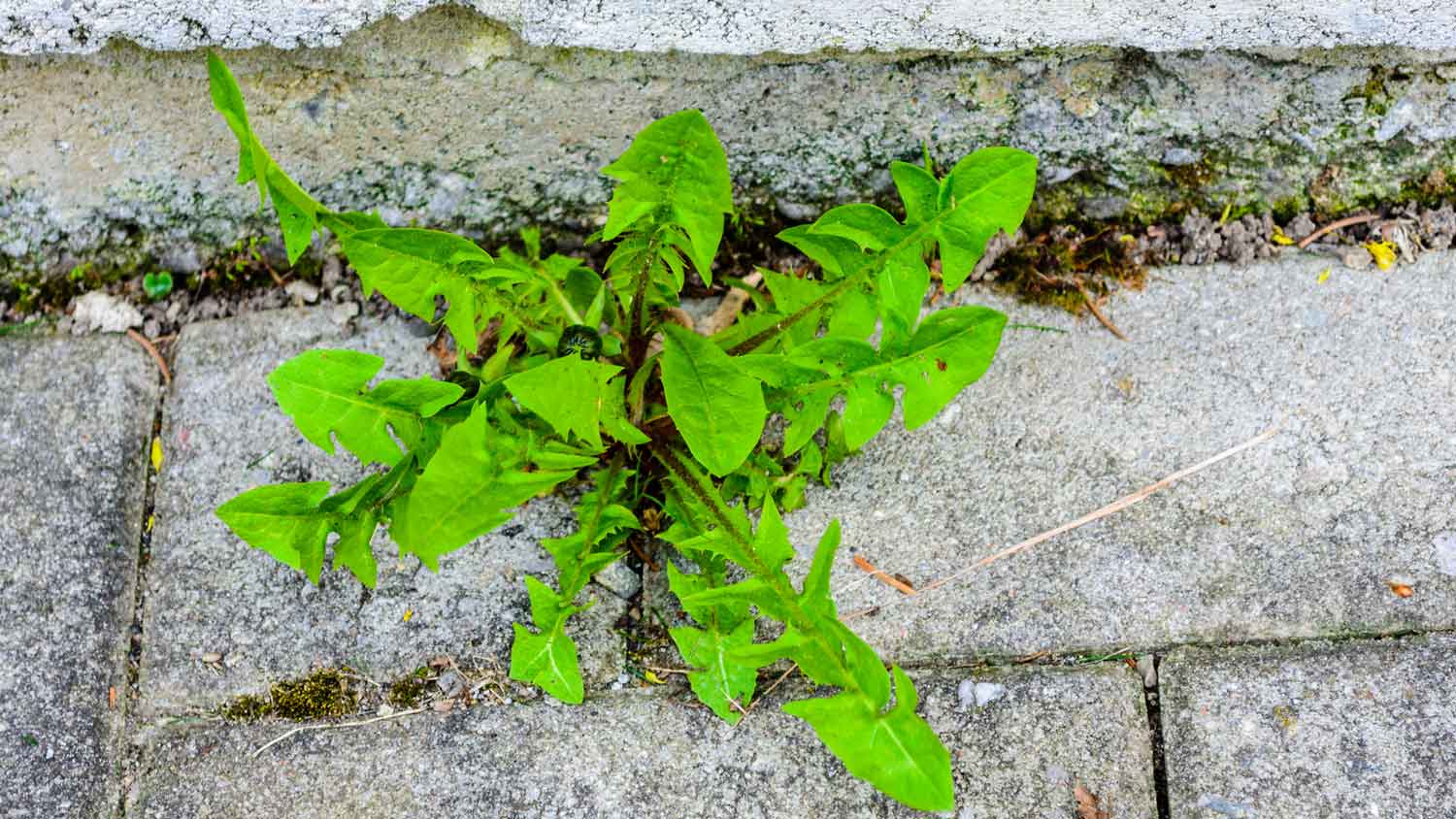
Get rid of weeds in your driveway forever with these step-by-step tips.

Curious how to kill weeds in your grass and keep them from popping up every season? Here are five weed-fighting methods to beautify your lawn.
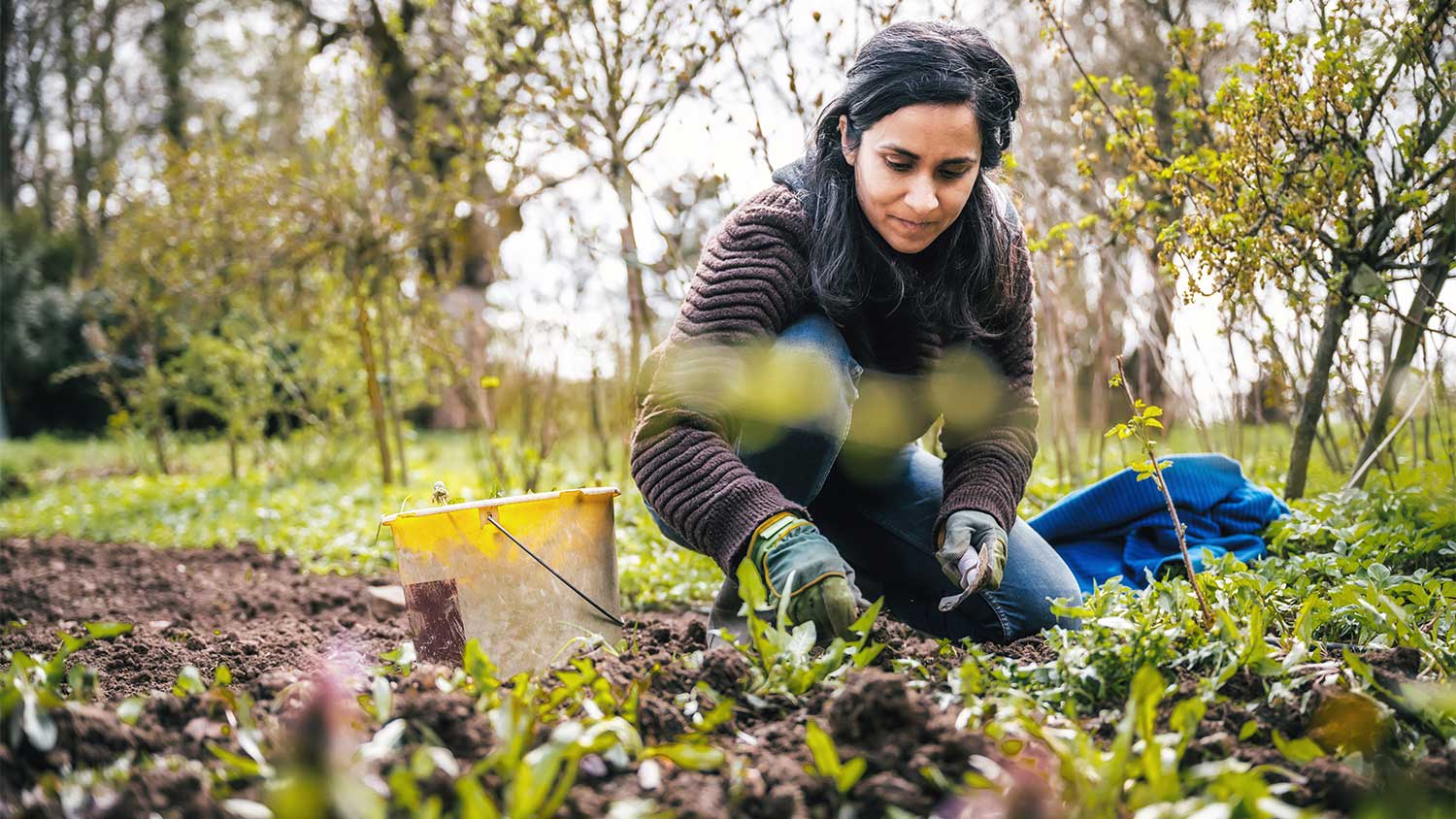
Pulling weeds by hand is an effective way to remove weeds, but you’ll want some tips and tricks up your sleeve to make regular weeding an easier chore.
Pulling weeds can help keep them from taking over your garden or yard. Learn the best time to pull weeds to keep your outdoor spaces beautiful and healthy.

If you want to know how to get rid of dandelions, you’ll be glad to know you have options. Learn the best dandelion killers so you can easily reclaim your yard from these weeds.