






Top-rated excavation pros.

Get matched with top excavation pros in Fruitland, MD

Enter your zip and get matched with up to 5 pros

Need a pro for your excavation project in Fruitland, MD?

Select your specific project to find the pro for you.

TRUSTED BY FRUITLAND, MD HOMEOWNERS

  • Average homeowner rating star icon3.5
    Average homeowner rating
  • Verified reviews icon10
    Verified excavation services reviews

Find Excavation pros in Fruitland

L. Serman Excavating
5.0(
1
)
Building Site - Preparation and Clearing - For BusinessExcavation - Major Grading or Resloping - For Business

Serving Fruitland, MD and surrounding areas

Approved

In business since 2015

Free estimates

Customers say: Quick response

"He did lots of work with fair pricing. They did a very clean job and was always on time. He finished sooner than originally estimated. I'm very satisfied and they did a great job, and I would use them again"
Response time6 days
Recommended by100%of homeowners

Avatar for A-1 Eastern Shore Waterproofing
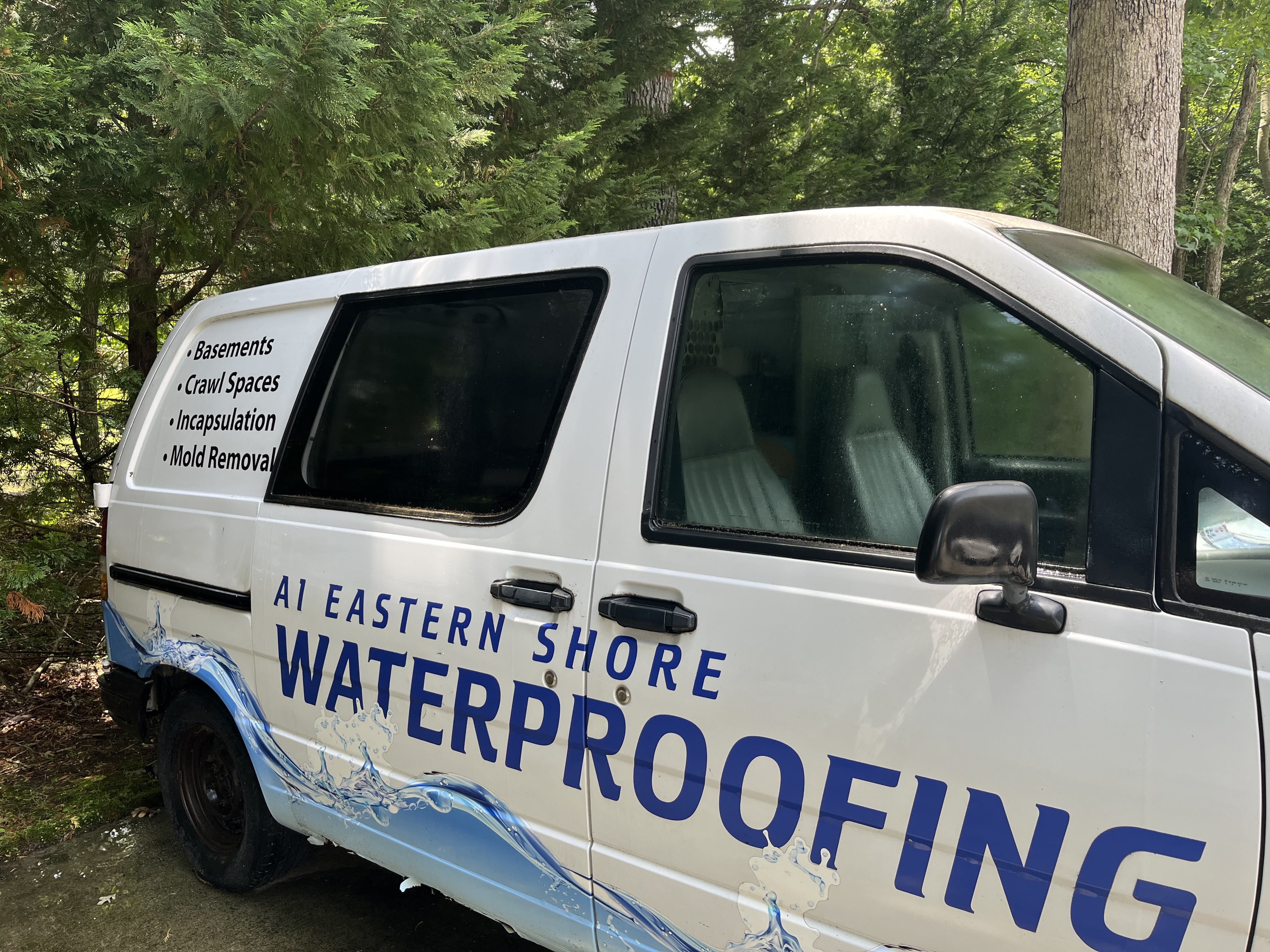
A-1 Eastern Shore Waterproofing
4.8(
6
)
Building Site - Preparation and ClearingBuilding Site - Preparation and Clearing - For BusinessExcavation - Major Grading or Resloping+2 more

Serving Fruitland, MD and surrounding areas

In business since 1996

Free estimates

Emergency services offered

"The work done is wonderful, we had this put in last year and we've had no problems at all. We had a big storm here last week and everything was fine. It took us a while to find someone we trust, but we trusted Richard Legnaioli. Richard is just a wonderful person and is very pleasant to talk to. I personally would give him an A rating."
Recommended by100%of homeowners

Showing 1-10 of 25
Excavating questions, answered by experts

You can bury underground electrical wire six inches deep—but only if you use a rigid metal electrical conduit. For rigid, non-metallic conduits, bury the wire at least 12 inches deep. If using an underground feeder cable rated for direct burial, you'll need to place it at least 18 inches deep, as it has no conduit for extra protection.

Trenches are typically 12 to 24 inches deep and 8 inches wide. However, the required depth depends on the specific project and local ordinances. For example, a French drain may need to be 18 inches deep, while a water pipe might require a depth of 24 inches and a drainage pipe 36 inches. Your city or county may have specific regulations, so it's wise to consult with an excavation professional to determine the correct depth for your project.

To locate an underground downspout, you should start by identifying where the above ground gutter drains. Look for an entry point, such as a pipe or elbow leading into the ground. Follow the surface path for signs like depressions, landscaping disruptions, or wet areas after rain. You can use a metal detector or plumber’s snake to trace the pipe underground. For deeper pipes, a professional locator tool or camera inspection may be necessary. Visual markers or utility maps can also guide the search.

Some two-in-one tools and machines do both jobs, and those could be the right solution for smaller residential projects. However, the phrase “use the right tool for the job” definitely applies to digging. For the best results, get two separate tools for your trenching and landscape edging projects or call a pro to take care of everything for you.

You can dig 60 to 80 linear feet by hand per day depending on the depth. Digging a 100-foot trench by hand will take you two work days, but it can take longer if you have heavy or rocky soil. If you’re digging a deep trench or one that’s over 100 feet, consider renting a mechanical trencher, such as a walk-behind or ride-on, or calling a pro for help. 

The Fruitland, MD homeowners’ guide to excavation services

From average costs to expert advice, get all the answers you need to get your job done.