

Top-rated excavation pros.

Get matched with top excavation pros in Whaleyville, MD

Enter your zip and get matched with up to 5 pros

Need a pro for your excavation project in Whaleyville, MD?

Select your specific project to find the pro for you.

TRUSTED BY WHALEYVILLE, MD HOMEOWNERS

  • Average homeowner rating star icon4.6
    Average homeowner rating
  • Verified reviews icon18
    Verified excavation services reviews

Find Excavation pros in Whaleyville

L. Serman Excavating
5.0(
1
)
Building Site - Preparation and Clearing - For BusinessExcavation - Major Grading or Resloping - For Business

Serving Whaleyville, MD and surrounding areas

Approved

In business since 2015

Free estimates

Customers say: Quick response

"He did lots of work with fair pricing. They did a very clean job and was always on time. He finished sooner than originally estimated. I'm very satisfied and they did a great job, and I would use them again"
Response time6 days
Recommended by100%of homeowners

Avatar for Stable Works LLC
Stable Works LLC
4.8(
10
)
Excavation - Major Grading or Resloping - For Business

Serving Whaleyville, MD and surrounding areas

In business since 2022

Free estimates

Credit card accepted

"Great experience beginning to end. We had 3 contractors come out for quotes and Stable Works was a one stop shop that met all our needs (removal of old chain link fence, bushes, trees, and trumpet vines cleared, plus the install of a new vinyl fence) while the other companies would not do the removal and ground prep and not even entertain subcontracting the work out. John provided the quote and gave his recommendations. We had to get the permits (which Iâ ve never had to do with other contractors weâ ve hired), but he was upfront about that and it was a good learning experience for me. Once the permits were squared away, they started early on Monday and by the end of the day Wednesday were complete! Mike and Jonathan were the workers and did a fantastic job. They were quick to get started each morning, hard working, and answered any questions we had. I would recommend Stable Works for all your outdoor needs. They truly are a one stop shop and I look forward to getting them in for the next project."
Full Kitchen Remodel

+8

Response time6 days
Recommended by77%of homeowners
Avatar for DiMat-Rock Finishing
DiMat-Rock Finishing
4.0(
4
)
Building Site - Preparation and Clearing - For Business

Serving Whaleyville, MD and surrounding areas

In business since 2020

Free estimates

Credit card accepted

"Larry and his son did an excellent job repairing two holes I had in my drywall. The end result was a flawless job. He even patched up some drywall issues I had in a bathroom I had free of charge. I can't recommend this company enough. Thanks, Larry"
Response time1 day
Recommended by100%of homeowners

Showing 1-10 of 26
Excavating questions, answered by experts

A trench that is less than 5 feet deep often doesn't require a protective system. Most residential trenches will not go this deep (the typical residential drainage trench is just 18 inches deep). In the event that an excavator needs to dig more than 5 feet beneath the surface, a protective system is required unless the excavation is in entirely stable rock.

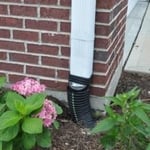
To locate an underground downspout, you should start by identifying where the above ground gutter drains. Look for an entry point, such as a pipe or elbow leading into the ground. Follow the surface path for signs like depressions, landscaping disruptions, or wet areas after rain. You can use a metal detector or plumber’s snake to trace the pipe underground. For deeper pipes, a professional locator tool or camera inspection may be necessary. Visual markers or utility maps can also guide the search.
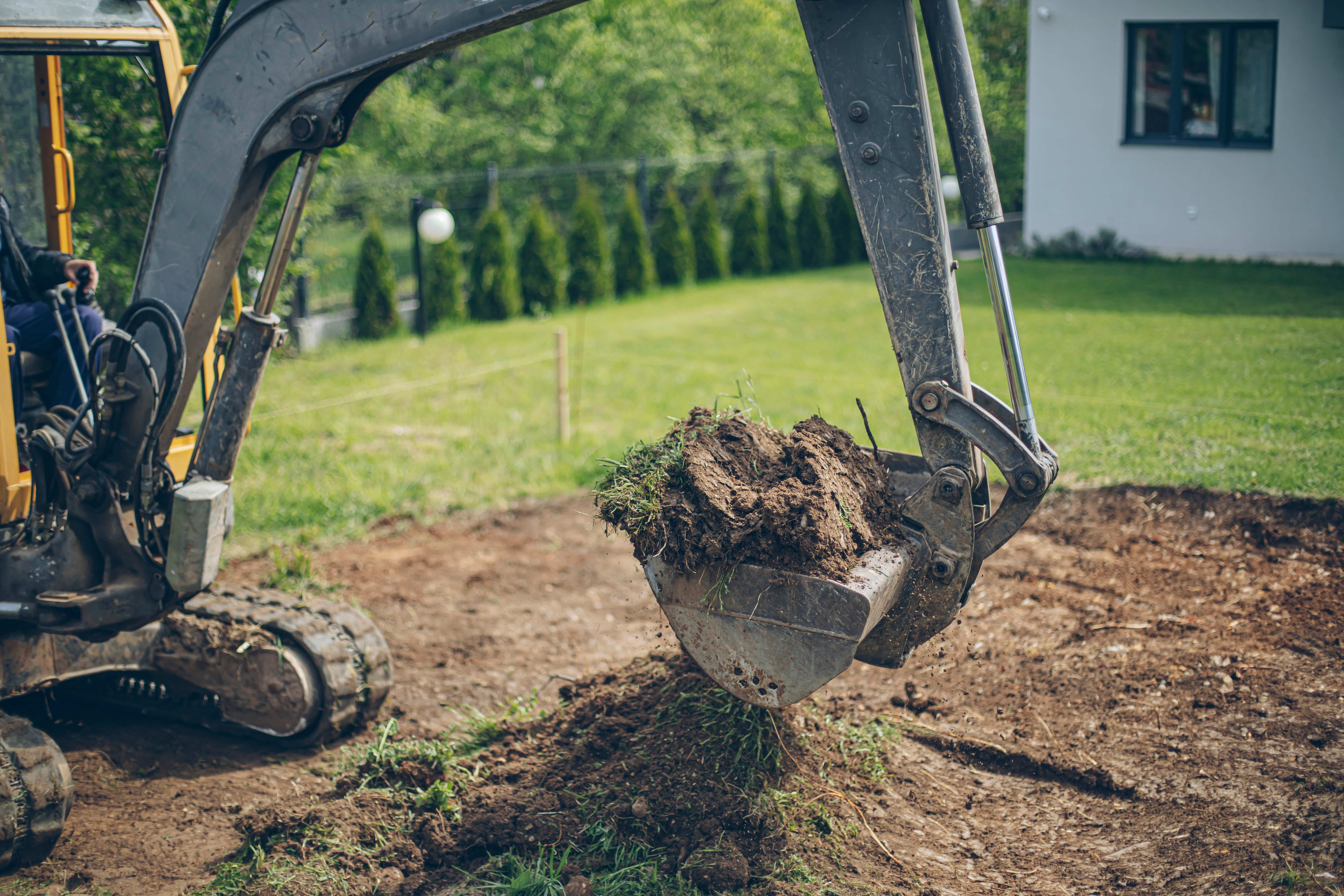
The best way to protect tree roots is to avoid the roots entirely by excavating outside the root radius of the tree. For nearby projects, it’s a good idea to construct a temporary retaining wall. But that’s not always possible, depending on the project and the root system. In these cases, consider using alternative equipment like an auger to tunnel under the ground.

Remember, tree roots can damage nearby cement foundations as they grow. If a tree is close enough to interfere with large excavations, it may be better to remove the tree than risk future problems.

In the United States, a depth of 36 inches (three feet) for underground water lines is the accepted industry standard. This depth varies from location to location based on local conditions. In areas with colder winters, they may be buried deeper to prevent frozen well water pipes : This is usually at least six inches below the frost level. The International Plumbing Code calls for a minimum of 12 inches below grade.

As a general rule, the protected area should be about 1½ times as wide as the canopy of the tree’s leaves. This digging measurement can vary by tree species and the age of the tree. Of course, that can be a lot of fencing for larger trees, which is why our first step is about making difficult decisions on which trees to save.

The Whaleyville, MD homeowners’ guide to excavation services

From average costs to expert advice, get all the answers you need to get your job done.