




Top-rated excavation pros.

Get matched with top excavation pros in Newark, MD

Enter your zip and get matched with up to 5 pros

Need a pro for your excavation project in Newark, MD?

Select your specific project to find the pro for you.

Find Excavation pros in Newark

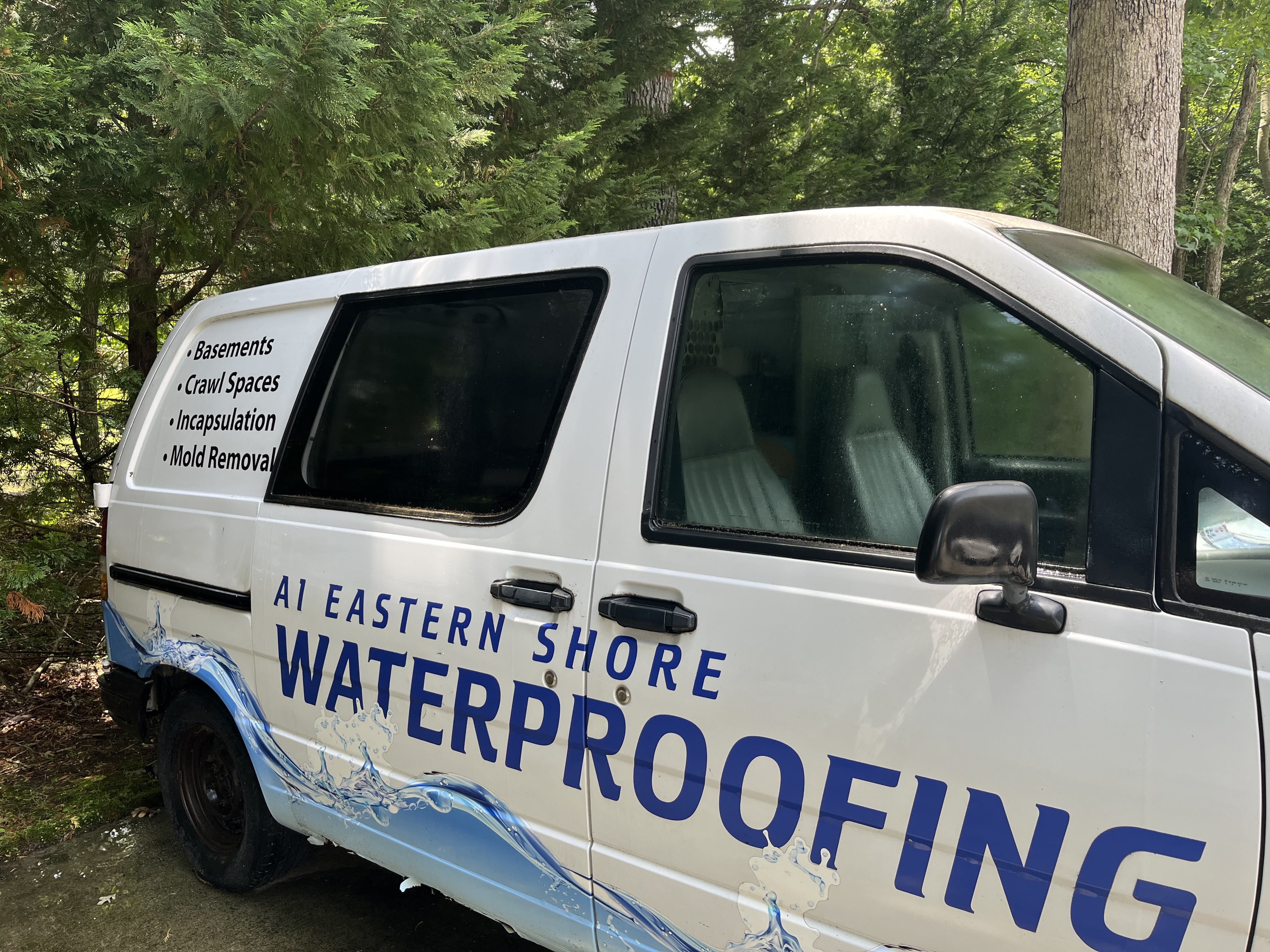
Avatar for A-1 Eastern Shore Waterproofing
A-1 Eastern Shore Waterproofing
4.8(
6
)

Serving Newark, MD and surrounding areas

In business since 1996

Free estimates

Emergency services offered

"They had to dig out a whole wall out of my basement to stop the leaking. They cleaned the basement wall and they resealed it with the latest technology. They were very friendly and cooperative. They worked hard, and came when they said they would. Everything you would hope a contractor would do that did."
Recommended by100%of homeowners
Avatar for Stewart Boys
Stewart Boys
5.0(
3
)

Serving Newark, MD and surrounding areas

In business since 2020

Free estimates

Emergency services offered

"The crew came one day after my call. They removed a small tree from my front lawn, grinded the stump, removed the limbs and debris. You wouldn't know the tree was ever there. Excellent job."
Handymen Project
Handymen Project
Handymen Project
Additional Photos
Additional Photos

+16

Recommended by100%of homeowners
Avatar for J&R Property LLC
J&R Property LLC
5.0(
3
)

Serving Newark, MD and surrounding areas

In business since 2010

Free estimates

Credit card accepted

"This is an outstanding company to complete your needs. I found them through a family member and was very pleased with the services received. Give J & R Property a call, you won't be disappointed."
Photos
1 neighbors recently requested a quote
Showing 1-10 of 24
Excavating questions, answered by experts

Most residential basements are 8 to 10 feet deep. You can dig deeper depending on building codes, but it does become more difficult. You’ll likely need to install stronger foundation walls and additional supports to handle the increased load. Depending on the water table, you may also need a water management system. Clay soil can support a deeper foundation than sandy soil. A structural engineer will be able to tell you the maximum, feasible depth.

Septic drain lines (or leach lines) are typically buried between 18 and 36 inches underground, and should be at least 6 inches below the surface. These pipes are perforated and surrounded by filtering materials like sand or gravel. Burying the lines at this depth helps minimize odors and allows bacteria and other biological processes in the soil to effectively treat the wastewater. Burying lines too close to the surface can cause issues unless the soil is very compact and stable.

Landscape edging is more DIYable than trenching. You can DIY your own digging projects, but proceed carefully and only with proper knowledge of the equipment and appropriate safety measures in place. Keep in mind the project's scope and estimate how long it will take you to do it on your own. While you can certainly save money by DIYing home improvement projects, you can’t exactly hide an unfinished—or worse, ruined— landscaping job from the neighbors. It’s always safer to call an excavation pro near you to get an estimate.

Excavation is priced in cubic yards, so you’ll need to find the volume of the area in order to calculate costs. Multiply the length, width, and proposed depth of your excavation site, then convert it into yards to get the volume. Multiply this figure by the price per cubic yard.

Most homeowners can measure by hand to get a rough estimate, even if it’s tedious. You may want to pull out a tape measure or use a string to help mark the area.

Yes, professional installations include trenching or borehole drilling required for ground loops.

The Newark, MD homeowners’ guide to excavation services

From average costs to expert advice, get all the answers you need to get your job done.