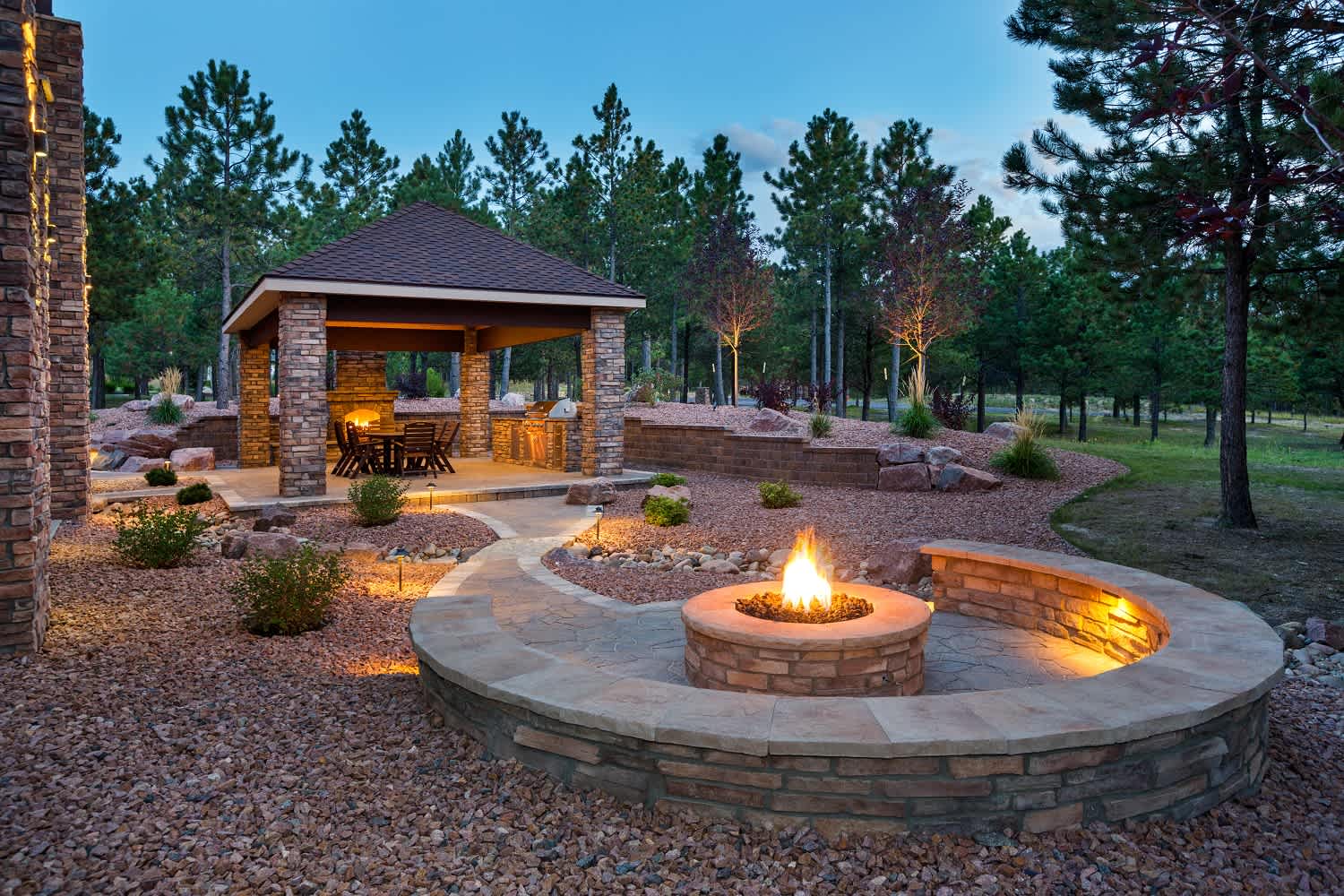





Top-rated fire pit installation pros.

Get matched with top fire pit installation pros in Ferndale, MD

Enter your zip and get matched with up to 5 pros

Need a pro for your fire pit installation project in Ferndale, MD?

Select your specific project to find the pro for you.

TRUSTED BY FERNDALE, MD HOMEOWNERS

  • Average homeowner rating star icon4.4
    Average homeowner rating
  • Verified reviews icon619
    Verified fire pit installation services reviews

Find Fire pit installation pros in Ferndale

No results for Fire pit installation pro in

Try adjusting your search criteria.
Fire Pit Installation questions, answered by experts

The National Fire Protection Association (NFPA) says you can place smoke detectors on either the ceiling or the wall, depending on the setup of your room. Since smoke rises, the ceiling makes sense, but if you go with a wall mounting, the alarm should be installed high up—no less than 12 inches from the ceiling. 

Yes, a chimney damper is necessary. It controls airflow in and out of your fireplace, helping to retain heat when closed and allowing smoke to escape when open. Without a damper, your home could lose warmth during cold months, leading to higher energy bills. It also helps prevent downdrafts and keeps animals or debris from entering the chimney. In short, it’s essential for efficiency and safety.

You should only use water to put out a fire in your fireplace in an emergency situation. Even then, it is better to use a fire extinguisher to put out a fire quickly. Make sure every room in your house that has a fireplace also has a fire extinguisher—and that everyone in your household knows how to use one.

When a carbon monoxide alarm goes off, you should always take it seriously. Infrequent and occasional chirps often point to a low battery, a faulty device, or dust buildup (this usually affects smoke detectors and not standalone CO detectors). A continuous alarm signals an emergency, and you should immediately evacuate and call 911. When it comes to carbon monoxide in your home, it’s better safe than sorry.

Yes, you should seal and cap an unused chimney to protect it from damage. Sealing the structure helps prevent moisture damage, which can lead to issues like cracks, spalling, efflorescence, and damaged mortar joints. Capping the chimney is also crucial to prevent blockages, damage from invasive critters, and downdrafts, while still allowing for proper air ventilation to manage moisture. For the best results, consult a chimney professional to select the right type of chimney or flue cap for your home. It's also wise to continue with annual chimney inspections to maintain the structure's integrity.

The Ferndale, MD homeowners’ guide to fire pit installation services

From average costs to expert advice, get all the answers you need to get your job done.