

Bioethanol fireplaces are a chimney- and vent-free way to enjoy a real-flame fire in your home. Keep reading to find out how much ethanol fireplaces cost.
Fireplace service costs depend on your project and location. Check with a local pro for your specific job.

Outdoor fireplace installation costs between $800 and $21,000, averaging around $3,000 for your backyard project.
Your material choice and fireplace size determine the final total, with custom stonework costing more than brick or cinder blocks.
You should budget for site preparation ranging from $500 to $2,000 and building permits between $50 and $500 for your installation.
Hiring a local fireplace installation professional prevents fire hazards and ensures your outdoor fireplace is built safely and correctly.
The cost to build an outdoor fireplace runs as little as $800 or as much as $21,000, averaging around $3,000. Using expensive materials like stone or building large fireplaces will increase the price significantly. Explore all the outdoor fireplace costs so you can build the perfect setup and enjoy some cozy backyard crackling in no time.

The most common outdoor fireplace materials are brick and stacked stone. These are easily sourced and many workers have expertise with them, which drives down labor costs. However, larger or more ornate projects often include custom stonework. While you can build an outdoor fireplace from cinder blocks, it isn’t very common (unless the blocks are hidden behind a brick or stone facade).
| Material | Average Cost |
|---|---|
| Brick | $2,200–$3,600 |
| Cinder blocks | $800–$2,000 |
| Stacked stone | $1,800–$3,800 |
| Custom stonework | $2,800–$5,000 |
While the vast majority of outdoor fireplaces are wood-burning, there are options to consider—especially if you live somewhere with a high wildfire risk. Wood-burning fireplaces are the only type that throws off embers, so they carry a much higher fire risk than other types, such as propane and electric. While cost is an important factor, make sure to discuss with your city which you can install based on local codes, and if a permit is required.
| Fuel Type | Average Cost |
|---|---|
| Wood | $2,000–$3,200 |
| Natural gas | $1,800–$3,500 |
| Propane | $1,500–$2,800 |
| Electric | $1,200–$2,500 |
You’ll need to hire a few types of pros for your project depending on what you’re actually envisioning. Landscapers tend to charge the most, but starting prices for electricians are the highest of the three most common pros needed. If you want an electric fireplace or one with decorative lighting, you’ll have to pay for an electrician, too.
| Type of Pro | Cost per Hour |
|---|---|
| Landscaper | $50–$150 |
| Mason | $70–$100 |
| Electrician | $50–$130 |
You should factor in additional costs such as prep work, demolition, and permits.
The cost to clear an area for an outdoor fireplace ranges from $500 to $2,000 on average, depending on the size and terrain. Landscapers are experts in getting a site ready, which may require moving significant amounts of land or laying foundations (depending on the proposed fireplace design). For simpler projects, you may only need to lay down some stone and level it—which is a manageable DIY project.
Every municipality has different laws regarding fireplaces. For example, it would be a lot easier to build one in Alaska near a river than it would be to build one in an area of wildfire risk in California. Permit costs for outdoor fireplaces run between $50 and $500, depending on your city. Remember that in some areas of the country, you may not be able to build one due to fire bans.
You should always leave fireplace installation, whether indoors or outdoors, to a fireplace pro near you. The biggest reason is safety. Even minor mistakes can increase fire risk, and with outdoor fireplaces, you risk a fire that destroys your yard, home, or even your neighbors’ property.
Plus, expert installation ensures a durable, long-lasting fireplace that can withstand the elements. The potential cost savings of DIYing pale in comparison to what you would spend on repairs or rebuilding.
The safest option for installing an outdoor fireplace is to hire a pro. Here are the many benefits to letting the pros handle this project:
Improper installation poses very real fire risks, but pros know how to avoid these issues.
Pros know how to safely install a fireplace to prevent fuel leaks.
Fireplace installation must comply with local building codes, and pros can ensure your project meets all safety regulations.
Experts can do the job more quickly and efficiently than a DIYer.
Pros can help you find the type of fireplace and fuel that works best for your needs, budget, and local climate.
DIYing could void material warranties or invalidate home insurance policy coverage if a fire breaks out due to the fireplace.
The cost of making mistakes could far outweigh the cost savings of DIYing.
Expert installation ensures your fireplace is highly durable against the elements, meaning it will last longer than one built by yourself.
Although we don’t recommend building an outdoor fireplace yourself, here are some tasks you can check off related to this project:
Build out a fire pit as a fireplace alternative if professional installation is not within your budget.
Clear the area of furniture, plants, and other objects or debris where the fireplace will be installed.
Assist with simple landscaping after installation (but keep plants clear of the fireplace).
Keep up with regular fireplace maintenance, such as cleaning out the ashes.
The biggest savings you can influence when building an outdoor fireplace will be material costs. Other than paring down the size of your fireplace, consider some of the cost-saving measures below:
Source local materials to bring down transport or shipping costs.
Hire professionals during their off-season or in a schedule gap.
Consider using prefabricated kits.
Avoid excess features like seating, electricity, or timers.
Choose simple designs.
Try to use recycled materials if available.
Discuss fireplace options that suit your local climate and fit within your budget.
Share measurements of your outdoor space, including specific measurements of where you’d like the fireplace to be located, for the most accurate quote.
If your budget allows, ask about add-on features, such as custom designs, timers for electric fireplaces, chimney caps, and more.
Ask about the project timeline, including how long the permit process and build will take, and when you can fire up your new fireplace.
Home is the most important place on earth, which is why Angi has helped more than 150 million homeowners transform their houses into homes they adore. To help homeowners with their next project, Angi provides readers with the most accurate cost data and upholds strict editorial standards. We extensively research project costs to develop the pricing data you see, so you can make the best decisions for you and your home. We rely on reputable sources, including the U.S. Bureau of Labor Statistics, academic journals, market studies, and interviews with industry experts—all to ensure our prices reflect real-world projects.
Want to help us improve our cost data? Send us a recent project quote to [email protected]. Quotes and personal information will not be shared publicly.
Terrible experience. Walls/trim/floors/cabinets/doors all have drip marks, overspray, etc. Tiling at the fireplace had to be redone by another vendor due to incorrect and shoddy install by Profect. Contractor had his children in our house while he was on site without prior authorization or...
 Profect painting & exteriors
Supreme Brick & Chimney did a great job with a cleaning and inspection of the fireplace! He was efficient, on time, and very pleasant. The space was kept very clean, and the fireplace was spotless when he was done. He also performed a thorough inspection, and did a great job talking us...
 Supreme brick & chimney
Ace Fireplace Services came to the rescue for my chimney repair. They were quick to pinpoint the issue and worked their magic to fix it. My chimney is now in excellent shape, and I'm a satisfied customer.
 Ace Fireplace Services
Custom Paint Jobs LLCs custom murals brought life to our childrens rooms. They love it!
 Custom Paint Jobs, LLC
Storms Mobile Welding was great to work with. They were prompt, professional and did an overall excellent job on the project. I highly recommend.
On time, clean and finished fast. Windows seem sturdy and the finish is good. Caulking was done with no smudges. Would recommend.
 Window Depot USA of Central Ohio
The team is awesome!! I can generally pick up and clean throughout the week, but they CLEAN! Windows, stair rails, microwave. All the things I can’t ever seem to get to regularly. The house looks and smells great after they leave.
Bought a half a cord of firewood from Pitzer with stacking last month. I waited to report so I could see how the wood burned. <br /> <br /> I have three pet peeves regarding landscapers, but Pitzer scored "A"s regarding all three. First, rather than having customers "leave a message" and...
 Pitzer Landscaping
We decided to update our partially finished basement, with a budget. Gerald worked with me on the lighting and chair rail selections, and produced an end product that was everything we wanted and within our budget. The work was done quickly, and he and his crew were always prompt and...
Outstanding! The granite and the installation went so well that we had the remaining slabs of the granite put into our new house. The 2ND kitchen/wet bar installation went as well as the 1ST, so we had them put granite on our master bath counter top, shower seat, ledge and kick plate for...
 LIND STONEWORKS
From average costs to expert advice, get all the answers you need to get your job done.
Bioethanol fireplaces are a chimney- and vent-free way to enjoy a real-flame fire in your home. Keep reading to find out how much ethanol fireplaces cost.
A fireplace remodel cost depends on the extent of the remodel and the materials you choose. Use this guide to calculate your costs and budget accordingly.
The up-front cost of an electric fireplace is lower than a gas or wood-burning fireplace. This guide will help you understand what you're paying for.
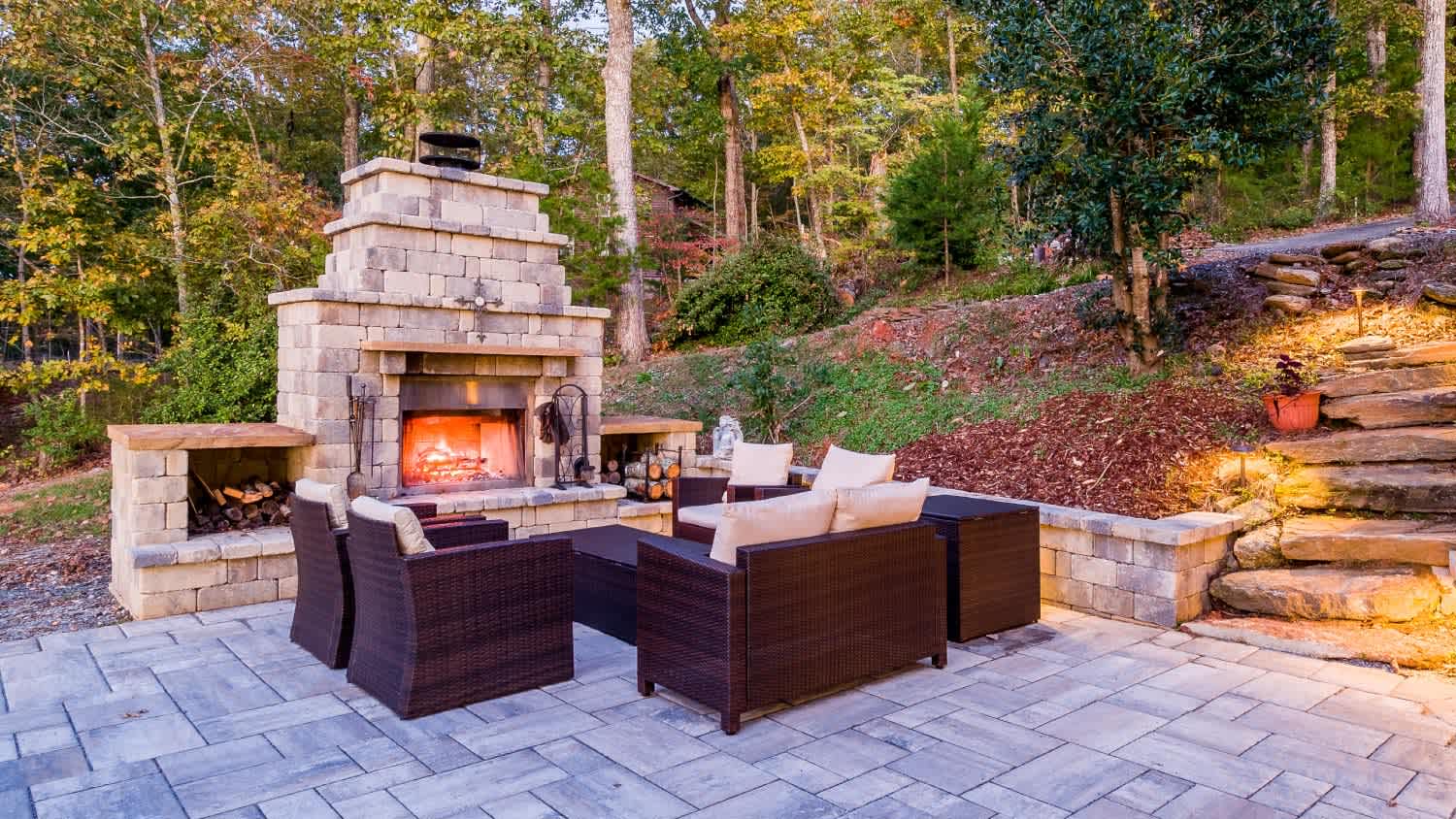
If you don’t want to buy an outdoor fireplace kit or get a pro to install it, you may be able to do it yourself. Learn how to build a DIY outdoor fireplace.
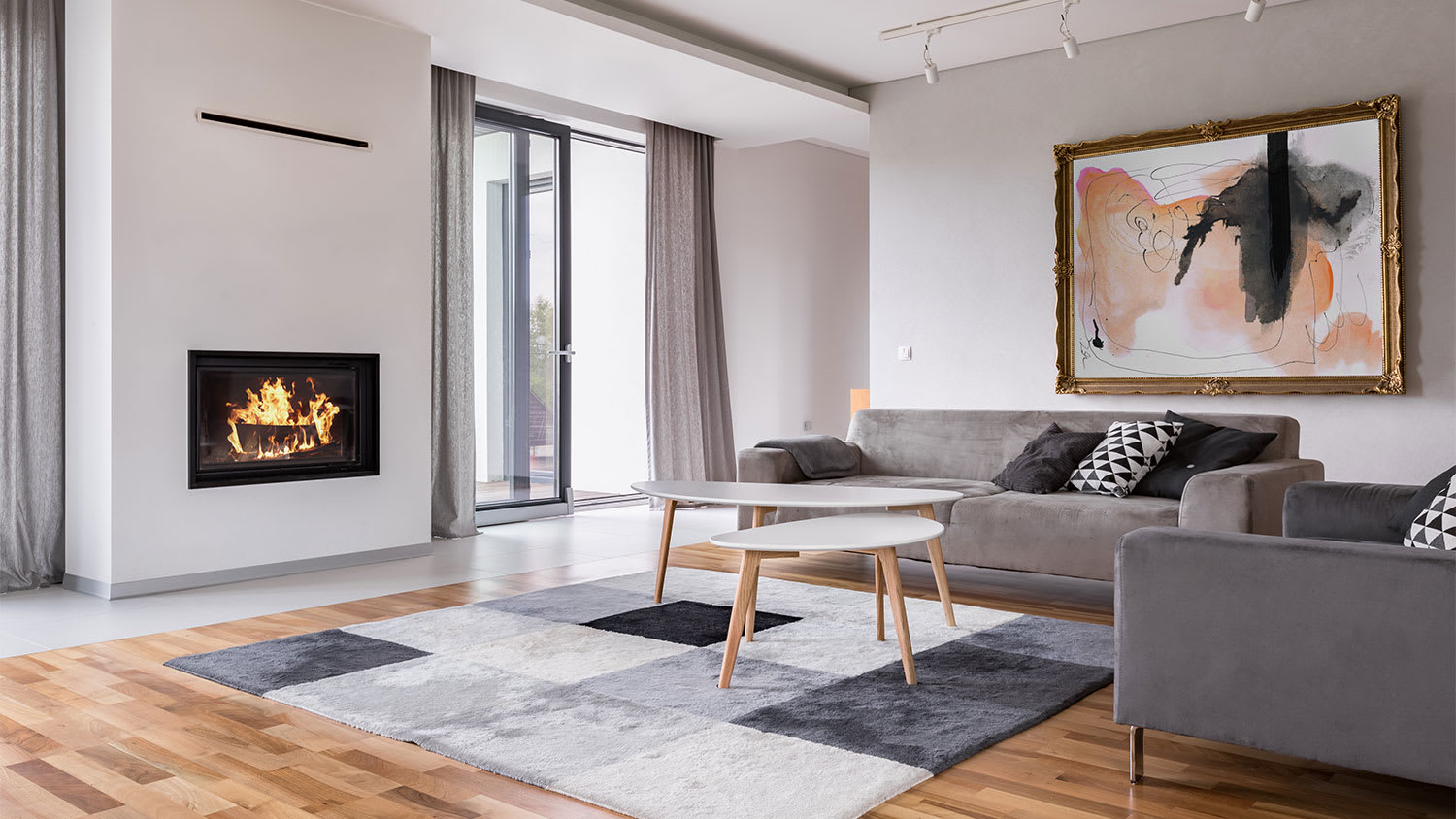
Does a fireplace add value to a home? Find out if fireplaces will make your home more desirable on the market, and if they’re a good investment for homeowners.
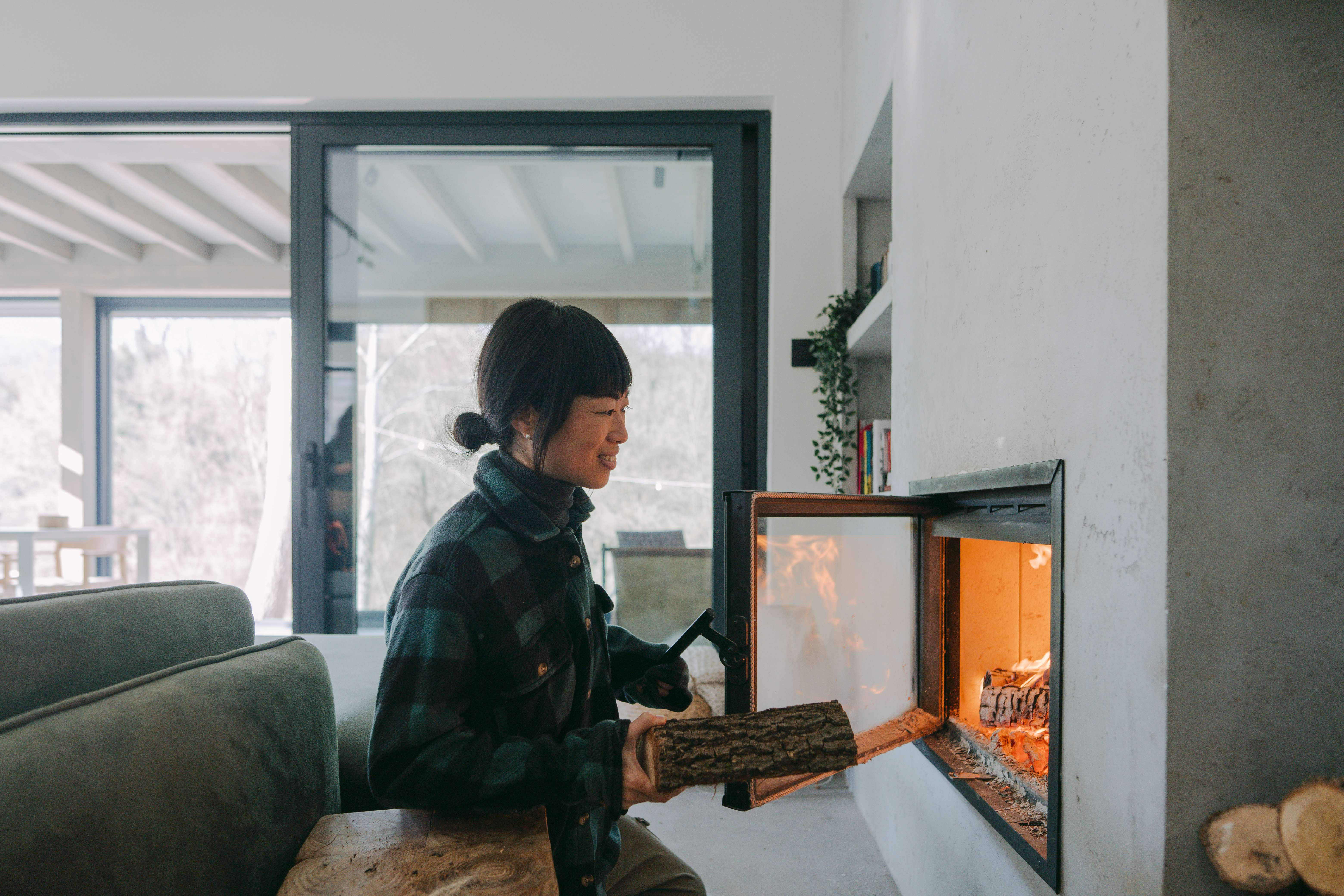
Learn how to hire a fireplace installer, including the proper certifications to look for and what questions to ask when getting quotes.