





Top-rated aquarium service pros.

Get matched with top aquarium service pros in Springfield, MA

Enter your zip and get matched with up to 5 pros

Need a pro for your aquarium service project in Springfield, MA?

Select your specific project to find the pro for you.

TRUSTED BY SPRINGFIELD, MA HOMEOWNERS

  • Average homeowner rating star icon4.4
    Average homeowner rating
  • Verified reviews icon264
    Verified aquarium services reviews

Find Aquarium service pros in Springfield

M.C. Growers
0.0(
3
)
Water Feature - Install a Pond

Serving Springfield, MA and surrounding areas

In business since 2000

Free estimates

Credit card accepted

Welcome to M.C. Growers! We have been serving the Westfield area over a decade. We will handle all your residential and commercial landscaping needs. From installing stone steps to your residence to removing snow from your business parking lot. We do it all! Please call us today to schedule your professional consultation.

Walkway
 Hydroseeding and irrigation
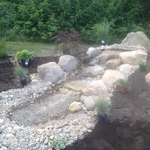
 Pondless Waterfall
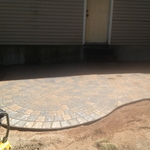
 Techo-Bloc Patio
Recommended by100%of homeowners
ZK Construction
New to Angi
Water Feature - Install a Pond

Serving Springfield, MA and surrounding areas

In business since 2017

Free estimates

Offers commercial services

As experts in residential excavation, we will exceed your expectations. Family owned with 20 years experience, we take great pride in our expertise, quality, and customer service that we provide to meet the consumer's needs. It is our mission to provide excellent workmanship and complete customer satisfaction from start to completion of a project. Our reputation is based on service, safety, and quality, regardless of how large or small the job. Look forward to hearing from you!

Response time2 hrs
Showing 1-10 of 11
Aquarium Services questions, answered by experts

Whether or not it’s hard to pass a perc test depends a lot on the composition of your soil. When a perc test is conducted where there’s a high concentration of sand in the soil, perc tests almost always pass. However, if your ground is dense clay or rock, it may prove difficult to pass a perc test. A low water table also helps you pass the test, as a high table means your yard isn’t draining water as efficiently.

Common drain issues include slow-running drains, whether in a sink or shower, clogged drains, a bad smell, and water backing up into a sink, shower, or bathtub. Causes range from hair, grease, roots, or toilet paper clogging the drainpipes to flooding outside the home, which prevents sewer lines from draining properly.

Saving money on property taxes and having direct control over your waste system are both pros when buying a house with a septic tank. However, it’s easier on the house and the yard if a home can be hooked up to a municipal system, which is why septic tanks are best for homes where that isn’t an option. Expensive repairs, potential odor issues, and regular maintenance are all cons of septic systems. 

A septic system's lifespan typically ranges from 15 to 40 years, with a common average of 20 to 30 years. The longevity heavily depends on the tank's material, maintenance diligence, and usage habits. With proper care, lifespans can reach the upper end of this range.

Lifespan by Tank Material:

  • Concrete: 20 to 40 years

  • Plastic or Fiberglass: 30 to 40 years

  • Steel: 15 to 20 years

To maximize your system's lifespan, follow these maintenance best practices:

  • Regular Pumping and Inspections: Have the tank pumped every three to five years and schedule professional inspections regularly.

  • Mindful Usage: Only flush human waste and toilet paper. Avoid putting items like cat litter, paper towels, cigarette butts, fats, grease, oils, or coffee grounds down your drains.

  • Avoid Chemicals: Do not pour harsh chemicals into the system.

  • Water Conservation: Reduce the amount of wastewater your system has to process.

  • Protect the Drain Field: Avoid driving or building heavy structures over the drain field area.

Depending on the home, wastewater either goes into a septic tank and seeps back into the backyard or is sent via sewer system to a local sewage-treatment plant. Septic systems naturally separate different components of the waste so that it can naturally and safely disperse it. They are usually reserved for homes not served by a municipal sewage department (like rural homes). A treatment plant, on the other hand, speeds up that process through screening and purification.

The Springfield, MA homeowners’ guide to aquarium services

From average costs to expert advice, get all the answers you need to get your job done.