

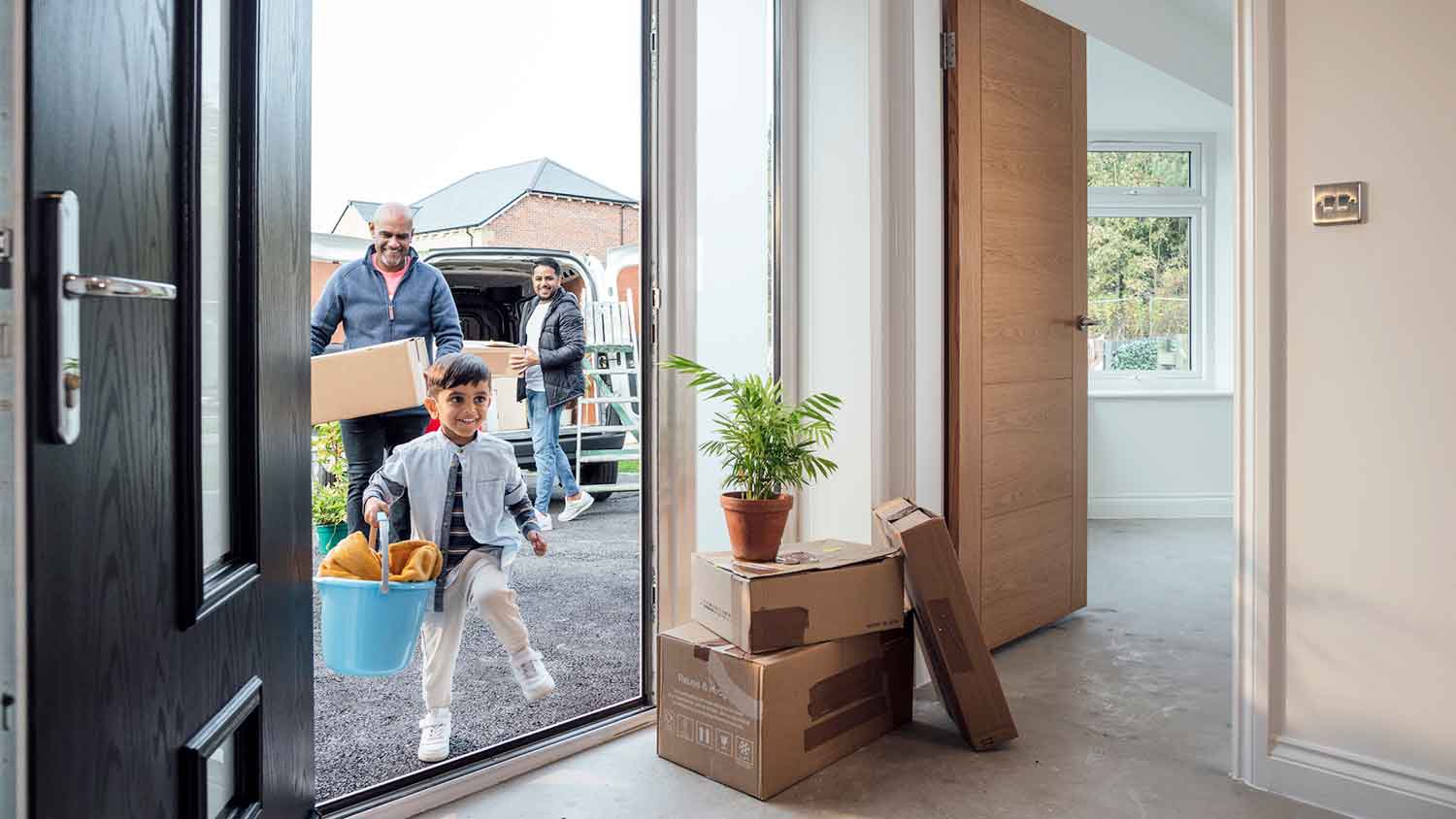
The cost to move a 4-bedroom house depends on home size, distance, and whether you hire movers. Learn the necessary costs before moving long distance.
Moving costs depend on your project and location. Check with a local pro for your specific job.

Professional long-distance moving for a 3-bedroom home costs $1,500 to $9,610, averaging $5,000 for your move.
Your home size and load weight set truck space, and stairs or tight parking raise labor time.
You should budget $200 to $500 for packing supplies, plus insurance and fees for heavy specialty items.
Hiring a local moving company gives you reliable loading and driving support, saving time, effort, and stress.
The average cost to move a 3-bedroom house long distance is $5,000, but it can range between $2,300 and $9,600, depending on distance, weight, packing, and more. So, you’ll want to set a budget and stick to it as you start planning your move. Moving a 3-bedroom home long distance is no small feat—luckily, our guide will help you navigate the various costs of a long-distance move.
When hiring movers for a long-distance move, you’ll need to consider several factors influencing your overall cost. These factors include home size, distance, weight, prep, additional services, accessibility, the time of year, and your location. Here are the cost breakdowns to move a 3-bedroom house long distance.
I had a challenging move with an oversized sofa and large art pieces. The movers arrived well-prepared with specialized equipment, including a heavy-duty dolly and protective covers for the artwork. They expertly handled every challenge, ensuring everything was transported smoothly without any damage to my property or belongings.

The size of your home, apartment, or condo will influence your total cost, especially if you utilize every room, such as basements, garages, and attics. If you have a larger home, you’ll need more movers to load and unload your belongings, increasing your overall cost.
| Home Size in Square Fee | Cost Range |
|---|---|
| 600–900 | $1,500–$3,500 |
| 900–1,200 | $5,000–$7,000 |
| 1,200–2,000 | $7,000–$10,000 |
| 2,000–2,500 | $11,000–$13,000 |
Moving companies generally consider anything from 100 to 400 miles or more a long-distance move. Due to the nature of a long-distance move, moving companies will charge a flat rate instead of an hourly rate. The flat rate will include mileage, gas, tolls, and incidentals. So the further away you move, you can expect your overall moving cost to increase.
| Distance | Cost Range |
|---|---|
| 250+ | $2,200–$4,350 |
| 1,000+ | $3,100–$6,000 |
| 2,500+ | $4,200–$8,600 |
The weight of your belongings is a significant cost factor in your long-distance move. The more belongings you have, the larger the moving truck size you’ll need. A larger, heavier truck will require more fuel, increasing your costs.
When prepping your home to move, you’ll need to budget for packing materials and supplies. You can expect to pay $200 to $500—with moving boxes costing between $2 and $5 per box and 100 square feet of bubble wrap costing $20.
Heavy and fragile items will cost extra on top of the flat-rate price for moving long distances. You can expect these additional moving fees to cost:
Piano: $100–$2,000
Pool table: $50–$4,000+
Hot tub: $200–$1,000
Small boat: $2.50 per mile
Car: $700–$1,200
Motorcycle: $200–$2,000
Aquarium: $50–$300+
Exercise equipment: $100–$300+
Riding lawn mower: $150–$400
Safe: $175–$500
Fine art and antiques: $200–$1,000
The ability of movers to safely and efficiently pack and load your belongings is vital. So, if your home is inaccessible—say, due to living on a crowded city street with limited parking, a walk-up apartment with no elevator, or if you have a steep driveway, you can expect to incur additional charges. For example, your moving company may need to shuttle your items to a larger van parked at a more accessible location.
Prime moving season is between May and September, with weekends during those months having the highest demand. Make sure to book your long-distance move well in advance—and, if you can, try to move outside of peak season (like during the winter) or during the week, and you may be able to get a lower, discounted rate.
Another cost factor is your location, with it costing much more to move a 3-bedroom house long distance from New Mexico than from Missouri. Here are the average long-distance moving costs for a 3-bedroom home:
| State | Average Long-Distance Moving Price |
|---|---|
| Alabama | $4,179 |
| California | $5,353 |
| Florida | $4,448 |
| Idaho | $9,610 |
| Kentucky | $3,802 |
| Minnesota | $5,798 |
| Missouri | $2,276 |
| New Mexico | $8,036 |
| New York | $4,733 |
| Oklahoma | $6,361 |
| South Carolina | $5,434 |
| Texas | $4,267 |
| Utah | $7,348 |
| Wisconsin | $3,761 |

When moving a 3-bedroom house long distance, there are additional fees you need to consider. These costs include:
If you purchase third-party insurance coverage, you can expect to pay between 1% and 5% of your household belongings' total value. However, many moving companies provide moving insurance and offer two types of coverage: full value and released value.
You can expect to pay 1% of the total estimated cost of your household goods for full-value protection coverage. The moving company will fully repair or replace your lost or broken items. Or they will offer money for repairing or replacing a damaged or lost item.
Released value protection is budget-friendly, and you typically won’t pay extra for this insurance. The moving company will pay no more than $0.60 per pound for broken or lost items.
It’s a nice gesture to tip your movers after a long-distance move—especially if they went above and beyond your expectations. You can either tip a flat rate per person or 10% to 20% of your total bill in gratuity.
It’s possible to rent a moving truck and handle your relocation yourself, and you stand to save thousands of dollars on labor if you DIY. However, while labor is usually the most expensive part of moving services, it’s still best to hire a local moving company to get the job done. You’ll save time and energy, as well as reduce the stress involved with moving.
There are a few important benefits you’ll enjoy when you invest in professional labor costs and hire a pro to handle your move.
Professionals have equipment and large crews that can save you time and energy throughout the process.
Experts can pack your belongings and secure them during the move to reduce the risk of damage and potential replacement costs.
Pros are less likely to cause damage to your home on either side of the move, and reputable movers will cover any damages resulting from mistakes.
Professionals offer peace of mind that your relocation will go smoothly and according to your schedule.
Driving a moving truck yourself can be stressful, as you’ll need to stick to specific routes that avoid low overpasses and bridges.
Moving a 3-bedroom house long distance is a lot of work. You can make it easier by adding a few extra service items. These items include:
Professional packing and unpacking: $1,000 average
Renting a storage container: $2,610–$3,290
Professional furniture assembly: $120–$180 per piece
Professional organizers: $250–$1,500
The best way to save money while moving a long distance is to set a budget and do as much prep work as possible. Here are ways to save money during your cross-country trek:
Get quotes from at least 3 moving companies.
Plan and book your moving company early.
Move during the off-season or during the week.
Create a moving checklist at least 8 weeks in advance and make sure you stick with it.
Keep your set moving date as movers may charge $500 or more to change your moving date.
Pack and unpack all of your household items.
Choose the proper moving insurance with the best rate.
Declutter your home and sell or donate belongings you no longer need before moving.
Make sure you explain what services you want and if you need your mover to handle packing and unpacking, too.
Discuss any add-on services you need, like vehicle transportation, furniture assembly, and more.
Make sure you’re clear on the process your pro will take if something goes wrong and your belongings or home are damaged.
Discuss the timeline for the move to avoid surprises on the day of the relocation.
Ask your pro if they include supplies in their estimate or if you need to provide them on the day of the move.
Home is the most important place on earth, which is why Angi has helped more than 150 million homeowners transform their houses into homes they adore. To help homeowners with their next project, Angi provides readers with the most accurate cost data and upholds strict editorial standards. We extensively research project costs to develop the pricing data you see, so you can make the best decisions for you and your home. We rely on reputable sources, including the U.S. Bureau of Labor Statistics, academic journals, market studies, and interviews with industry experts—all to ensure our prices reflect real-world projects.
Want to help us improve our cost data? Send us a recent project quote to [email protected]. Quotes and personal information will not be shared publicly.
I recently moved to another state and chose United Trust Van Lines after comparing several companies. Their team was punctual, professional, and extremely careful with my belongings. I was especially impressed with how they handled my home office setup and fragile items. Everything arrived on...
 United Trust Van Lines, LLC
Showed up on time and cleaned carpets well, but didn?t move furniture.
 Voda Cleaning & Restoration of Columbus
A reliable team for moves across state. My switch to a new place needed careful lifting through tight hallways. The movers checked the doorway first, then carried heavier pieces with slow, controlled movements. Their patience helped prevent damage, and I?d choose them again.
**Would rate a 0 if i could** NEVER USE THIS COMPANY!!!!! They shattered my tv console and dresser, lost a mirror, and never finished the move. The broken furniture cost me over $600 to replace. They left me with 6+ hours of personal labor moving my 1BR apartment, when I was quoted a FULL...
 All My Sons Moving & Storage
I could not have moved without the help of Jen Stover! I was in my house for nearly 20 years, so the thought of clearing it out while working full time was overwhelming. Jen takes great joy in sorting and organizing while asking the hard questions with patience and compassion. Jen is...
 Go and Stow Home Organizing
Couldn't have been a worse experience. 3 of my belongings were lost and 5 belongings were damaged. My furniture was clearly dragged across the ground. The movers couldn't move the furniture I paid extra heavy weight fees for so I had to help them move my own furniture. The manager gave me...
 US Interstate and Rail
Excellent experience for me! They helped me a lot with my move. very reasonable price. Good communication with the office manager is excellent.
 Goodview Moving and Storage
I was concerned about my possessions safety throughout the move but Bridge View Van Lines took all necessary security measures to make sure everything arrived in mint shape I am really appreciative of their effort and commitment They made my long distance move seem simple
 Bridgeview Van Lines
This moving company is the best in Columbus, Ohio! They rescued me when my movers didnâ t show up. Do not ever use Plane Movers! They never showed up for my move, claiming that I never signed the contract. They didnâ t call me to follow up, communication was awful. The people that work for...
 All My Sons Moving & Storage
Ozie and Tyquese were great and worked fast. It was a good move
 All My Sons Moving & Storage
From average costs to expert advice, get all the answers you need to get your job done.
The cost to move a 4-bedroom house depends on home size, distance, and whether you hire movers. Learn the necessary costs before moving long distance.

The cost to move a one-bedroom apartment depends on distance, weight, access, and more. Check out how much movers cost for a one-bedroom apartment.
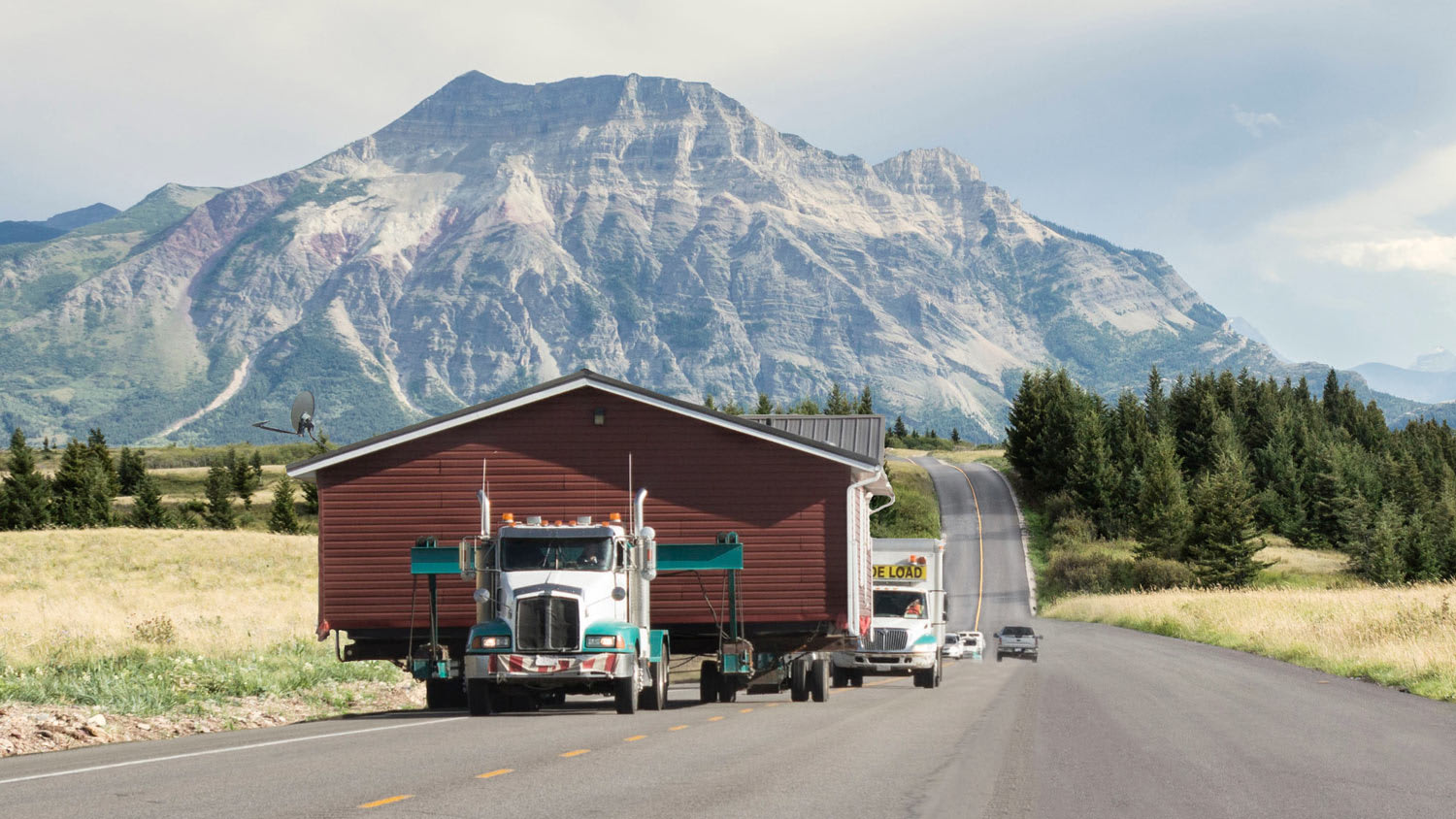
Wondering how much it costs to move your house to a new spot? Check out our helpful cost guide to learn how to budget for this major home project.

Are you looking to move your home to a different lot or a different state? Some houses can be easier to move than others. Learn how to move a house and the cost of moving an entire home, what factors in the price, and whether it’s worth it or not.

Knowing what move-in costs are and how they’re used can give you peace of mind when renting. Our guide will walk you through the expected renting fees.

Moving can be costly, but budgeting can help. Use this moving costs checklist to help prioritize moving costs.