





Top-rated fire pit installation pros.

Get matched with top fire pit installation pros in Melrose, MA

Enter your zip and get matched with up to 5 pros

Need a pro for your fire pit installation project in Melrose, MA?

Select your specific project to find the pro for you.

TRUSTED BY MELROSE, MA HOMEOWNERS

  • Average homeowner rating star icon4.5
    Average homeowner rating
  • Verified reviews icon1.5k+
    Verified fire pit installation services reviews

Find Fire pit installation pros in Melrose

No results for Fire pit installation pro in

Try adjusting your search criteria.
Fire Pit Installation questions, answered by experts

Chimneys should either be sealed or waterproofed, which is different from sealing off—closing at both ends—a chimney. Waterproofing and sealing are both crucial steps to take to prevent water damage and the chimney leaking inside the house. While waterproofing is more comprehensive, both help safeguard your chimney, extending its life span and preventing expensive repairs. 

Yes, fire extinguishers eventually expire. However, the good news is that a properly stored fire extinguisher can last a decade or longer. They don’t have an expiration date on the canister, but you can check the manufacturing date on the “UL” nameplate near the classification information. Maintenance will also give your fire extinguisher longevity. Check the gauge at the top of the extinguisher every month. You'll want to make sure the gauge needle is in the green section, and if a hose or nozzle has been used or damaged, you need to replace it.

Yes, an electrical fire can start even if nothing is plugged into an outlet. While a correctly functioning outlet poses no risk, a fire can be caused by faulty wiring, damaged outlet components, an overloaded circuit, or other electrical problems hidden behind the walls. If you suspect a fault, immediately turn off the circuit breaker and contact a professional electrician to diagnose and repair the issue.

Generally, an oil furnace is considered safer than a gas furnace for several reasons. While both types of furnaces can produce carbon monoxide, a leak in an oil furnace is easier to detect due to the smell. Oil furnaces also don't connect to a gas pipeline, which reduces the chance of a fuel leak. Most importantly, heating oil is not combustible, whereas natural gas is highly flammable. This means there is a much lower risk of combustion or explosion with an oil furnace. However, an oil furnace can still pose a fire hazard if it tips over.

When a carbon monoxide alarm goes off, you should always take it seriously. Infrequent and occasional chirps often point to a low battery, a faulty device, or dust buildup (this usually affects smoke detectors and not standalone CO detectors). A continuous alarm signals an emergency, and you should immediately evacuate and call 911. When it comes to carbon monoxide in your home, it’s better safe than sorry.
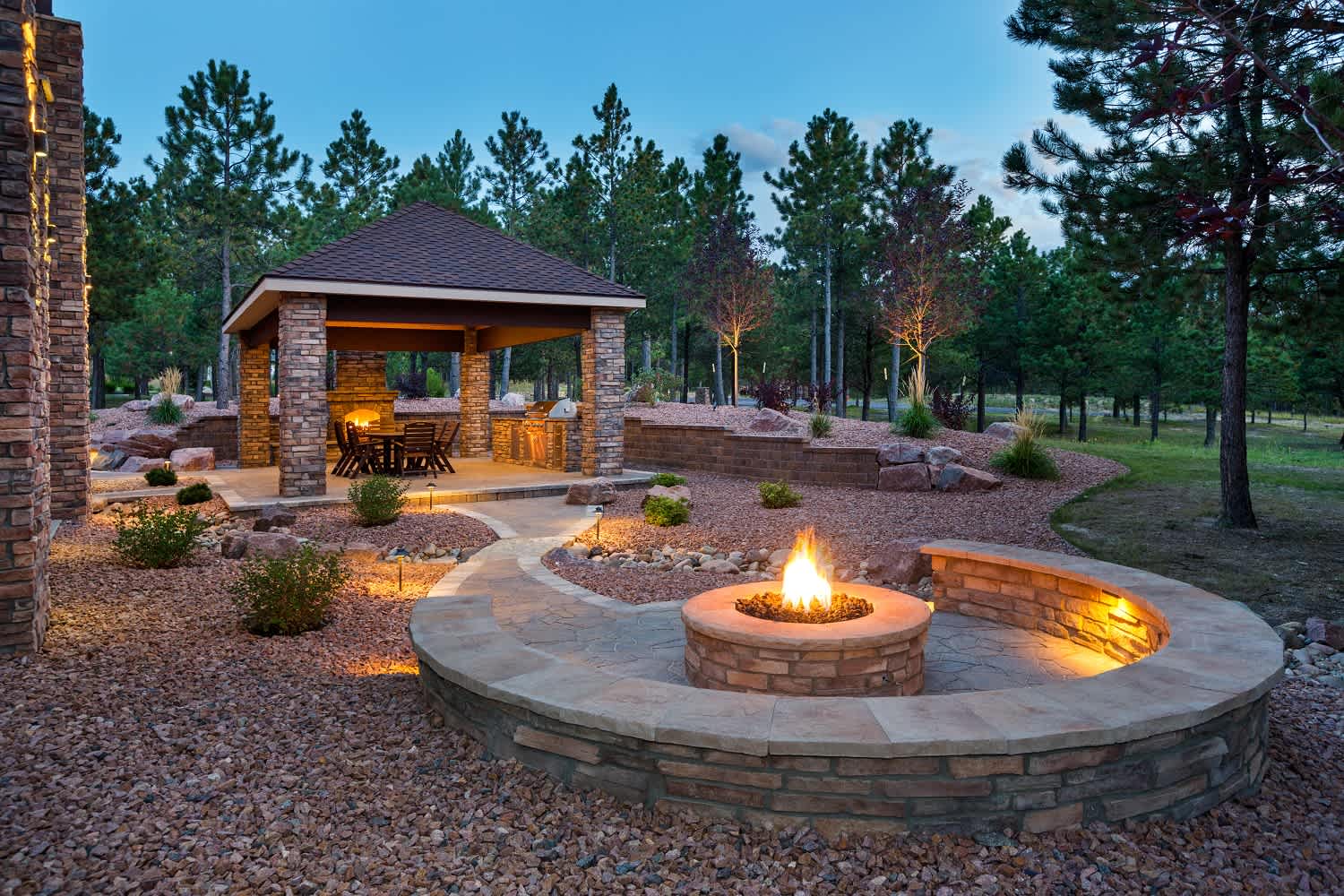

The Melrose, MA homeowners’ guide to fire pit installation services

From average costs to expert advice, get all the answers you need to get your job done.