






John James Excavating
Excavation - Major Grading or Resloping
Serving Bradford, MA and surrounding areas
Approved
In business since 1981
Free estimates
Warranties offered
"he'll get back to you."
Recommended by100%of homeowners

 4.8
 38
*The Angi rating for Excavation companies in Bradford, MA is a rating based on verified reviews from our community of homeowners who have used these pros to meet their Excavation needs.
*The HomeAdvisor rating for Excavation companies in Bradford, MA is a rating based on verified reviews from our community of homeowners who have used these pros to meet their Excavation needs.
Last update on October 06, 2026
Serving Bradford, MA and surrounding areas
Approved
In business since 1981
Free estimates
Warranties offered
"he'll get back to you."
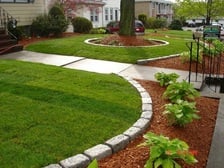
Serving Bradford, MA and surrounding areas
Approved
Super Service Award Winner
Free estimates
Emergency services offered
Customers say: True professional
"Went well. The owner operator came on time and did a great job and charged me a fair price. I would hire again in heart beat."
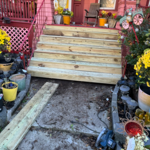
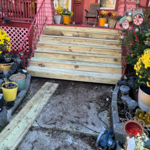
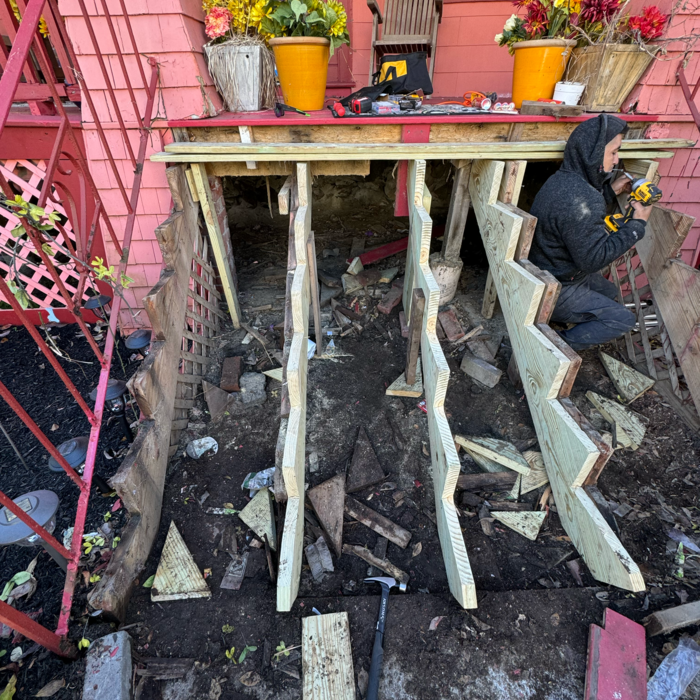
+41
Serving Bradford, MA and surrounding areas
Approved
Super Service Award Winner
In business since 2018
Free estimates
Emergency services offered
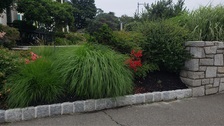
"Outstanding job done by juniors landscaping. Highly recommended"

+47
Serving Bradford, MA and surrounding areas
Approved
In business since 2017
Free estimates
Small jobs welcome
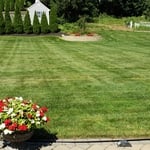
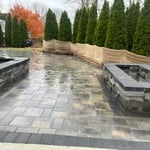
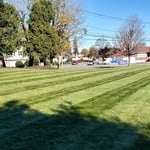
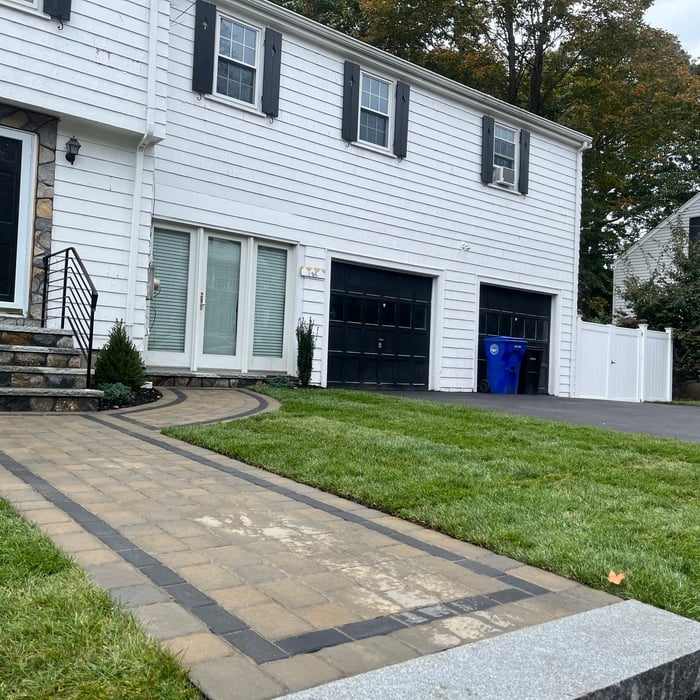
"Diego and his crew did a great job! This was a large 1,200 square foot patio area renovation that included a paver patio, pea gravel patio, grass (sod), cobblestones and a new privacy fence. I then hired him to mulch the property (20 yards). He came when he said he would, cleaned up and got the whole project done in a little over a week. Highly recommend!!"

+8
Serving Bradford, MA and surrounding areas
Approved
In business since 2022
Free estimates
Customers say: Quick response
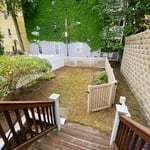
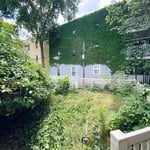
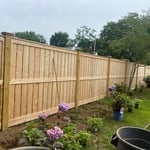
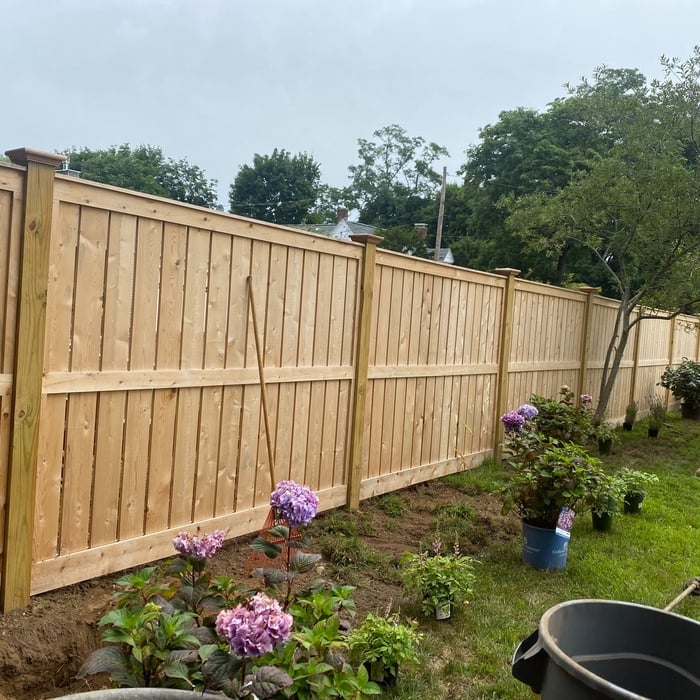
"Back yard was a big mess Javi and he?s team show up to get it done we are so satisfied with the results I would highly recommend them can?t complain about the price every dollar was worth"

+14
Serving Bradford, MA and surrounding areas
Approved
In business since 1999
Free estimates
Emergency services offered
"Reliable and performed as promised"
Serving Bradford, MA and surrounding areas
Approved
In business since 2022
Free estimates
Small jobs welcome
"I posted on Angi and Matt responded immediately and was friendly and professional. He made an access entry from the original basement wall into my addition. There was little to no cleanup for me after! Job well done to Matt and Dickie. I highly recommend Smithtown Landworks."
Serving Bradford, MA and surrounding areas
Approved
In business since 2025
Free estimates
Emergency services offered
"Amazing work removing hot tub they were right on time removed hot tub and cleaned up will recommend and use again !"
Serving Bradford, MA and surrounding areas
Approved
In business since 2021
Free estimates
Credit card accepted
"He did a great job although I don't know why I keep getting messages he was here more than a month ago. I already gave him a rating"
Serving Bradford, MA and surrounding areas
Approved
In business since 1999
Free estimates
Customers say: Quality work
"Rudy and his team did a great job. They repaired grate in our driveway, which included the installation of a new grate, cutting/installing pavers and stabilizing them with concrete. They showed up when they said they would and completed the job in a timely manner."


+13
From average costs to expert advice, get all the answers you need to get your job done.

Find out the average excavation cost in Boston, MA. Learn what you can expect to pay for local land clearing services and get your property ready to build.
Septic tank replacement costs in Boston, MA, depend on your system's type and size. Learn what affects your replacement budget and get estimates before you hire a pro.
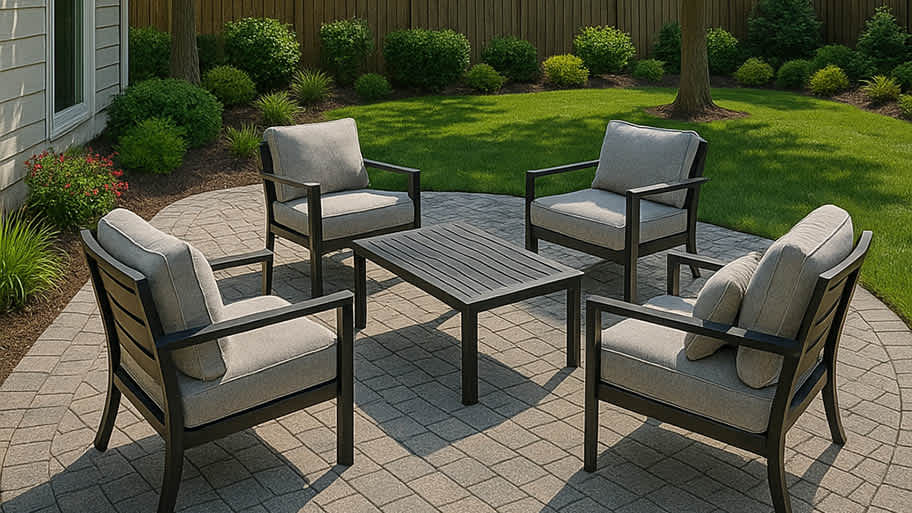
Looking to elevate your backyard aesthetic with a patio in Boston, MA? Use this paver patio cost guide to help you estimate your total project cost before you get started.
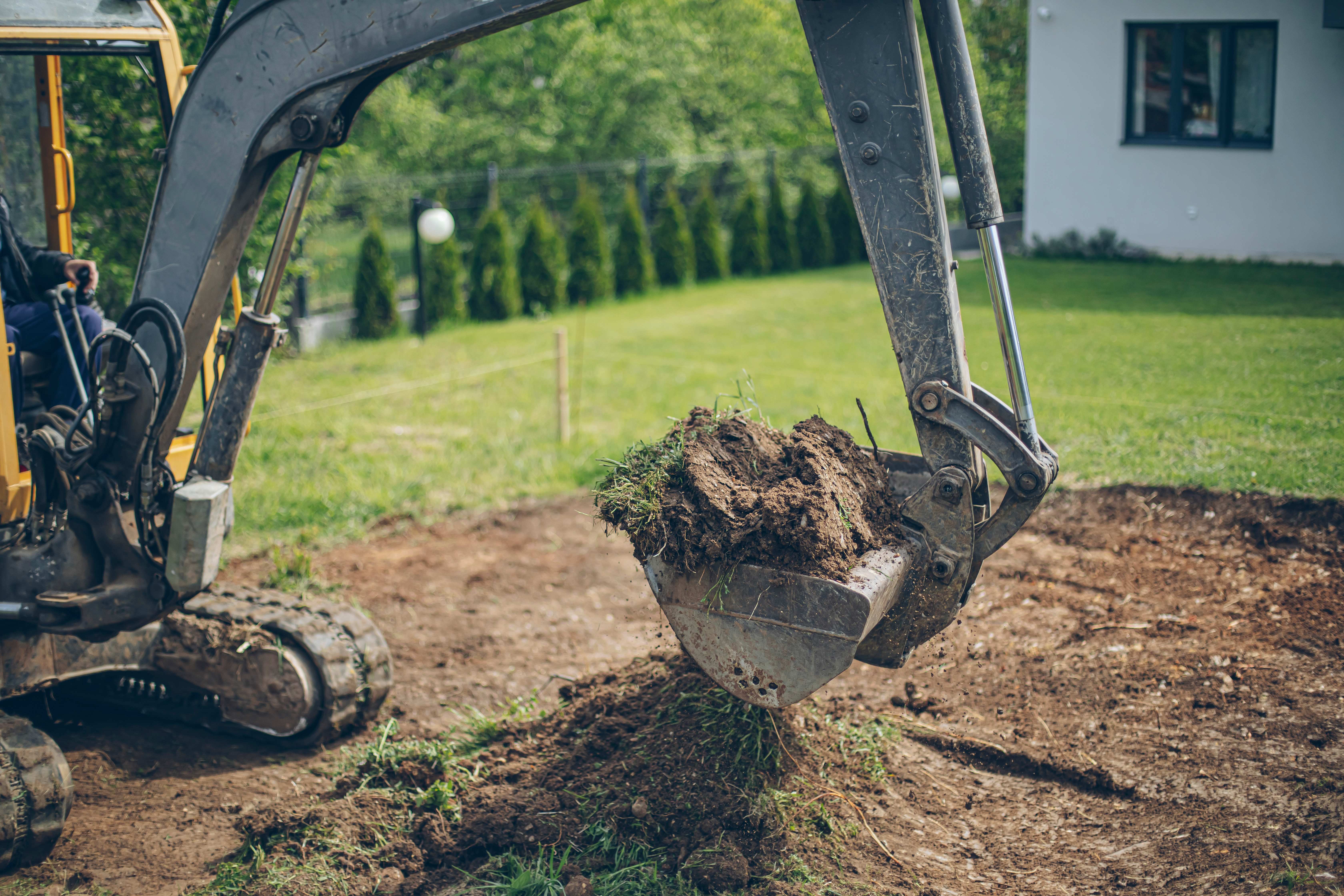
Picking the right pro can make or break your project. Learn how to hire an excavation pro with the qualifications and skillset to do the job efficiently.
Planning a backyard overhaul? Learn about grading and excavation costs, site preparation steps, and how to hire the right local pro for your project.

Discover what excavation is, the different types, and when it's needed in construction. Learn key insights for your next big home project.