


Top-rated excavation pros.

Best excavation pros near Plaistow, NH

Enter your zip and get matched with up to 5 pros

Need a pro for your excavation project in Plaistow, NH?

Select your specific project to find the pro for you.

TRUSTED BY PLAISTOW, NH HOMEOWNERS

  • Average homeowner rating star icon4.8
    Average homeowner rating
  • Verified reviews icon54
    Verified excavation services reviews

Top-Rated Excavation pros in Plaistow - Updated Nov 2026

Smithtown Landworks
5.0(
5
)
Landscape - Minor Grading or Resloping

Serving Plaistow, NH and surrounding areas

Approved

In business since 2022

Free estimates

Small jobs welcome

"I hired Matt to prepare a site for a shed we have ordered. He replied promptly for a request for an estimate. He explained what needed to be done and gave me a fixed date when he could do the work. Throughout the project, he kept me apprised of the progress and explained the choices that needed to be made. I was impressed with the care with which he approached every aspect of the project. Just a great guy to work with."
Response time5 hrs
1 neighbors recently requested a quote
Recommended by80%of homeowners
Avatar for BEAR ROCK HARDSCAPES LLC
BEAR ROCK HARDSCAPES LLC
5.0(
8
)
Landscape - Minor Grading or Resloping

Serving Plaistow, NH and surrounding areas

Approved

In business since 2006

Free estimates

Credit card accepted

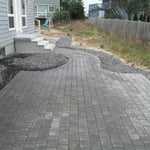
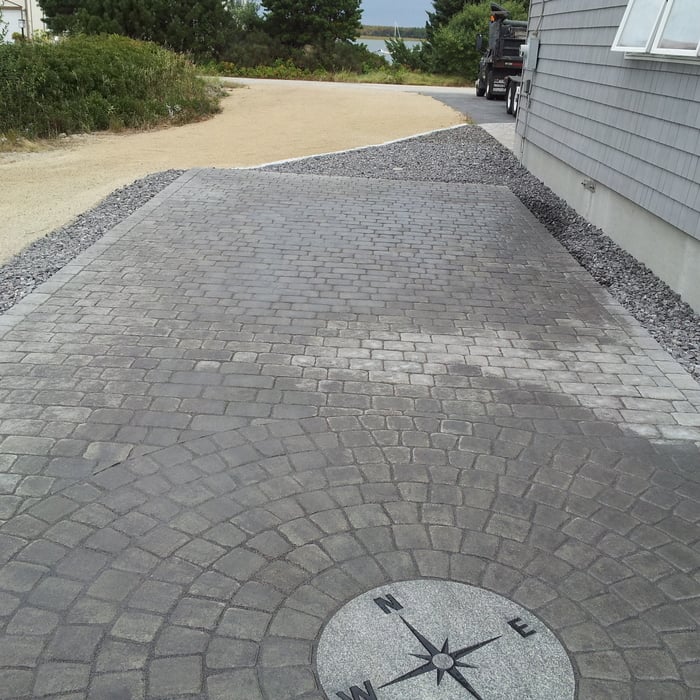
"Dan Gallant of Bear Rock Hardscapes did an excellent job designing & installing a curved walkway made of different colored pavers. The walkway improved the overall impression of my home. When friends saw the walkway, they hired Dan to install a walkway or patio at their houses. I would hire Dan again."
Project Photos
Steps
HARDSCAPES
HARDSCAPES
WALKWAY

+20

...
Showing 1-10 of 161
Excavating FAQs, answered by experts

In most areas, you will need a permit for excavation work, even for projects that only involve grading or yard leveling. Permit requirements depend on your local government and the scope of the project, but they are especially common for significant digging or work that could affect utilities or public property. These permits help protect the local topography and prevent drainage issues. An experienced excavation company will typically know whether permits are needed and can often handle the process of pulling and closing them for you. You can also verify permit requirements by contacting your local building department and describing your project.

Sewer lines can be buried anywhere from 18 inches to 8 feet deep, with a common average depth between 18 and 30 inches. The exact depth depends on local factors like climate and soil type. In colder regions, pipes must be buried deeper (below the frost line) to prevent freezing, sometimes as deep as 8 feet. The digging depth can also impact the cost of sewer line replacement. To find the specific depth for your property, you can check the building plans for your system, which should be on file with your city or local sanitation department since permits are required for installation.

After you successfully remove your boulder, you have a few options for what to do to get rid of it. You can rent a dumpster if your yard has many boulders or if you’re planning a larger project. You can even save the boulder and reuse it elsewhere on your property to save on landscaping costs. A few ideas include using the boulder as a natural, abstract statue, breaking it into smaller pieces to line your garden bed, or offering it to a landscaping company that could reuse it for another project.

There are several methods to hollow out a tree stump, and the best one depends on your tools, experience, and priorities. Common methods include using a chisel and hammer, a chainsaw, or burning.

  • Chisel and Hammer: This is often considered the easiest approach for those with limited tools or experience, though it is the most time-consuming.

  • Chainsaw: Using a chainsaw is the fastest method, but it comes with significant safety risks, especially for inexperienced users.

  • Burning: This can be an effective method, but it is not recommended unless you can first drill holes into the stump. Without holes, the stump will be difficult to light and may not burn completely through.

A power drill with at least a ⅜-inch diameter bit can make the job quicker and easier, regardless of the primary method. While you can use a chisel or chainsaw without a drill, it will require more time and effort. Always wear protective goggles and thick gloves, as splinters are an inevitable risk.

The digging depth will depend on the size of the trencher you use. Even smaller units can dig up to 4 feet deep, which is plenty for a DIY job. However, much larger trenchers can reach a depth of 18 feet and are better used by a team of pro contractors, not a single DIYer. As with all home improvement projects, use the right tool for the job and proceed with caution.

The Plaistow, NH homeowners’ guide to excavation services

From average costs to expert advice, get all the answers you need to get your job done.