


Top-rated excavation pros.

Best excavation pros near Newton, NH

Enter your zip and get matched with up to 5 pros

Need a pro for your excavation project in Newton, NH?

Select your specific project to find the pro for you.

TRUSTED BY NEWTON, NH HOMEOWNERS

  • Average homeowner rating star icon4.6
    Average homeowner rating
  • Verified reviews icon53
    Verified excavation services reviews

Top-Rated Excavation pros in Newton - Updated Nov 2026

Smithtown Landworks
5.0(
5
)
Landscape - Minor Grading or Resloping

Serving Newton, NH and surrounding areas

Approved

In business since 2022

Free estimates

Small jobs welcome

"I posted on Angi and Matt responded immediately and was friendly and professional. He made an access entry from the original basement wall into my addition. There was little to no cleanup for me after! Job well done to Matt and Dickie. I highly recommend Smithtown Landworks."
Response time5 hrs
1 neighbors recently requested a quote
Recommended by80%of homeowners
Avatar for BEAR ROCK HARDSCAPES LLC
BEAR ROCK HARDSCAPES LLC
5.0(
8
)
Landscape - Minor Grading or Resloping

Serving Newton, NH and surrounding areas

Approved

In business since 2006

Free estimates

Credit card accepted

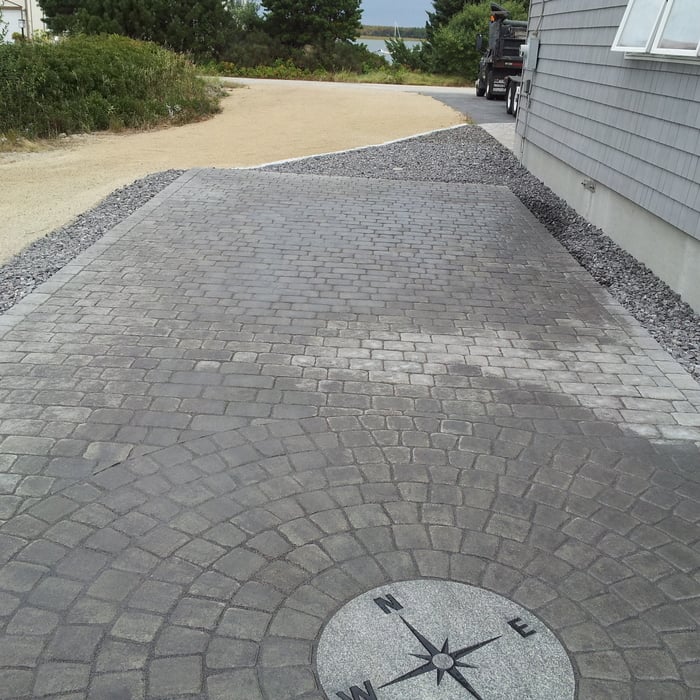
"I hired Dan to install a hardscape patio, walkway, sod, and arborvitae planting. He is a complete pro...thorough, diligent, and kind. When you hire contractors, you never know what kind of person will show up, or what kind of job they will do. But I can say without a doubt that I couldn't be happier with Dan the human and Bear Rock Hardscapes the company."
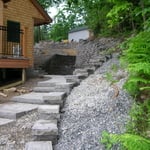
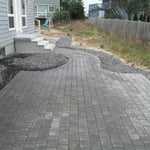
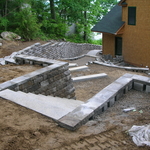
Project Photos
Steps
HARDSCAPES
HARDSCAPES
WALKWAY

+20

...
Showing 1-10 of 150
Excavating FAQs, answered by experts

You can bury underground electrical wire six inches deep—but only if you use a rigid metal electrical conduit. For rigid, non-metallic conduits, bury the wire at least 12 inches deep. If using an underground feeder cable rated for direct burial, you'll need to place it at least 18 inches deep, as it has no conduit for extra protection.

Digging a bush up by the roots is the most natural DIY method for removing a bush stump. Start by identifying the shrub type and revealing its roots. Cut the shrub to its base and loosen the soil, ensuring no utility lines are nearby. Optionally, treat the base with herbicide, then dig around the roots and cut a circle around the shrub using various tools. Dig a trench, cut the base of the root ball, and finally fill the hole to prevent regrowth. This thorough process ensures complete removal without damaging surrounding areas.

A joint utility trench, or joint trench, is a long, buried ditch on a property that contains two or more utility lines rather than running the lines in multiple trenches. Some utilities, like gas and electric or electric and communication lines, are better suited to joint trenching, while others, like water and sewer, are not allowed to be in the same trench.

Drilled wells have a pipe sticking up that’s covered in a plastic or metal casing. On the other hand, a dug well will look like a big hole in the ground and is more similar to what you’d see in a fantasy or Western movie. If you want to be sure, contact the city for documentation on your property’s construction and excavation history. 

To determine whether your homeowners' insurance will cover crawl space repair, consider the cause of the issue. Repair may be covered if the problems were caused by an event that the insurance covers, such as vandalism or a windstorm. However, companies won't cover the repair if the issues are caused by neglect or wear and tear.

The Newton, NH homeowners’ guide to excavation services

From average costs to expert advice, get all the answers you need to get your job done.