We are a family owned company providing affordable and environmentally safe sewer treatment systems. We install and repair septic tanks, culverts, liftstations, and much more.
"Noticed we were starting to have issues with our septic tank. Gave Thigpen a call and set up an appointment for the next day. They were here on time and completed the job quickly. No trying to talk me into any other services I didn't need, no bs, just straight up honest work. Will definitely hire again when the time comes."
"Great experience working with Jacob, listening to the issue, quickly diagnosing and confirming what work needed to be performed to resolve both the clogged drain and leaky piping underneath the sink and explaining the process all along. He promptly cleared the line using the hydro-jet and replaced the galvanized piping with PVC including the install of a new cleanout valve. Afterwards, he cleaned up the work area not leaving a mess which is appreciated. The price was reasonable considering the circumstances and he was very efficient. I will not hesitate to call them again if I have another plumbing issue and would recommend them for plumbing services."
"Well. Only problem was delay in response time after claim was filed online. Water tank started leaking Thanksgiving morning and no reply until I called the Regional Manager."
"I just pay $75 you never know who's going to come out. They do everything electrical. Just about everything is covered except the septic tank. I had an air conditioner replaced. It went great, all I had to do was pay for the freon. He didn't charge e more than what was needed."
French drains, sump pumps, and exterior waterproofing systems are common options. Choose one that best suits your property’s needs.
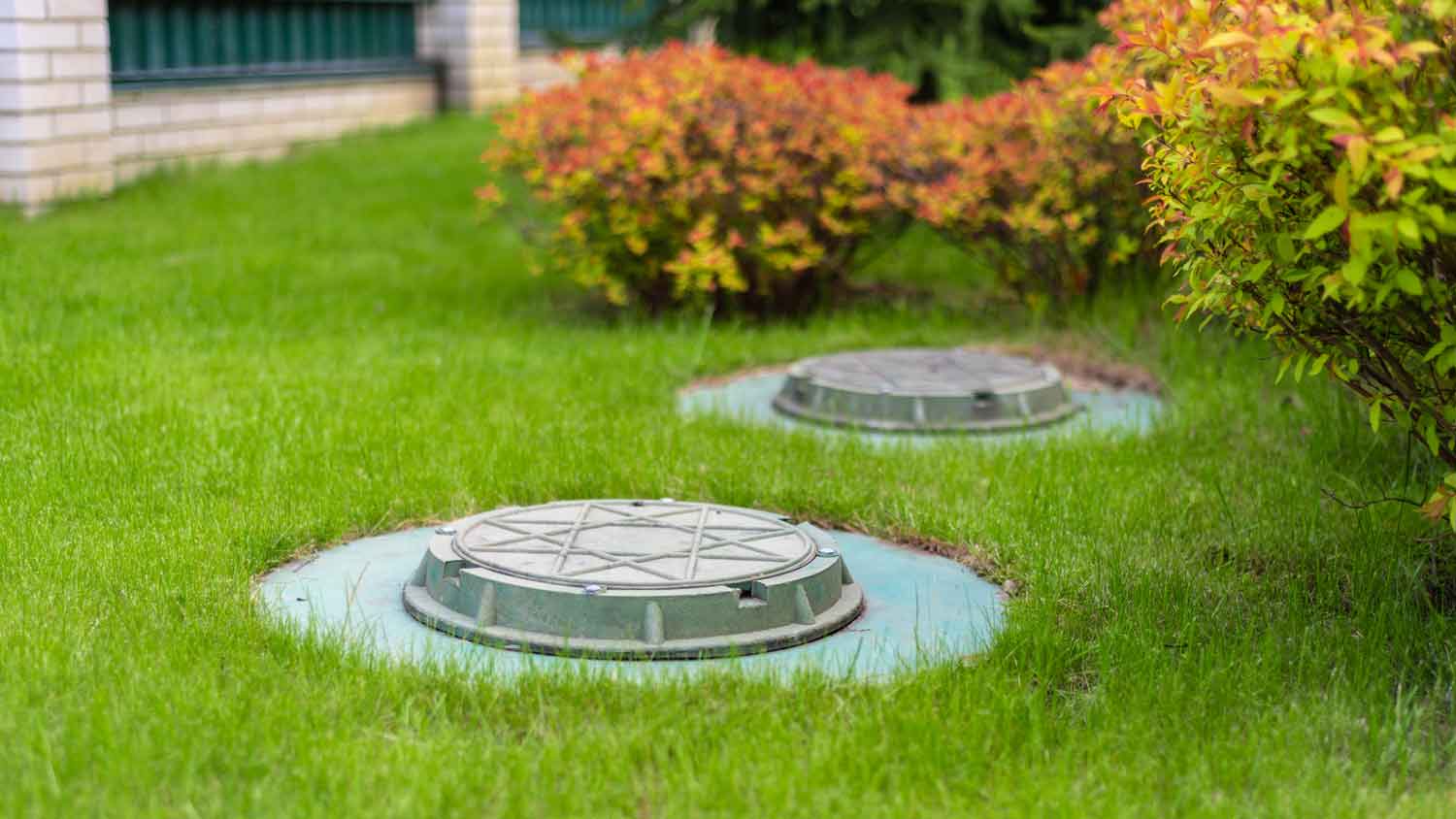
A septic tank riser should extend to just above the ground level or slightly above it. The exact height can vary depending on local regulations and personal preferences, but a common guideline is to have the riser's top flush with or no more than a few inches above the surrounding ground. This height allows for easy access to the septic tank without creating a tripping hazard or obstructing mowing and landscaping activities. It's essential to ensure that the riser lid is easily visible and accessible for regular maintenance and inspection while being mindful of safety and aesthetics.
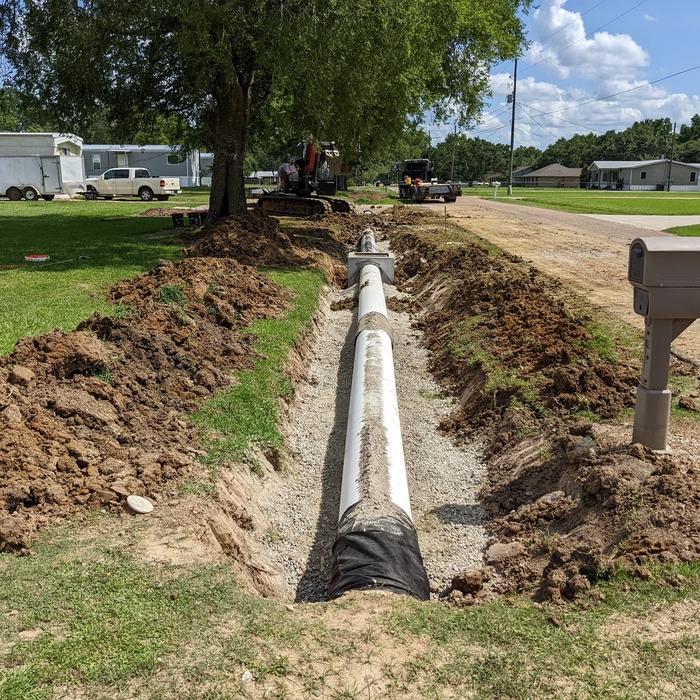
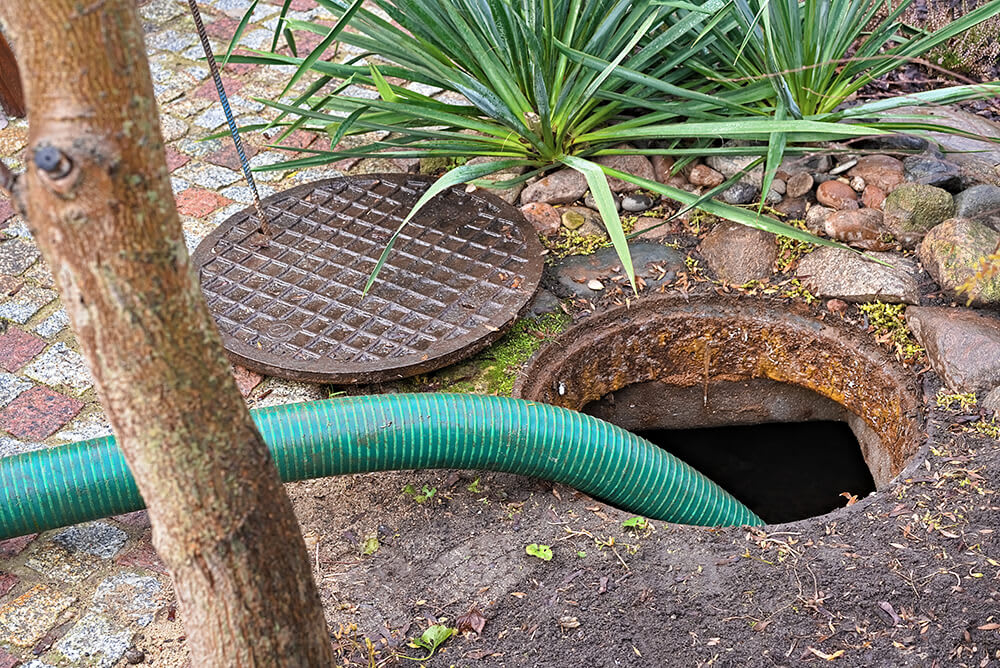
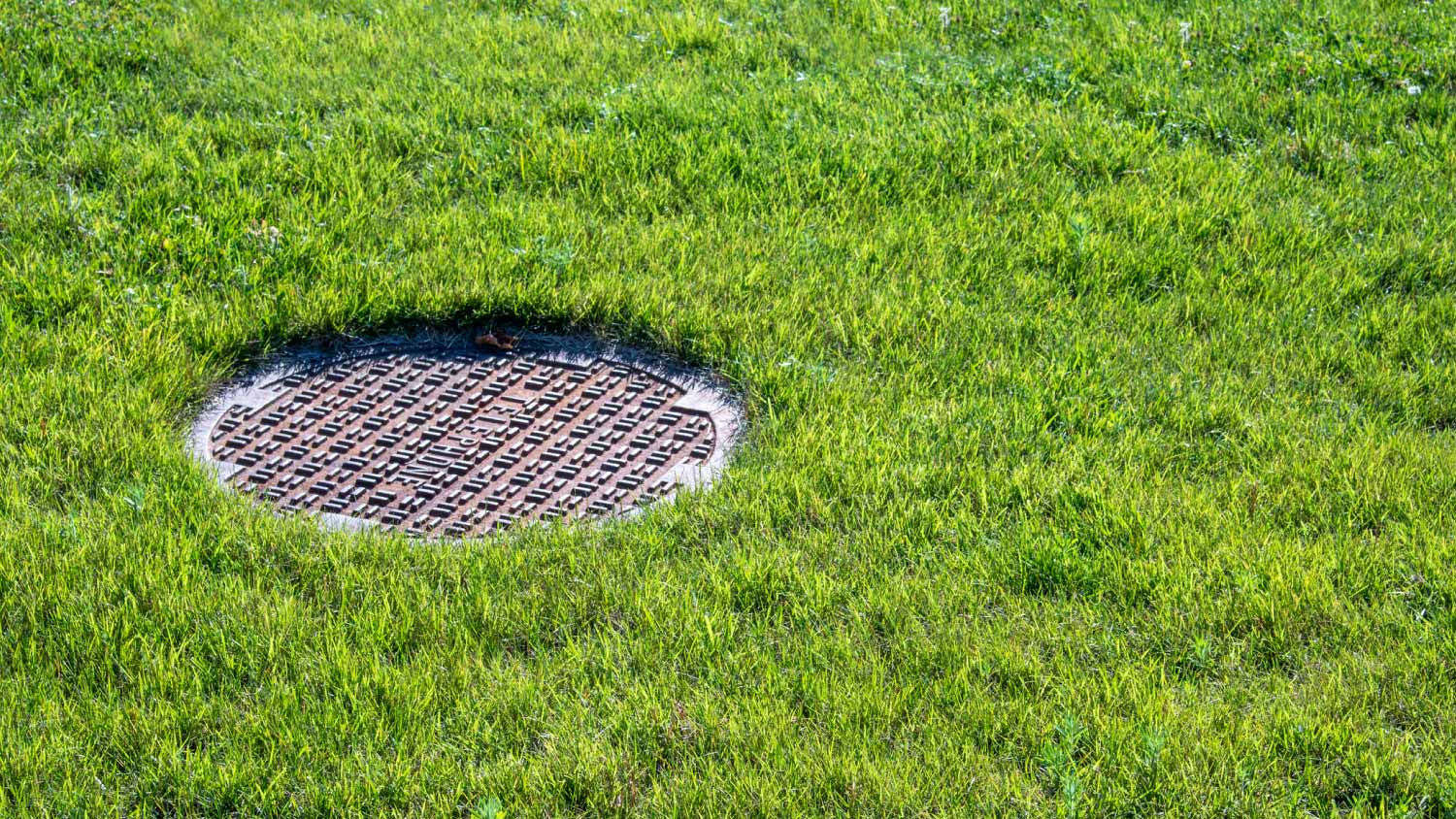
Start by finding the septic tank, marked by an access lid near your home. From there, the drain field extends outward in a series of trenches. Look for greener, lusher grass, as drain fields promote plant growth due to moisture and fertilizer. You can also check property records, use a soil probe to detect damp soil, or hire a septic professional with ground-penetrating radar equipment to map the drain field’s location.
You can check your own septic tank, but take precautions. Locate the access lid, usually buried a few inches underground, and remove it carefully. Look for the sludge and scum levels, and if they’re high, that means pumping may be necessary. Check for odors, slow drains, or pooling water around the drain field, which could indicate issues. Never enter the tank, as toxic gases can be fatal. All of that being said, a professional inspection is safer and more thorough.
Choosing a reliable septic tank company starts by finding an experienced company in your area with positive customer reviews online. You can also use the following tips to help ensure you have a positive experience:
Choose a company that is licensed and fully insured
Ask the company for customer references
Ask if the company provides any guarantee for the repair
Determine the provider’s level of experience
The Edgard, LA homeowners’ guide to septic tank services
From average costs to expert advice, get all the answers you need to get your job done.
Caring for your septic system is crucial to ensuring its long life. But how much does it cost to pump a septic tank? We explore the different cost factors.
It’s crucial to install a septic tank with the right volume to avoid wastewater backups. This guide will help you calculate the right septic tank volume.
Septic tank sizes vary depending on the size of your home, how many people live there, how much water you use, and more. Read on to learn how to determine the right size for you.