We are a family owned company providing affordable and environmentally safe sewer treatment systems. We install and repair septic tanks, culverts, liftstations, and much more.
"Well. Only problem was delay in response time after claim was filed online. Water tank started leaking Thanksgiving morning and no reply until I called the Regional Manager."
"Takes for ever to get a return a call. Also took a week to get someone out for repairs. They said they would reimburse me for septic repairs and it took over 3 months for that to happen."
Quality Drain Cleaning is committed to excellence in every aspect of our business. We uphold a standard of integrity bound by fairness, honesty, and personal responsibility. Our distinction is the quality of service we bring to our customers. Accurate knowledge of our trade combined with ability is what makes us true professionals. Above all, we are watchful of our customers' interests, and make their concerns the basis of our business.
Needing to pump the tank as soon as it “looks” full is a common myth about septic systems, as wastewater will eventually drain into the leach field. Instead, it’s better to determine how many solids have accumulated. A septic maintenance technician near you can test this to find out whether pumping is necessary.
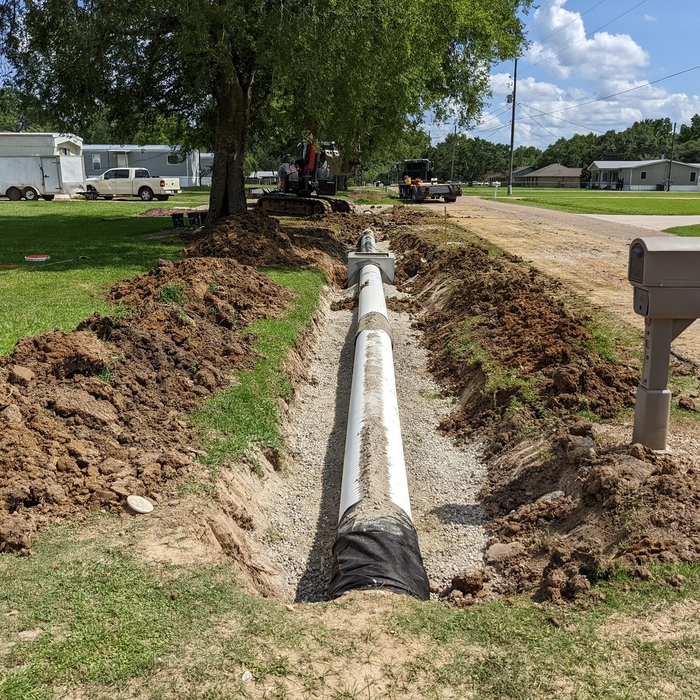
Drain fields often include three to five trenches that are 18 to 24 inches deep. The pipes connecting the drain field to the septic tank will be placed between 12 and 18 inches deep, and the field as a whole will be about 100 feet long.
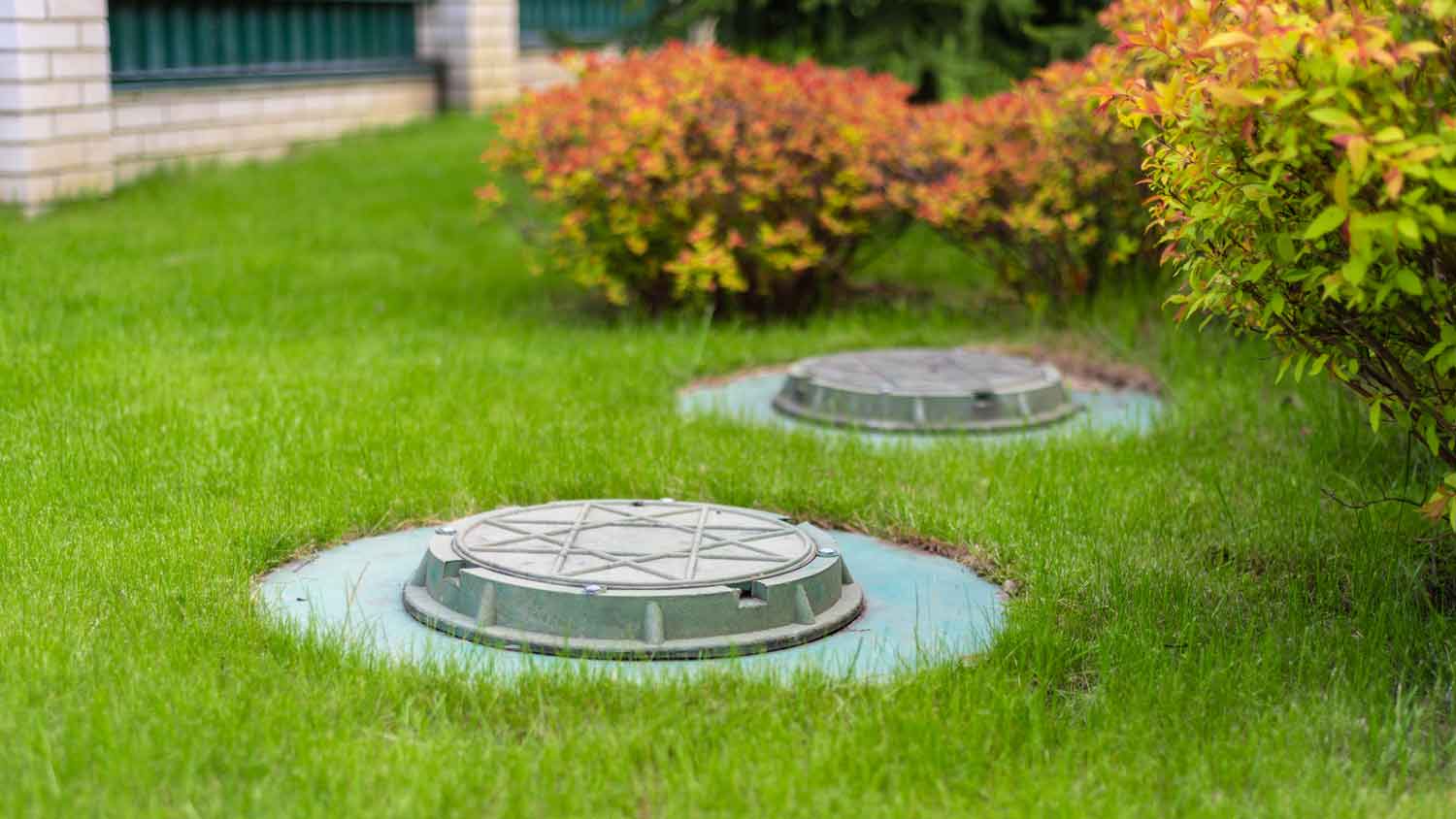
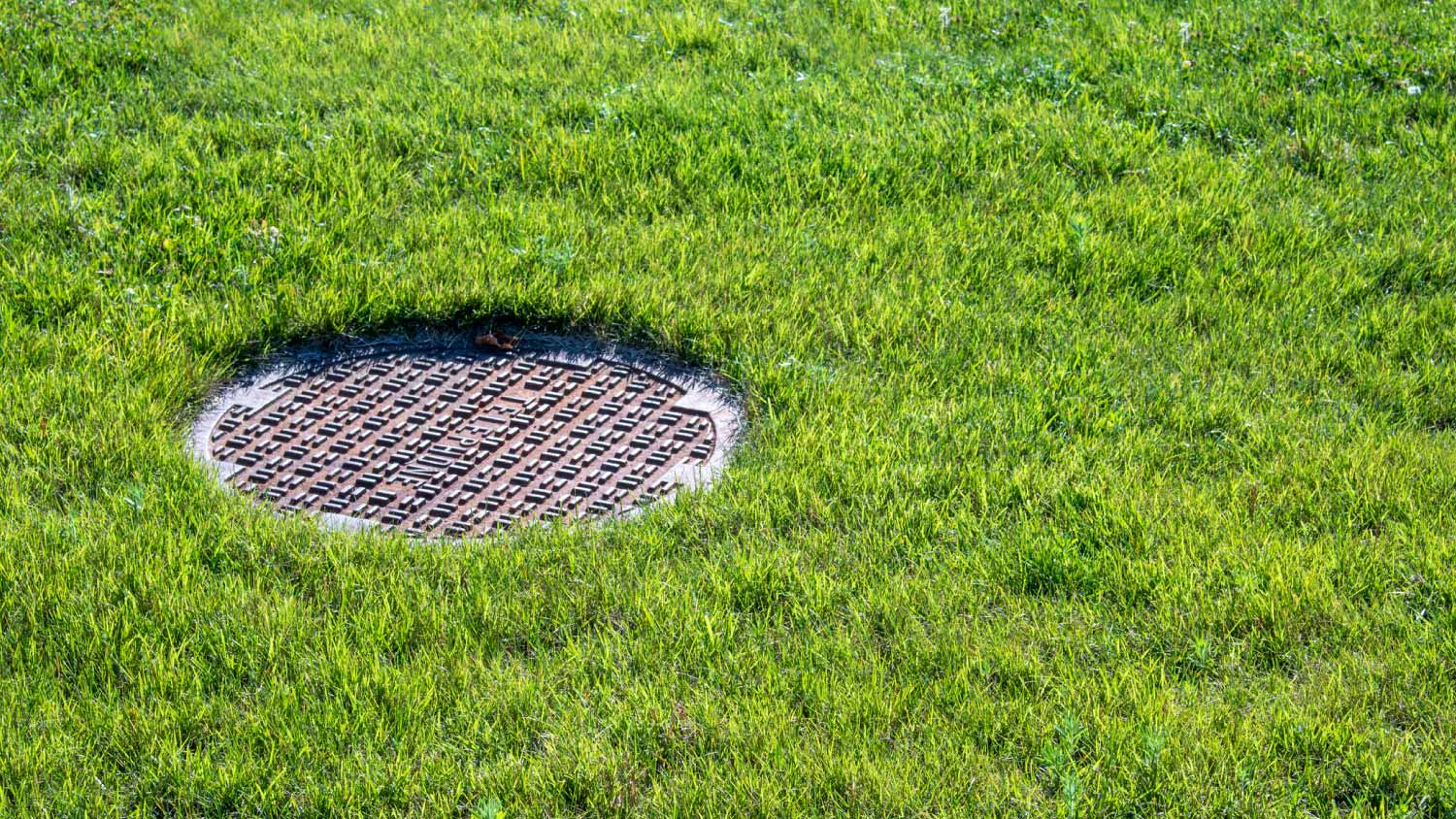
You can check your own septic tank, but take precautions. Locate the access lid, usually buried a few inches underground, and remove it carefully. Look for the sludge and scum levels, and if they’re high, that means pumping may be necessary. Check for odors, slow drains, or pooling water around the drain field, which could indicate issues. Never enter the tank, as toxic gases can be fatal. All of that being said, a professional inspection is safer and more thorough.
All municipalities in the U.S. require a permit for septic tank installation or septic system alteration, and the permit will usually cost between $450 and $2,500. Some municipalities also require permits for septic system repair. You’ll either need to contact your local building department or your septic tank company to ask if this is necessary before carrying out the work. Permits are not typically required to have your septic tank pumped, so provided your septic company is licensed, you can move forward with the work as needed.
Wells typically replenish at a rate of about five gallons per minute, but several variables can influence how quickly they refill. A deep well will take more time to replenish than a shallow one. The replenishment rate can be slowed by issues such as leaks, damage, a faulty well pump, or a clogged well screen. Other factors, such as the surrounding geology, regular precipitation, and proper maintenance, also affect the recovery rate.
The Gray, LA homeowners’ guide to septic tank services
From average costs to expert advice, get all the answers you need to get your job done.
It’s crucial to install a septic tank with the right volume to avoid wastewater backups. This guide will help you calculate the right septic tank volume.
Septic tank sizes vary depending on the size of your home, how many people live there, how much water you use, and more. Read on to learn how to determine the right size for you.