






Top-rated excavation pros.

Get matched with top excavation pros in Edgard, LA

Enter your zip and get matched with up to 5 pros

Need a pro for your excavation project in Edgard, LA?

Select your specific project to find the pro for you.

Find Excavation pros in Edgard

Avatar for J & S Dirt Works, LLC
J & S Dirt Works, LLC
New to Angi

Serving Edgard, LA and surrounding areas

Approved

Free estimates

Emergency services offered

Warranties offered

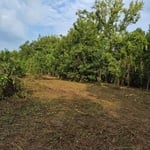
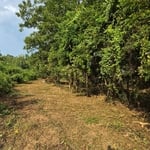
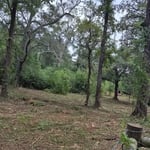
At J&S Dirtworks, you’re not just hiring a company- you’re hiring a father and son team that takes pride in honest work, fair pricing, and getting the job done right the first time. We believe in a strong work ethic, clear communication, and treating every property like it’s our own. Whether it’s a small job or large project, we show up ready to work and don’t leave until you’re satisfied. \n\nWhat we do: \nTree Removal & Cleanup- Safe, efficent removal with attention to your property. \n\nGrass Cutting & Maintenance- Reliable mowing to keep your property looking clean and cared for. \n\nDirtwork & Moving Dirt- Grading, leveling, and hauling to shape your space the way you need. \n\n\nWhy you should hire us? \n-Family-owned and operated \n-Dependable, hardworking, and honest\n-Fair pricing with no runaround\n-Local service you can trust \n\nWhen you hire J&S Dirtworks, you’re supporting a family business that values hard work, respect, and results.

Tree trimming
Tree trimming
Tree trimming
Tree trimming
Tree trimming

+1

...
Showing 1-10 of 99
Excavating questions, answered by experts

Most residential basements are 8 to 10 feet deep. You can dig deeper depending on building codes, but it does become more difficult. You’ll likely need to install stronger foundation walls and additional supports to handle the increased load. Depending on the water table, you may also need a water management system. Clay soil can support a deeper foundation than sandy soil. A structural engineer will be able to tell you the maximum, feasible depth.

Skunk digging looks like a series of small, cone-shaped holes on a lawn or around the perimeter of a home, porch, deck, or shed. The holes that skunks dig when searching for grubs tend to be no more than four inches in diameter and may be up to four inches deep.

The best way to protect tree roots is to avoid the roots entirely by excavating outside the root radius of the tree. For nearby projects, it’s a good idea to construct a temporary retaining wall. But that’s not always possible, depending on the project and the root system. In these cases, consider using alternative equipment like an auger to tunnel under the ground.

Remember, tree roots can damage nearby cement foundations as they grow. If a tree is close enough to interfere with large excavations, it may be better to remove the tree than risk future problems.

A trench that is less than 5 feet deep often doesn't require a protective system. Most residential trenches will not go this deep (the typical residential drainage trench is just 18 inches deep). In the event that an excavator needs to dig more than 5 feet beneath the surface, a protective system is required unless the excavation is in entirely stable rock.

Prior to excavation, you should prepare the dig site and call 311 before you sign anything.

To get your site ready for excavation, you should move anything in the area that isn’t affixed to the land. You can save money on the excavation by removing hardscaping, including walkways, decks, concrete patios, and paver patios.

Before you carry out any digging, you should call 311 to confirm that there are no utility lines running through your excavation site. Skipping this step could lead to severe injury and property damage if your excavator hits a water, sewage, or gas line.

The Edgard, LA homeowners’ guide to excavation services

From average costs to expert advice, get all the answers you need to get your job done.