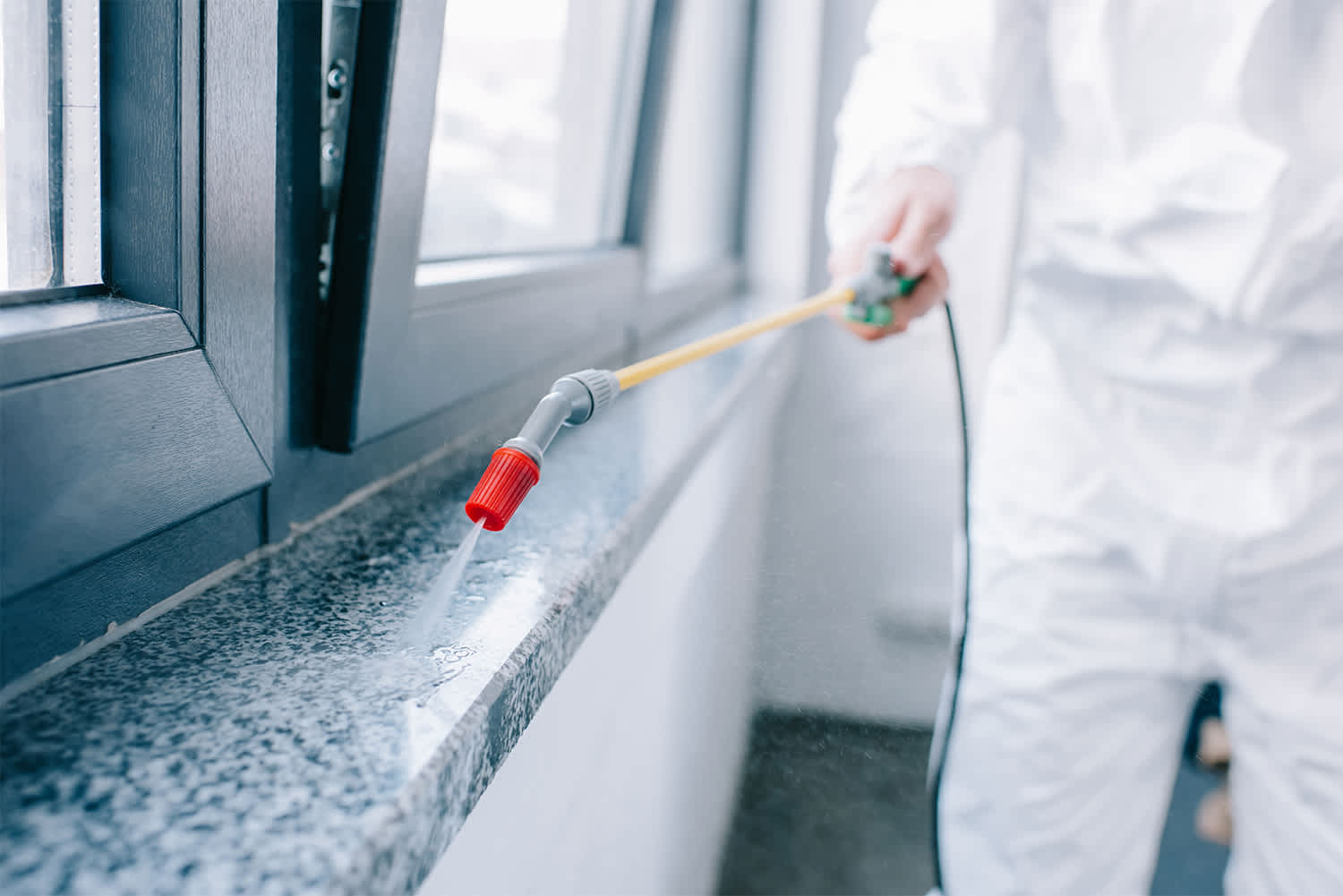






Top-rated pest control specialists.

Get matched with top pest control specialists in Smithland, KY

Enter your zip and get matched with up to 5 pros

Need a pro for your pest control project in Smithland, KY?

Select your specific project to find the pro for you.

Find Pest control specialists in Smithland

Avatar for Terminix
Terminix
3.9(
974
)
Mosquito ControlPest Control - Bed BugsPest Control - Bugs and Insects+1 more

Serving Smithland, KY and surrounding areas

In business since 1927

Free estimates

Credit card accepted

"We found evidence of termite infestation. They responded quickly and inspected property the following day. Price was reasonable and employee was knowledgeable. He explained scope of work and options thoroughly. We added pest control as additional price was very reasonable. Work was performed the following day and we are satisfied with service."
Termite Treatment
Technician inspecting foundation
Termite Treatment
Pest Control
Pest Control

+2

Recommended by83%of homeowners
Avatar for Terminix
Terminix
3.7(
391
)
Pest Control - Bed BugsPest Control - Bugs and InsectsPest Control - Rodents+1 more

Serving Smithland, KY and surrounding areas

In business since 1927

Free estimates

Warranties offered

"From sales, termite application, and pest control Price Termite & Pest Control where professional and friendly. I was able to watch the treatments and they were exactly what was explained to me in my first meeting - no deviation or shortcuts. I highly recommend this company"
Termite Bait Installation - Driveway
Termite Tech
Residential Termite Treatment
Tech w. Clients
Pest Treatment - Kitchen

+8

Recommended by85%of homeowners
Pest Control questions, answered by experts

Moisture issues caused by leaky pipes, improper drainage, and poor airflow create environments that are ideal for termites to thrive in. Dampwood termites prefer water-damaged wood while subterranean termites require moist environments to survive. Climate can have an impact as well, with termites preferring to live in warm and humid climates with mild temperatures year-round. However, termites are present in every state in the United States, with the exception of Alaska.

Not likely. While the occasional spotted lanternfly insect may find its way in, it’s highly unlikely that spotted lanternflies will lay eggs and eventually infest your home because they prefer to live outdoors. If you’re concerned about the bugs getting inside, be sure to examine all humans, objects, and pets before bringing them indoors.

To determine if you have a rat or mouse infestation, look for several key differences. The most obvious is the size of the rodent: rats are significantly larger with thicker bodies, while mice are much smaller and more slender. You can also identify them by their droppings; rat droppings are larger and rounder, about the size of a raisin, while mouse droppings are smaller, like a grain of rice, and often have pointed ends. Other signs include the sounds they make, as rats produce louder scratching and gnawing noises due to their size. Behaviorally, rats tend to be more cautious, whereas mice are more curious and might be seen more often. Additionally, rat nests are typically larger than those of mice. If you are unable to see the pest or find clear evidence, a professional inspection can provide a definitive identification.

Absolutely! Keeping up to date with regular flea treatments for pets, washing their bedding, and vacuuming regularly are all simple and inexpensive ways to help prevent a flea infestation from developing in the first place. 

Annual flea control treatments for your pet typically cost between $40 and $200. Talk to your vet about safe and effective options.

Keeping up with garden maintenance also helps make your yard less inviting for fleas. Mow your lawn regularly, don’t overwater, and avoid attracting rodents by carefully storing food waste, removing clutter, and sealing holes.

Once the animals and their young are out of the house, remove the nest and locate any entry points. Some may be difficult to find because some animals can fit through very small holes. Once you’ve located as many entry points as possible, use materials such as metal or masonry to block off the entry. Ideally, you should choose materials that most animals cannot chew through. Create a one-way door or flap to allow animals to leave but not return. Additional methods include using repellants designed to make an area unappealing to the types of animals that find your home so inviting. 

The Smithland, KY homeowners’ guide to pest control services

From average costs to expert advice, get all the answers you need to get your job done.