
Get matched with top fencing pros in Lily, KY

Lily homeowners rate fencing pros in our network

4.4

(33 reviews)

Top-rated fencing pros.

Need a pro for your fencing service project in Lily, KY?

Select your specific project to find the pro for you.

Find Fencing pros in Lily

C&S Insulation & Fencing
5.0(
12
)

Serving Lily, KY and surrounding areas

Approved

Free estimates

Small jobs welcome

Offers commercial services

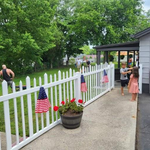
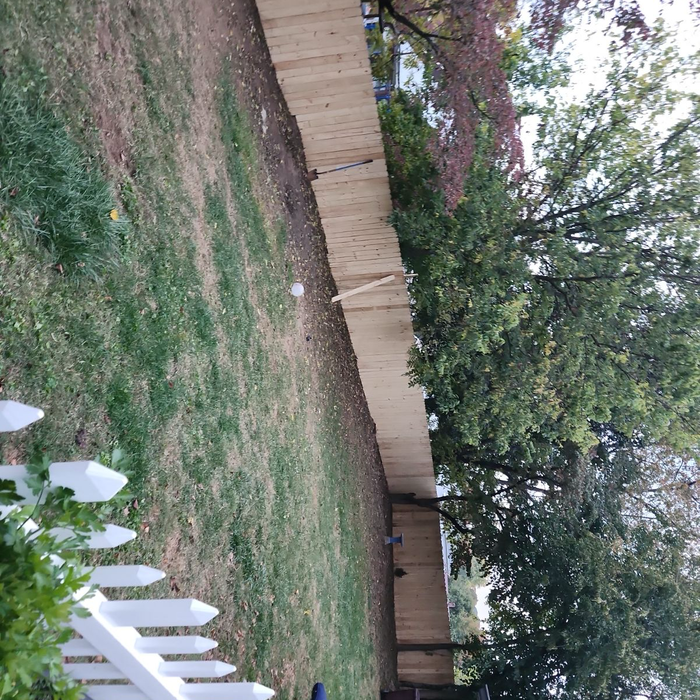
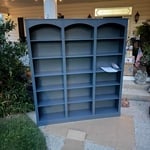
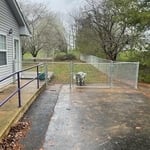
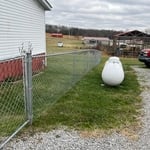
"I very much enjoyed my experience with C&S Fencing and Insulation. All my interactions with them were pleasant; their bid was easily the best I got; and when Shawn arrived he got the job done very quickly by himself. I like watching an expert at work, and today was an education in efficiency. Kudos to C&S Fencing and Insulation!"
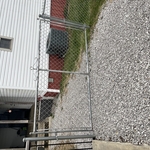
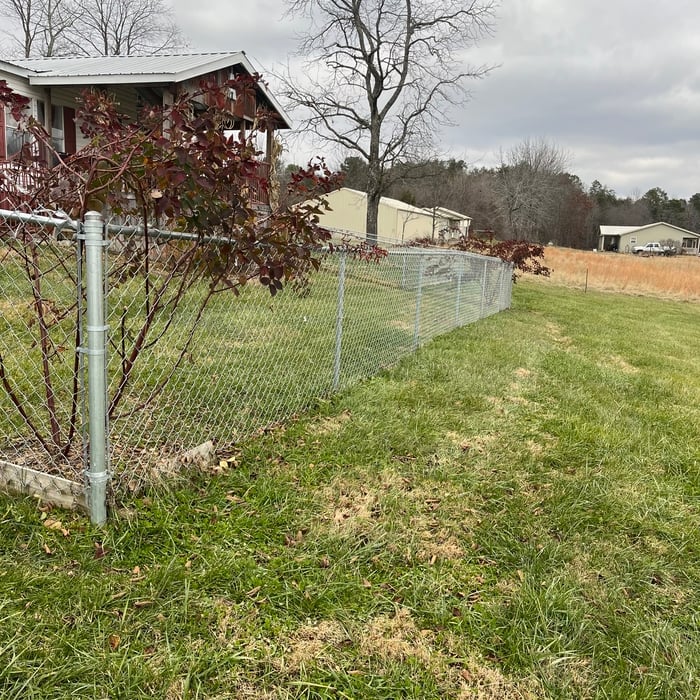
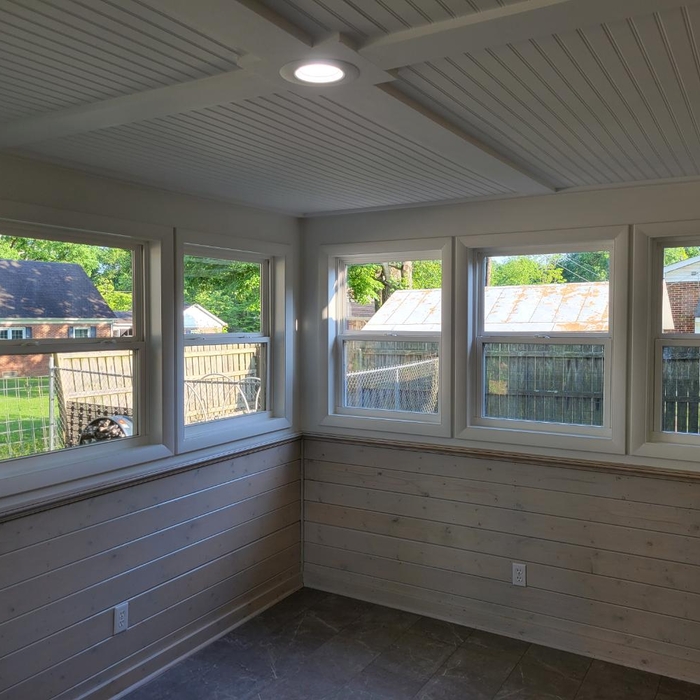
Additional Photos
Additional Photos
Additional Photos
Additional Photos
Additional Photos

+8

Response time2 days
10 neighbors recently requested a quote
Recommended by88%of homeowners
...
Showing 1-10 of 76
Fencing questions, answered by experts

Do you need a permit to build a fence if you are simply replacing an existing fence? Whether you need a permit in this case depends on your local laws and regulations. Most municipalities consider a fence replacement project as being equal to building a new fence, so you likely will need a permit. Check with your local building inspection department or zoning department to see if you need a permit. If you hire a local fence contractor, this pro can take care of obtaining all permits for you.

The average cost to install a wrought iron fence is around $3,150, with typical project costs ranging from $470 to $10,500. The final price can vary significantly based on several factors, including the fence's total length and height, design complexity, metal thickness, and your property's topography.

For materials alone, you can expect to pay around $25 to $35 per linear foot. When including installation, the cost is typically between $50 and $70 per linear foot.

Additional factors that can influence the total cost include:

  • Custom designs, decorative flourishes, gates, and columns

  • Labor costs in your area

  • The need for permits

  • Land preparation, such as old fence removal, tree or bush clearing, and land grading

For an accurate estimate, it is best to consult a professional fence installer with the specific measurements and design requirements for your project.

Knowing how close to the property line you can build a fence is an important planning step in your fence installation project. In many U.S. states, you are allowed to build a fence directly on the property line as long as your neighbor signs off on the plan. But check with your state government because some states and municipalities require a couple of inches before your property line.

The best wood for a farm fence is pressure-treated wood that will stand up to various weather conditions, animal contact, and moisture. Farm fences need to resist rot and damage, so choose a species such as cedar or redwood. The natural oils in these woods give them decay resistance, which also makes them ideal for other fence types, such as a wooden snow fence.

There’s no definitive answer to this question because dog owners and experts are conflicted about the efficacy and morality of electric fences. However, physical fences are typically considered a better option since they provide guaranteed containment for your pup, provided they are tall enough, and your dog can’t dig under them. Physical fences can also provide privacy, which might stop your dog from barking at people or animals walking by. Physical dog fences tend to be more expensive, but most homeowners find them to be a better option overall.

The Lily, KY homeowners’ guide to fencing services

From average costs to expert advice, get all the answers you need to get your job done.