
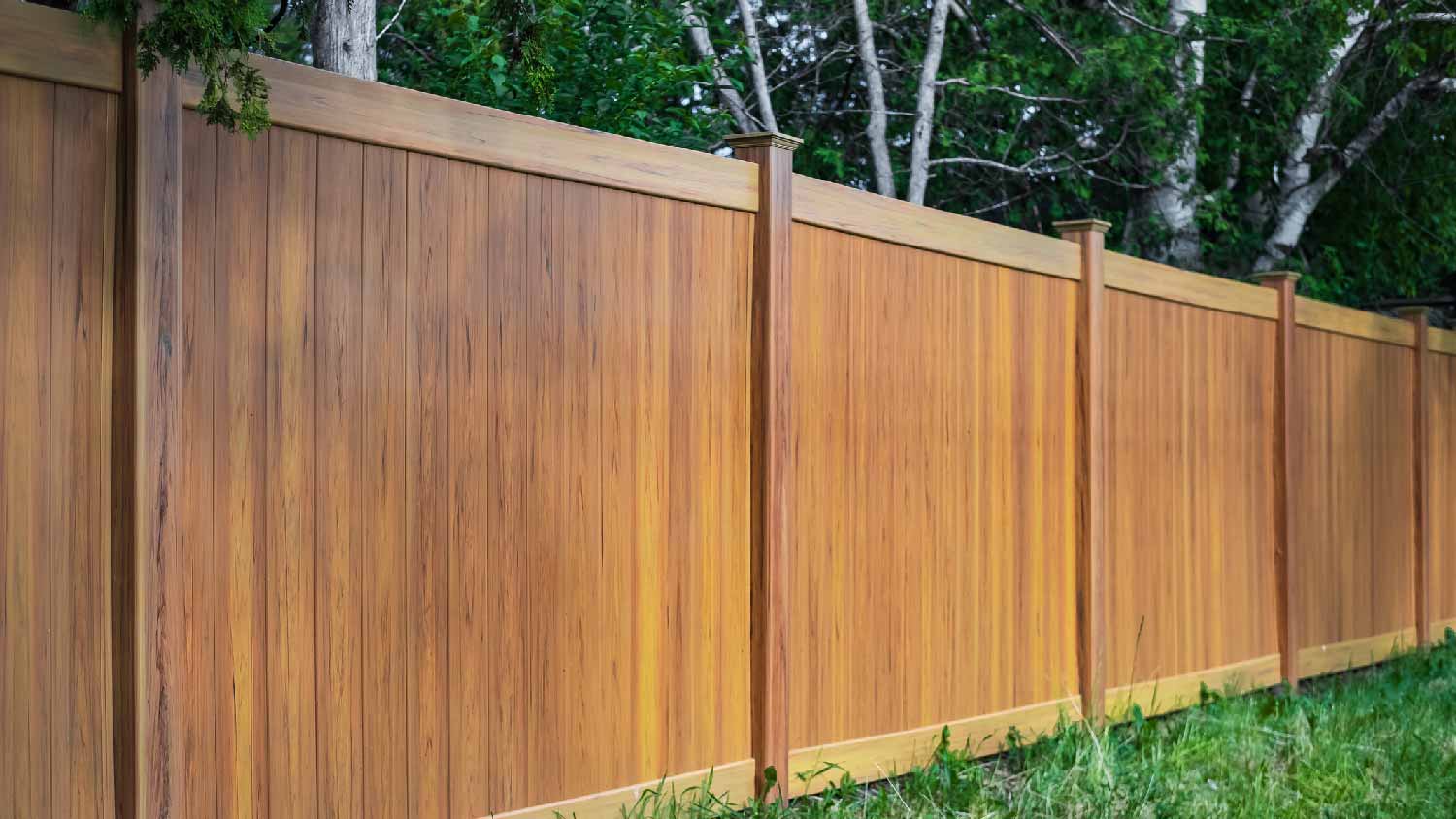
A board on board fence costs more than the typical privacy fence because of the increased materials and installation complexity. Estimate your cost with our guide.
The key to a long-lasting fence is choosing the best wood

Cedar is the best wood for a fence thanks to its natural rot resistance, insect-repelling oils, and unique grain that lasts up to 30 years.
Typical costs range from $1,800 to $4,555 for wood fence installation, with material prices varying from $1 to $8 per foot depending on your wood choice.
Redwood and black locust handle wet climates better than pine or oak, so match your wood selection to your local rainfall and humidity levels.
Hiring a local fencing professional helps you narrow down wood options by climate and budget, plus handles the heavy installation work for dense woods like oak.
The first step when installing a new wood fence is picking the right materials. It’s crucial that you select the best wood for fence posts and pickets before embarking on your project. While most homeowners go with the same wood for the posts and rails, others mix and match. Regardless of your overall vision, these are the best wood fence post options, depending on your budget.

Cedarwood is a popular choice for fence posts because of the wood's unique color and grain texture. In addition to looking great, cedarwood is naturally resistant to rot and repels insects with its natural oils. While many types of wood require chemical treatments to enhance their durability, cedar can go untreated and last up to 30 years.
Though it will create a long-lasting fence that will likely save you money over time, the initial costs of using cedar are usually higher than pressure-treated pine, at $2 to $3 per foot. Another consideration is that cedar can fade over time, and it requires periodic staining or resealing. It also warps when exposed to repeated or constant humidity.
| Pros | Cons |
|---|---|
| Unique appearance | Higher cost |
| Resists rot and insects | Fades over time |
| Long-lasting | Prone to warping |

When you see pressure-treated wood, it is usually southern yellow pine. Pinewood comes in yellow or white shades and stains well, making it easy to modify to your liking. It is one of the most affordable types of wood fencing, at $1 to $5 per foot.
Pressure or chemical-treated wood can withstand weathering, but untreated pine will require treatment. Although sealant will help preserve this wood, pine will last longer in drier areas. Pine fencing is easily damaged as it is softwood. So you may need to perform periodic maintenance to restore or replace damaged or scratched fence posts.
| Pros | Cons |
|---|---|
| Stains well | Needs chemical treating |
| Easy to customize | Warps in moisture |
| Affordable | Prone to damage |

Redwood is a dense and nonporous wood species that makes a beautiful fence. Due to its dense fibers, redwood naturally repels pests and is far less prone to warping than other softer woods. It has natural weatherproofing properties that make this wood perfect for a long-lasting fence, and it will even withstand heavy rainfall.
Because this wood is durable, attractive, and resistant to the elements, it does come at a higher price point, at about $8 per foot. Though applying sealant isn't required, it will still preserve the appearance of your fence, which can incur an additional cost. Additionally, redwood isn’t as widely available as other woods, especially outside of the West Coast. However, it is best for fences that are resilient without much maintenance.
| Pros | Cons |
|---|---|
| Repels pests | Higher cost |
| Won’t easily warp | Sealing recommended |
| Weatherproof | Limited availability |

Oak is one of the most popular choices for wood fences because of its variety of colors and reputation for strength and durability. Oak is known for its aesthetic appeal due to its straight grain pattern and light brown color, which benefits greatly from a good coat of natural oil.
It's also one of the strongest woods, making it ideal for outdoor fencing because it can withstand the elements for decades with regular maintenance. With the right care, your oak fence will remain standing for 20 years or more. Its strong nature, however, also means that it’s a heavy wood, making installation a bit more challenging than other wood options. Oak is also best for a dry climate because it doesn't repel insects well—which doesn't bode well for rainy regions.
| Pros | Cons |
|---|---|
| Variety of colors | Regular staining and sealing required |
| Strong and durable | Challenging installation |
| Aesthetic grain pattern | Doesn’t repel insects |

Black locust is a resilient wood species that will create a long-lasting fence. It is a stiff hardwood that is resistant to bugs, rot, and mold. In fact, black locust wood can withstand humidity and intense rainfall without taking damage. If you live in a high-moisture area, this may be the best wood for your fence.
Another dense, heavy wood, black locust is more challenging to work with and install. This wood may also be more expensive than other woods, depending on where you live. Native to the Appalachian region, black locust wood is more common on the east coast of the United States. However, if you have access to the wood, it is a smart choice for fencing as it requires little to no treatment. This material costs between $5 to $10 per foot.
| Pros | Cons |
|---|---|
| Resists rot and mold | Challenging installation |
| Repels insects | Higher cost |
| Withstands moisture |

Ipe is a lovely, red-tinted tropical hardwood species that is longer-lasting and more durable than a softwood like pine. Naturally resistant to rot, pest infestation, and even fire, Ipe wood requires no chemical treatment for preservation. Ipe presents a strong and attractive option for environmentally-conscious homeowners who would rather avoid using chemicals.
Since it’s a tropical wood, there are some challenges when Ipe is installed in dry climates— there’s a chance that it could splinter or crack. Installation is, again, a bit more difficult than softwoods due to its density. Wearing gloves and a mask is essential when working with Ipe. When cut, the wood releases dust that can cause an allergic reaction when touched or inhaled. Ipe costs $3 to $5 per foot.
| Pros | Cons |
|---|---|
| Durable and lasting | Cracks in dry climates |
| Resists rot, pests, and fire | Challenging installation |
| Unique red tint | Irritating dust released |
Ipe trees are endangered, which means trade of this wood is more strictly regulated and prices are increasing.

Though cypress is a softwood, it is resistant to insects and rot. A popular choice for its attractive grain appearance, cypress is widely available at $2 per foot. Like other softwood fencing, cypress fences can last up to 25 years with proper care. If you desire an attractive wood with a unique natural pattern, cypress could be the best wood for your fence.
Compared to other softwood, cypress is stiff and dense. While unique and appealing, the grain pattern can be challenging to cut. Working with this wood requires patience to not split or crack during fence assembly.
| Pros | Cons |
|---|---|
| Unique appearance | Stiff construction |
| Resists rot and insects | Challenging to cut |
When selecting the proper wood for your fence posts and pickets, first consider your climate. Some types of wood, like redwood, can withstand heavy rainfall, while pine would last longer in a dry area. A wood that is less resistant to water will be prone to rot, mold, and mildew, so keep this in mind if you live in a rainy climate. Choosing a dense, rot-resistant wood will save you money in maintenance should you live in an area with high moisture.
Bugs and wildlife will also eat away at your wood fence’s longevity—literally. If your home is located in a fairly rural community with lots of critters and creepy crawlers running around, it’s best to opt for a more durable wood like redwood, black locust, or Ipe wood.
But even the most durable wood fences need maintenance to help them live long and strong, so another factor to consider is how easy it is to clean or stain a specific wood type. Redwood is another winner here when it comes to low maintenance. If you don’t want to worry too much about frequent staining, cedar is a great option, as its rich color can last quite a long time without any touchups.

The cost to install a wood fence is about $3,170, though it can range from $1,800 to $4,555, depending on the type of wood, size, style, and other factors. The fence’s material plays a big role in your final price tag, as does local labor costs. It’s best to collect about three estimates from a wood fence installer near you before embarking on a build.
Though redwood, Ipe, and black locust wood are resilient and durable, they cost more than pine and fir. The difference between these species often comes down to their natural resistances. A costlier wood likely will not need as much maintenance or treatment as its more affordable counterparts.
A reliable team for moves across state. My switch to a new place needed careful lifting through tight hallways. The movers checked the doorway first, then carried heavier pieces with slow, controlled movements. Their patience helped prevent damage, and I?d choose them again.
We have used Window Warriors many times with no issues. They arrived on time and were very professional . We have pets and Window Warrior team treated them very well, well trusted team.
 Window Warrior of Columbus, Inc.
We have bought and sold numerous times over the past 50 years. Sherman Hall and Top Line are top notch. Thorough and detailed, he explains every possibility, probability, and eventuality. High class and pleasant. The best.
 Top Line Home Inspections, LLC
Our homes curb appeal skyrocketed thanks to Custom Paint Jobs LLC s exterior painting.
 Custom Paint Jobs, LLC
Window Depot did an amazing job on my deck. I wasnt sure what I wanted to do, but their composite decking was affordable and will last a long time. I am excited to have family over, and I am no longer embarrassed by my backyard. Jeff and the ground crew were polite, respectful, and caring for...
 Window Depot USA of Central Ohio
Storms Mobile Welding was great to work with. They were prompt, professional and did an overall excellent job on the project. I highly recommend.
Great job...edging and pre clean up went well with a great job with seal coat. Friendly, efficient and professional.
 All Star Paving and Sealing
Did an amazing job transforming my yard. Also installed sod in places, would recommend to everyone.
 Cardinal Landscaping & Construction LLC
We hired Andrew and the team from Midwest Lightscapes for a custom lighting design and installation on a Victorian Village home. The house had outdated low-voltage halogen outdoor lights and many of them were not working. Andrew designed and installed a new system including uplighting on the...
 Midwest Lightscapes
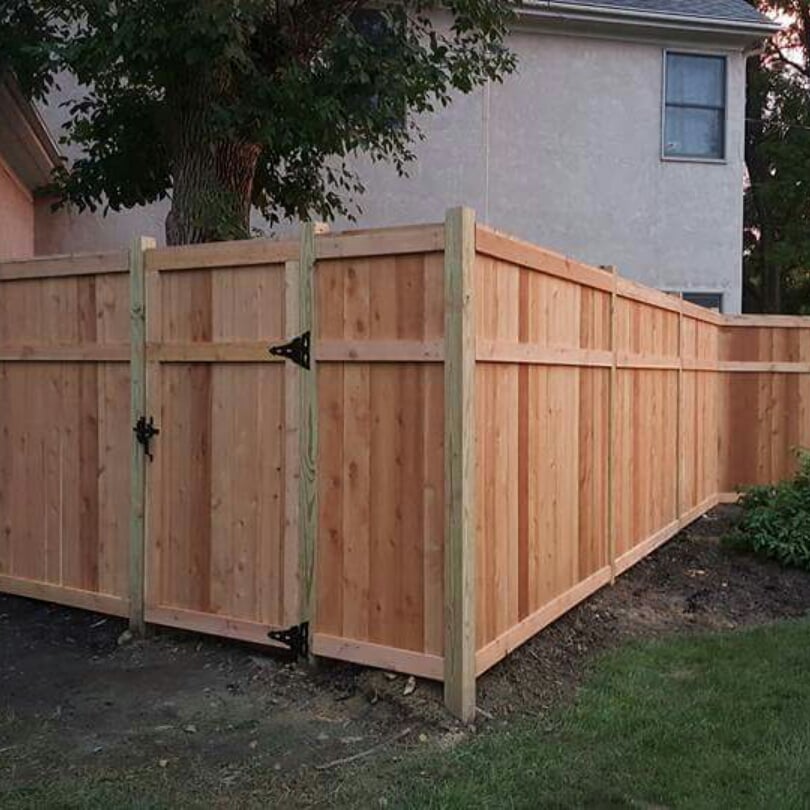
The work was completed in a day and a half. They cut small trees, pulled out an old swing set, pulled out railroad ties and left the place spotless when the job was complete. I am very happy with the fence and their efforts were above and beyond my expectations.
 Elite Fence
From average costs to expert advice, get all the answers you need to get your job done.
A board on board fence costs more than the typical privacy fence because of the increased materials and installation complexity. Estimate your cost with our guide.
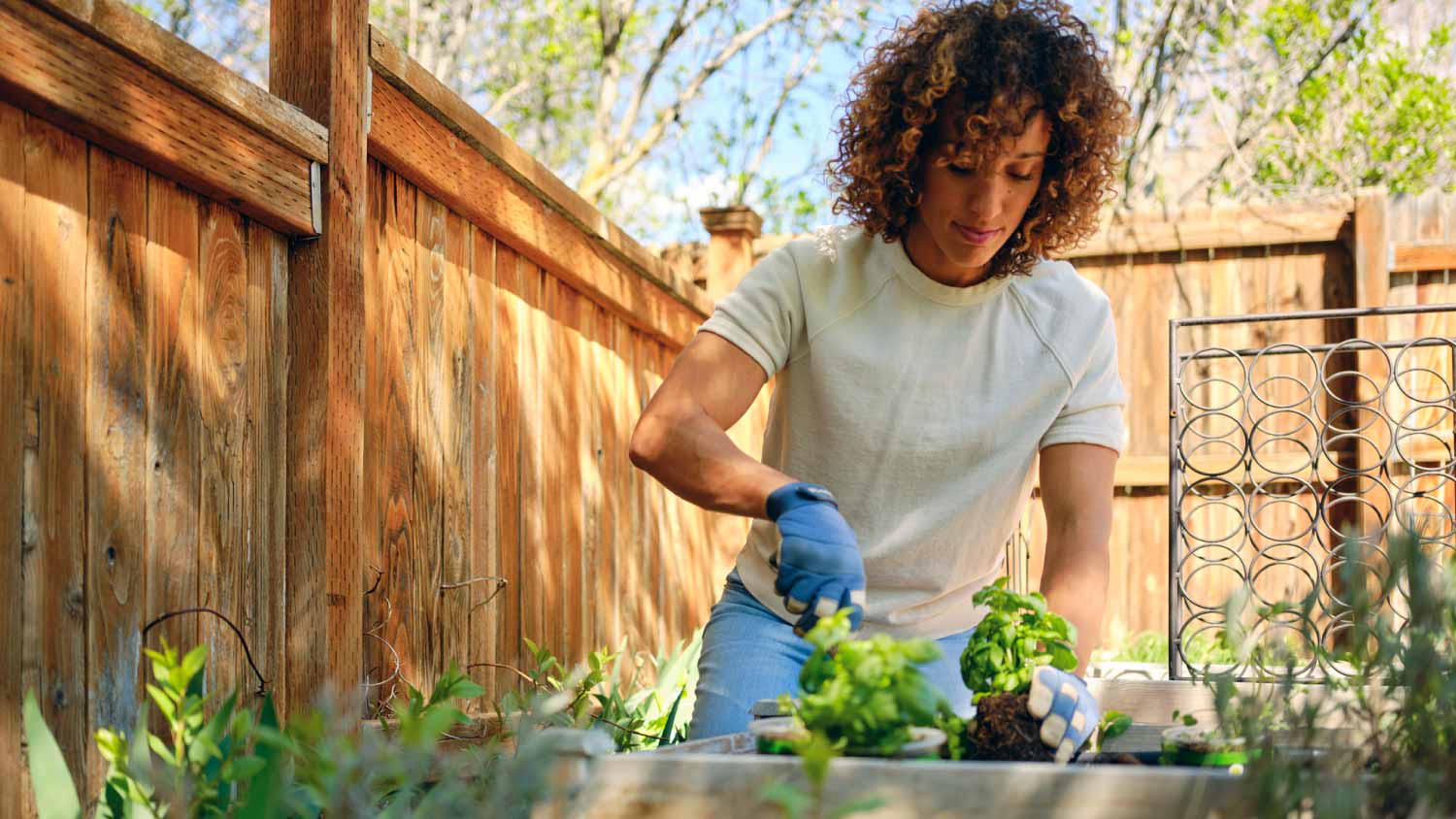
When deciding between a cedar vs. pine fence, both options have pros and cons. Each wood type has its own price point, appearance, and longevity. Let’s explore.
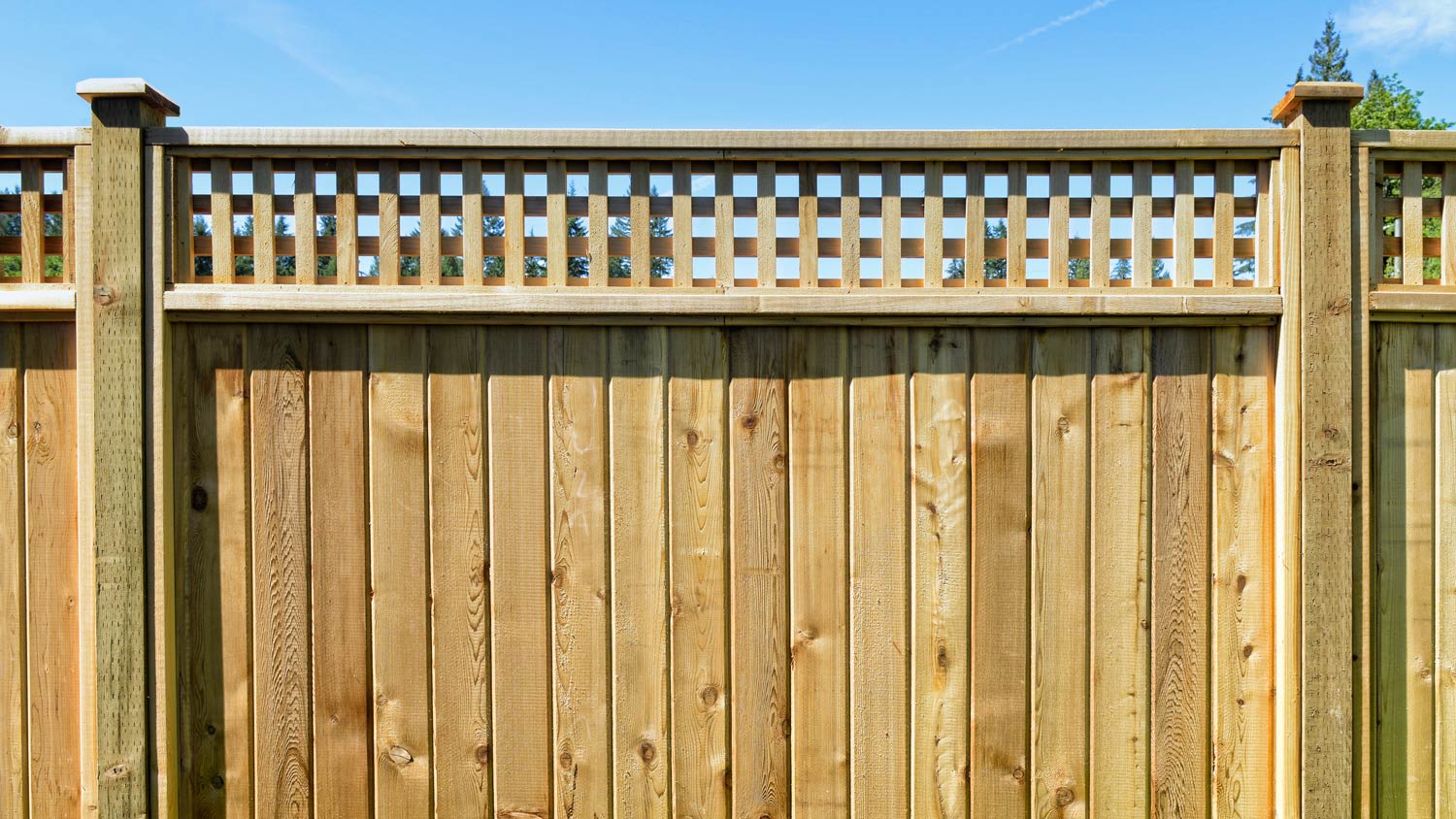
Extend the life of your wood fence by protecting its posts from moisture and decay. Learn how to keep fence posts from rotting.
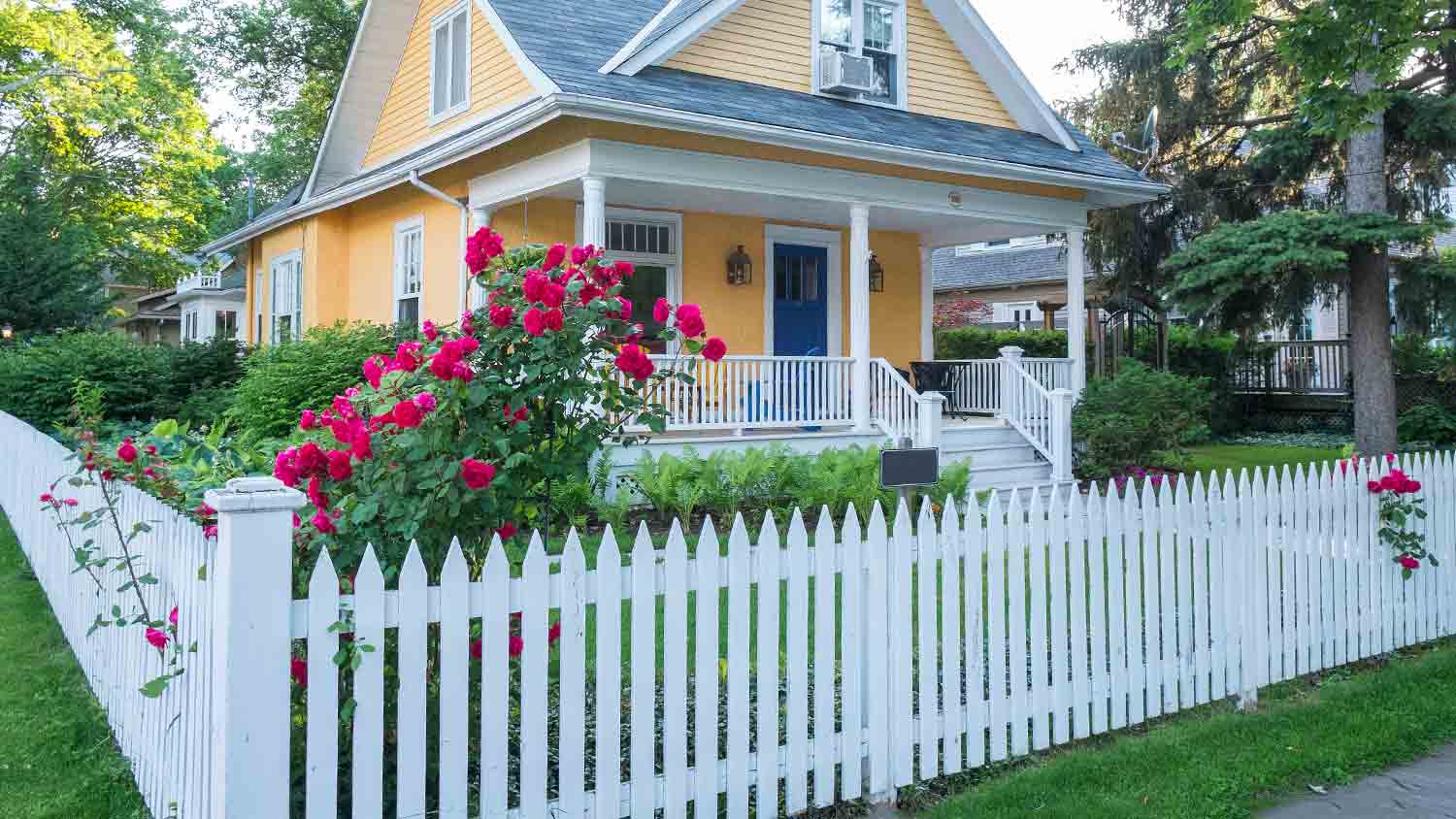
Fence posts are the foundation of any sturdy fence. Make sure your fence is straight and strong with this step-by-step guide on how to install a fence post.
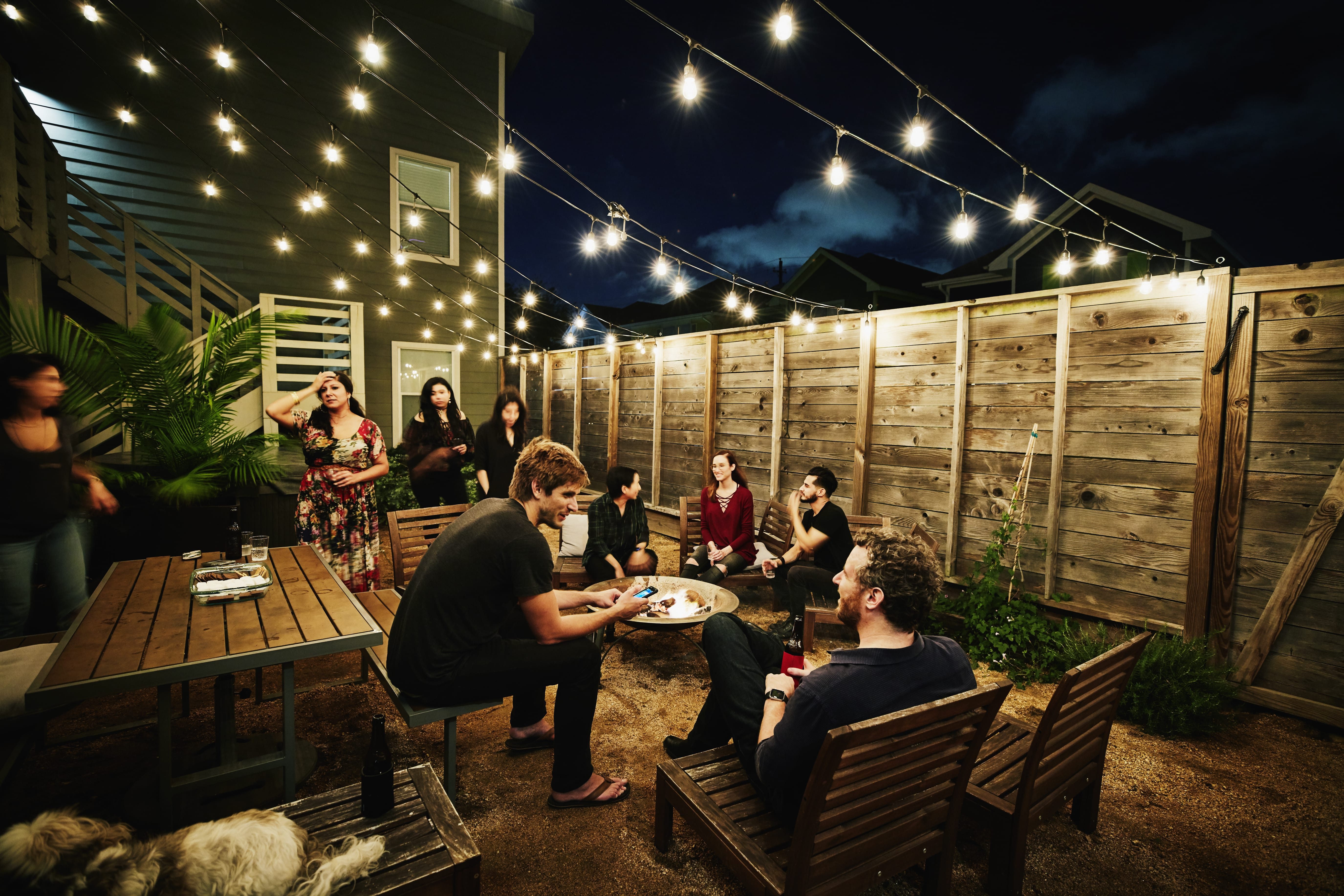
Whether you’re installing a new fence or redoing an old one, it’s worth checking out different designs first. These wooden fence ideas will help you find the perfect fit for your yard.
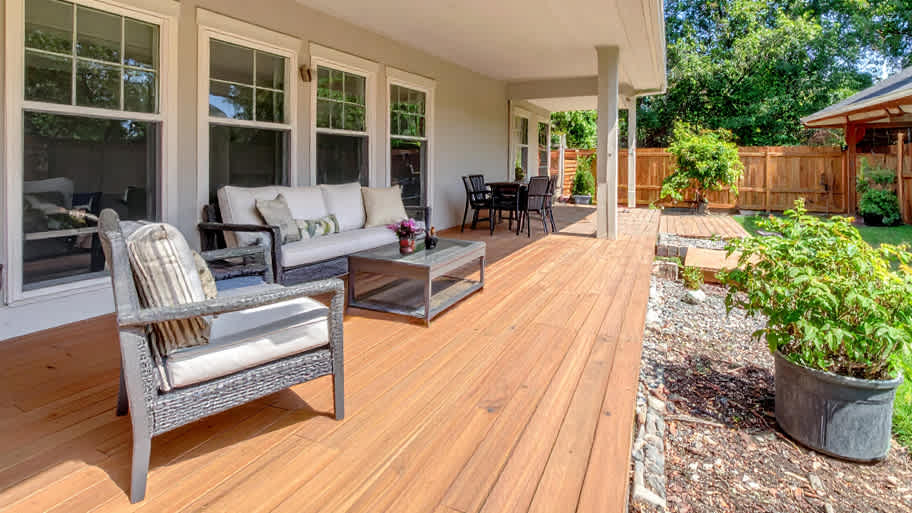
Homeowners are turning to pressure treatment to shield their wood from the elements and pesky insects. Discover how much longer you can make your wood last.