



Top-rated paving pros.

Get matched with top paving pros in Winchester, IN

Enter your zip and get matched with up to 5 pros

Need a pro for your paving service project in Winchester, IN?

Select your specific project to find the pro for you.

Find Paving pros in Winchester

Avatar for S&A Land Clearing
S&A Land Clearing
5.0(
1
)
Gravel or Loose Fill Paving - Install, Spread or Scrape

Serving Winchester, IN and surrounding areas

In business since 2025

Free estimates

Credit card accepted

"Very, very happy with this pro. They were prompt and completed the job in minimum time. What they said they would do, they did, and they always kept me updated. A real joy to have met these young men and I would hire them again without question."
S&A
Showing 1-10 of 50
Paving Services questions, answered by experts

While paving a driveway is possible to do as a DIY project, we don’t recommend it. Hiring a driveway professional to pave it will ensure that your driveway looks neat and clean and lasts for years to come, and it will also prevent a weak driveway and, potentially, damage to your foundation. Paving a driveway requires heavy machinery, and while you can rent the equipment needed, operating it close to your garage slab or around your home’s foundation can crack it and lead to structural issues. 

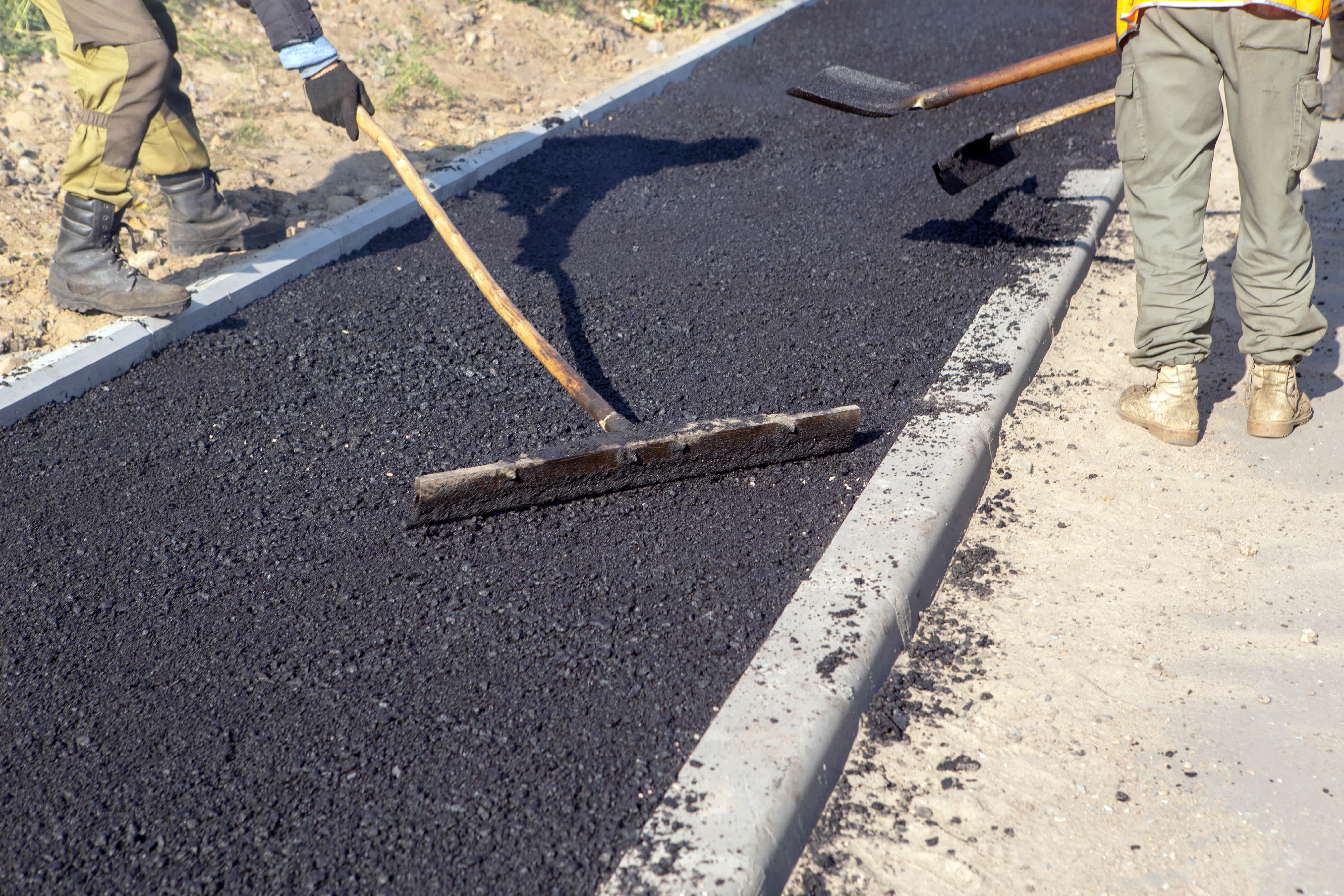
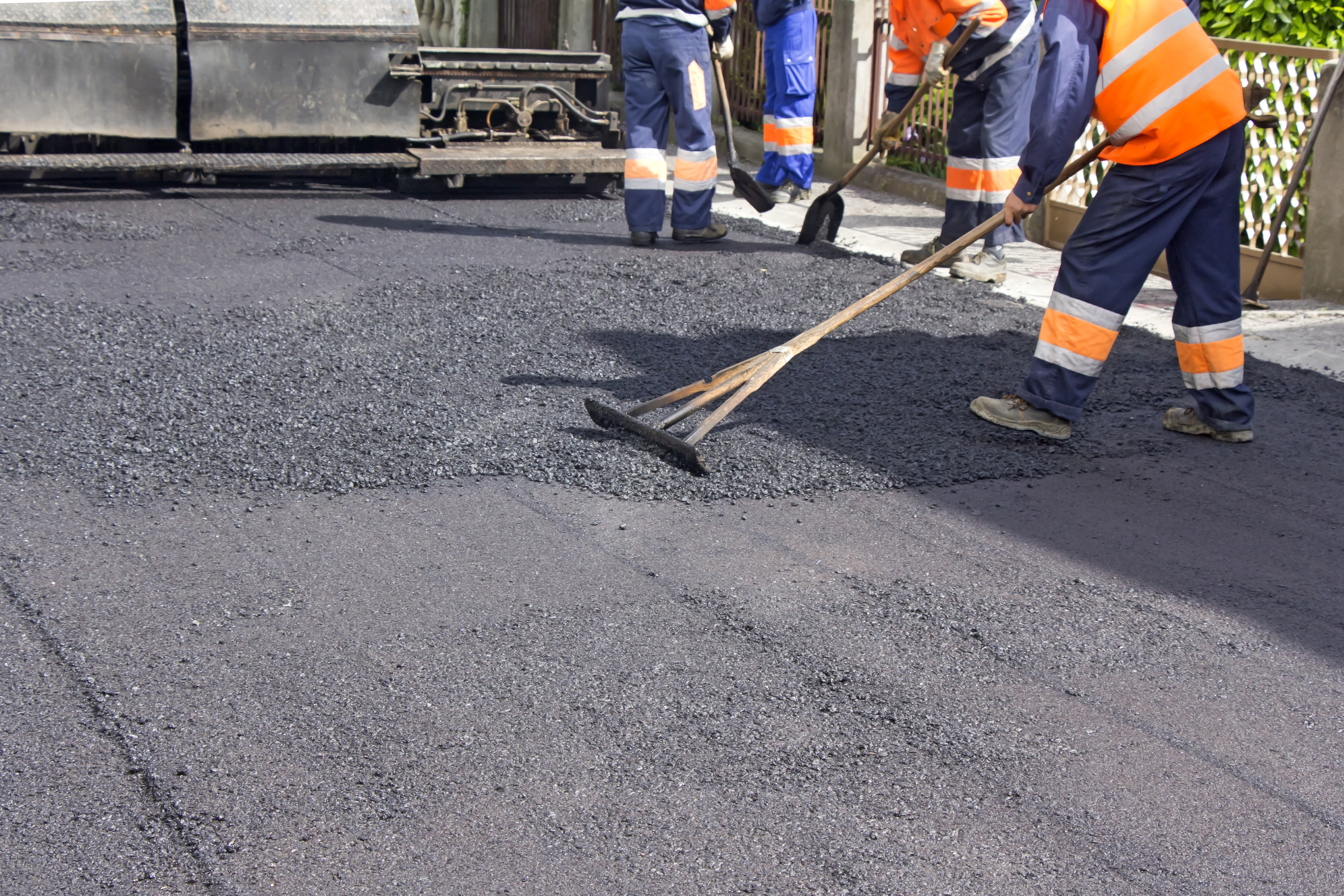
Asphalt paving offers several benefits, including cost-effectiveness and a quick installation process. It provides a durable and smooth surface, making it ideal for high-traffic areas. With proper maintenance, asphalt also offers longevity.

Costs range from $3 to $7 per square foot, depending on the area size and project scope.

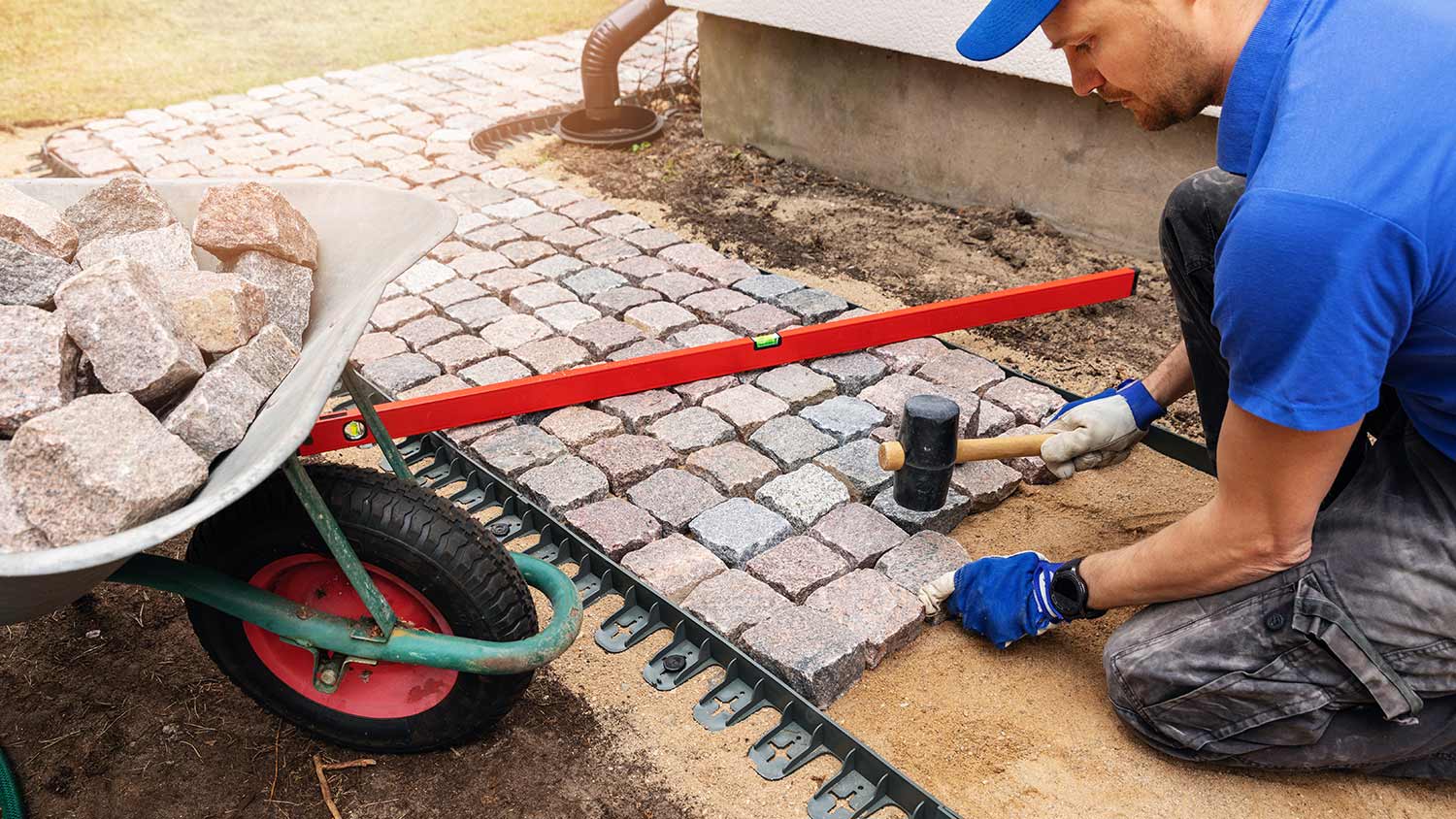
Whether you decide to DIY paver installation or want to hire a pro, it’s smart to understand the process. First, you’ll need to prepare the area by clearing away grass and dirt. Next, you’ll add the paver base of gravel and sand before laying the pavers on top. You may need to cut pavers to fit your space or the landscaping design and add edging stones.

Asphalt and tarmac are not the same thing. Traditional tarmac, short for tarmacadam, uses tar as a binder to hold crushed stone together. Asphalt uses bitumen—a byproduct of crude oil—to bind aggregate. Though tarmac was once a go-to for roads, asphalt has become the modern standard. And these days, most surfaces referred to as “tarmac” are actually asphalt. So, while the names may overlap, the key distinction lies in the binder—tar for tarmac and bitumen for asphalt.

The Winchester, IN homeowners’ guide to paving services

From average costs to expert advice, get all the answers you need to get your job done.