

Top-rated paving pros.

Get matched with top paving pros in Greens Fork, IN

Enter your zip and get matched with up to 5 pros

Need a pro for your paving service project in Greens Fork, IN?

Select your specific project to find the pro for you.

Find Paving pros in Greens Fork

Avatar for Hale's Dirty Work, LLC
Hale's Dirty Work, LLC
5.0(
10
)
Gravel or Loose Fill Paving - Install, Spread or Scrape

Serving Greens Fork, IN and surrounding areas

Approved

In business since 2022

Free estimates

Small jobs welcome

"Jaron did a great job! Couldnâ t be happier with the work he did for us. Heâ s a professional, takes the time to makes sure the job is done right and did even more than what we expected for a great price. I would highly recommend him for irrigation or landscaping. Thank you very much!"
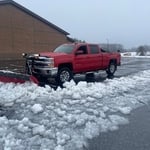
Random Dirty Work
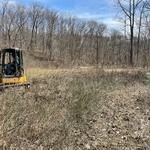
Land clearing food plots
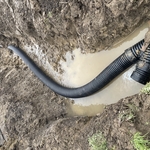
Field tile repair
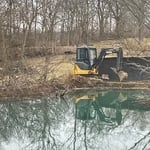
Pond repair
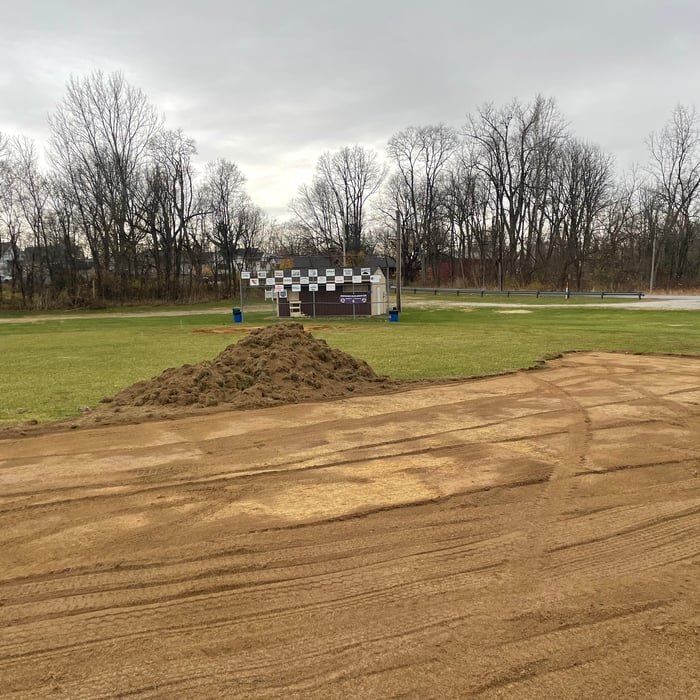
Making of baseball field

+27

Response time8 hrs
Response rate93%
9 neighbors recently requested a quote

...
Showing 1-10 of 56
Paving Services questions, answered by experts

Asphalt and tarmac are not the same thing. Traditional tarmac, short for tarmacadam, uses tar as a binder to hold crushed stone together. Asphalt uses bitumen—a byproduct of crude oil—to bind aggregate. Though tarmac was once a go-to for roads, asphalt has become the modern standard. And these days, most surfaces referred to as “tarmac” are actually asphalt. So, while the names may overlap, the key distinction lies in the binder—tar for tarmac and bitumen for asphalt.

Asphalt dries and cures best between 50 and 85 degrees Fahrenheit. This range allows moisture to evaporate quickly without causing the asphalt to cool too fast, which can negatively affect the drying process. However, keep in mind that other weather conditions can also affect curing and drying times, such as precipitation and humidity.
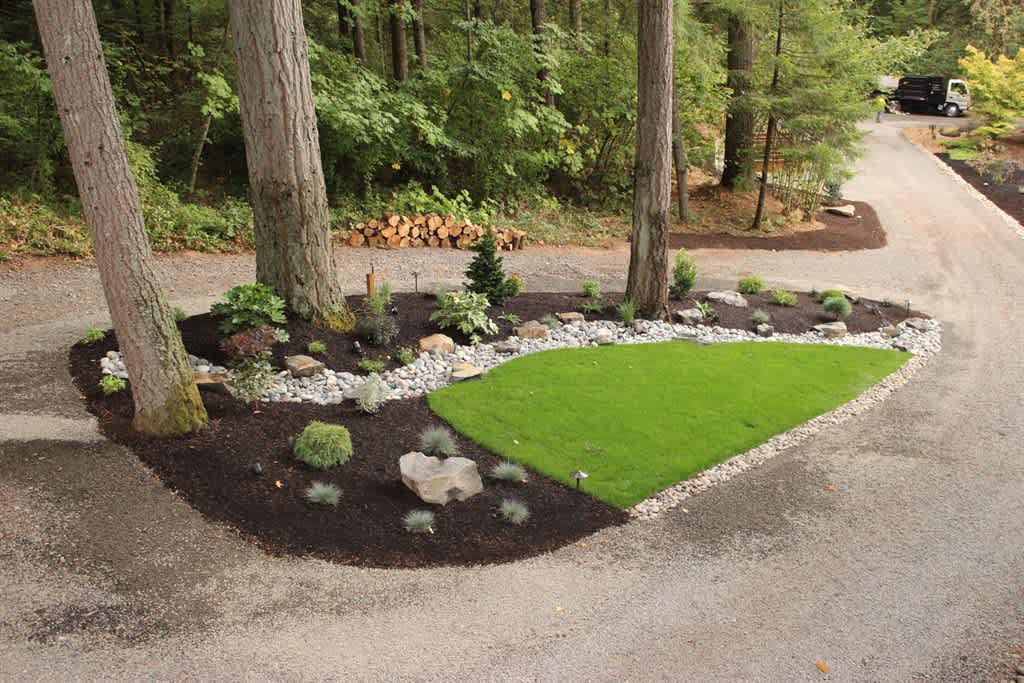
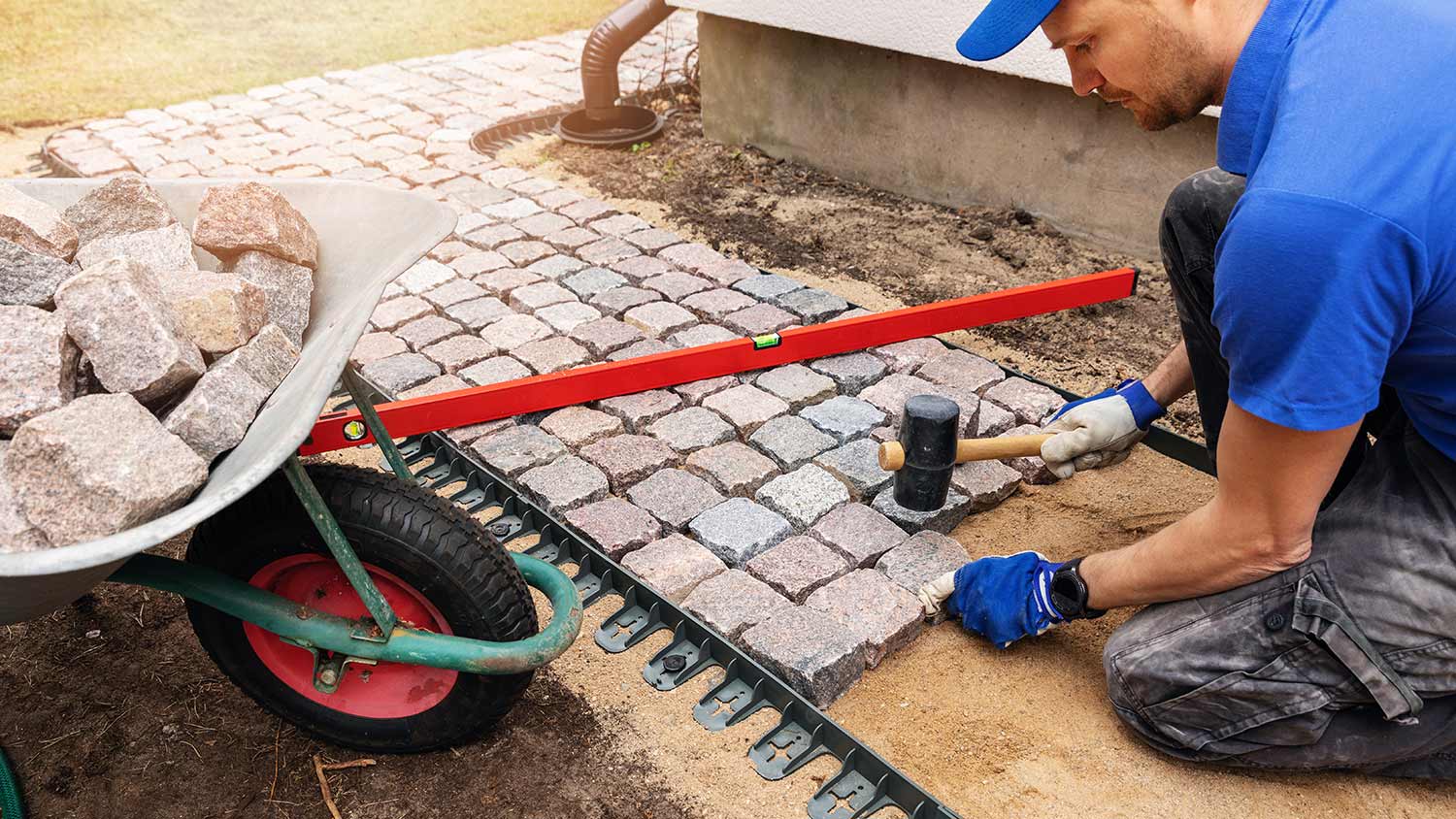
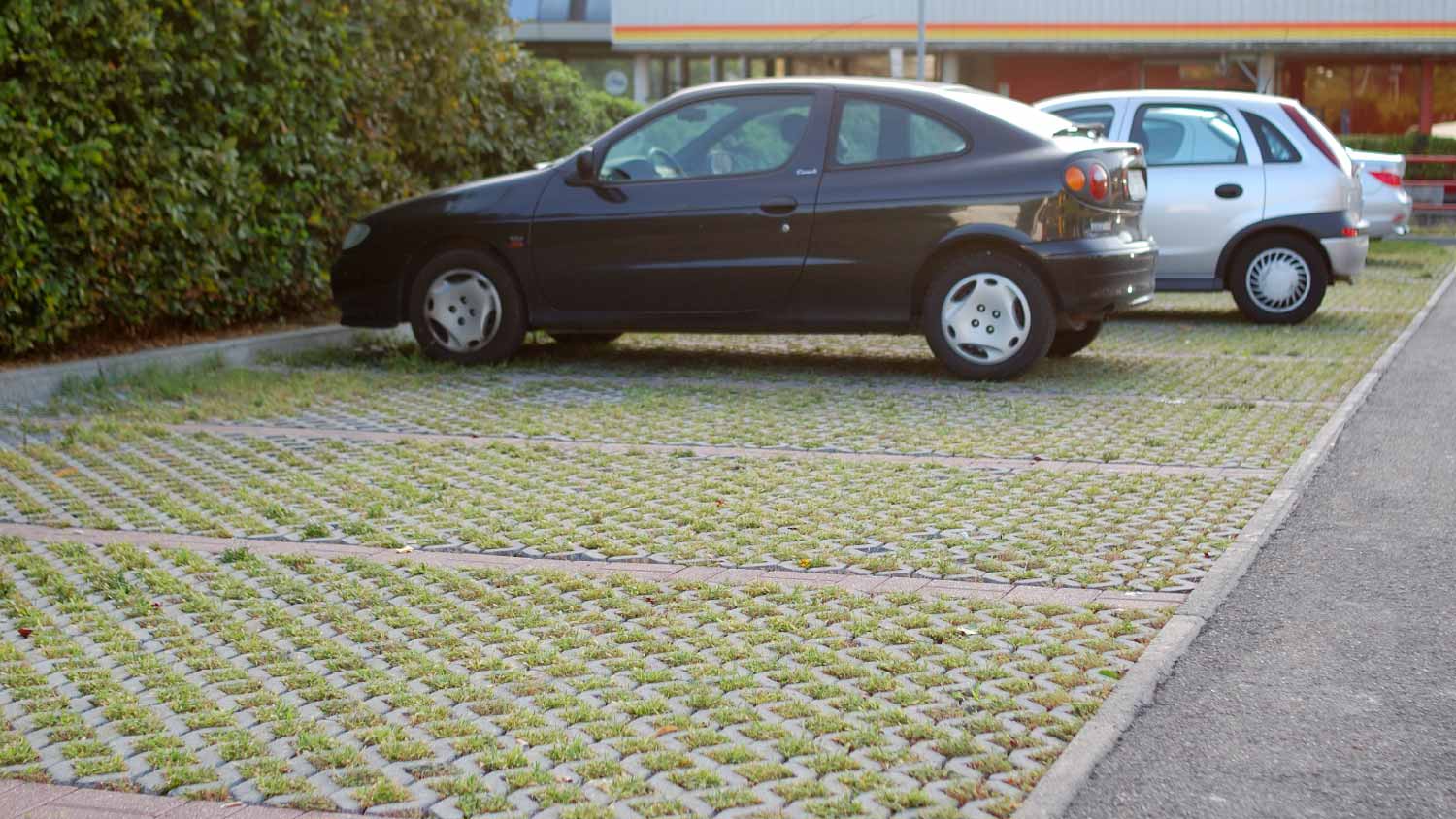
Professional installers often include a deep layer of crushed gravel under permeable pavers to allow more runoff to soak through into the soil below. Many installations will include multiple layers of gravel, with coarser aggregate at the base and finer aggregate that sits on top of that bottom layer. Above the gravel, you’ll often find coarse sand that helps reduce paver shifting over time. Some permeable paver designs include a water collection system set into the gravel layer to route runoff to a safe area for disposal.

The layer of polymeric sand under the pavers plus the polymeric sand that gets swept into the joints between your pavers holds them in place in a few ways. For one, the gritty texture of the sand helps lock the pavers together. Polymeric sand also contains bonding agents that get activated by water. Polymeric sand will take between 24 and 48 hours to fully cure, so do not walk on your paver walkway before this time.

You should place a layer of thick landscaping fabric directly over the concrete slab and then a thin layer of leveling sand over that to protect the pavers from moisture. For border pavers, you should plan on locking them in place with polyurethane adhesive. This will prevent them from shifting under foot traffic.

The Greens Fork, IN homeowners’ guide to paving services

From average costs to expert advice, get all the answers you need to get your job done.