






Top-rated paving pros.

Best paving pros near Eaton, IN

Enter your zip and get matched with up to 5 pros

Need a pro for your paving service project in Eaton, IN?

Select your specific project to find the pro for you.

TRUSTED BY EATON, IN HOMEOWNERS

  • Average homeowner rating star icon4.4
    Average homeowner rating
  • Verified reviews icon23
    Verified paving services reviews

Top-Rated Paving pros in Eaton - Updated Nov 2026

Avatar for American EarthWorks
American EarthWorks
5.0(
8
)
Gravel or Loose Fill Paving - Install, Spread or Scrape

Serving Eaton, IN and surrounding areas

Approved

In business since 2022

Free estimates

Credit card accepted

"We had such a great experience! They made room in their busy schedule & went above and beyond to create my vision & meet my crazy deadline. I will definitely be hiring them again for more landscaping projects!"
Response time5 hrs
Response rate91%
Recommended by100%of homeowners

...
Showing 1-10 of 65
Paving Services FAQs, answered by experts

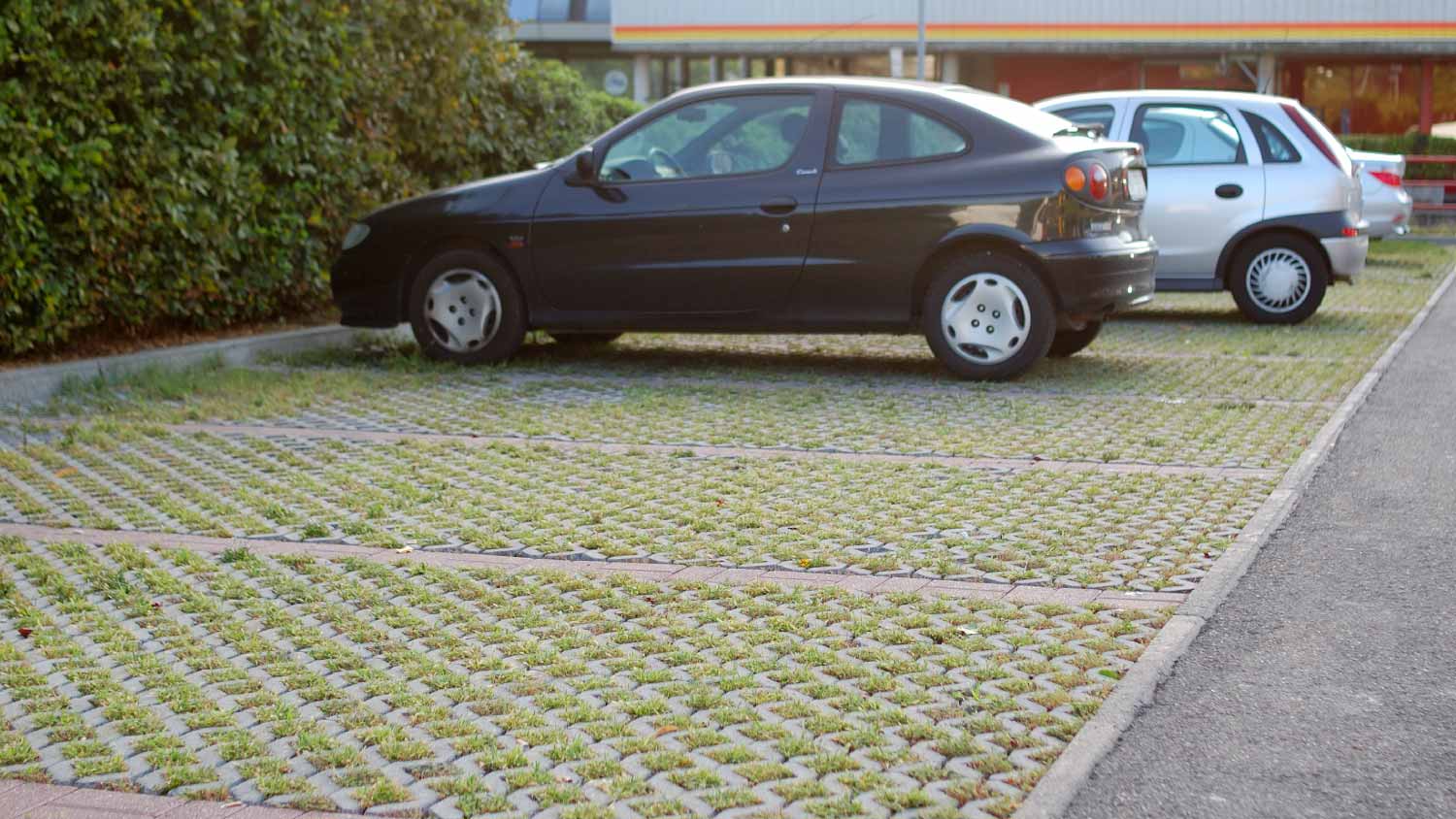
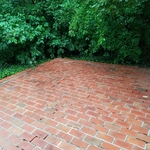
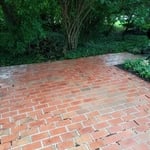
If you're designing a new patio in an area with poor drainage, permeable pavers made from porous materials may help prevent water issues. Most permeable pavers feature a gravel-only aggregate base instead of a concrete base to allow water to flow through instead of getting trapped. While beneficial in some cases, permeable pavers come with higher initial costs and greater load-bearing limitations compared to traditional pavers.
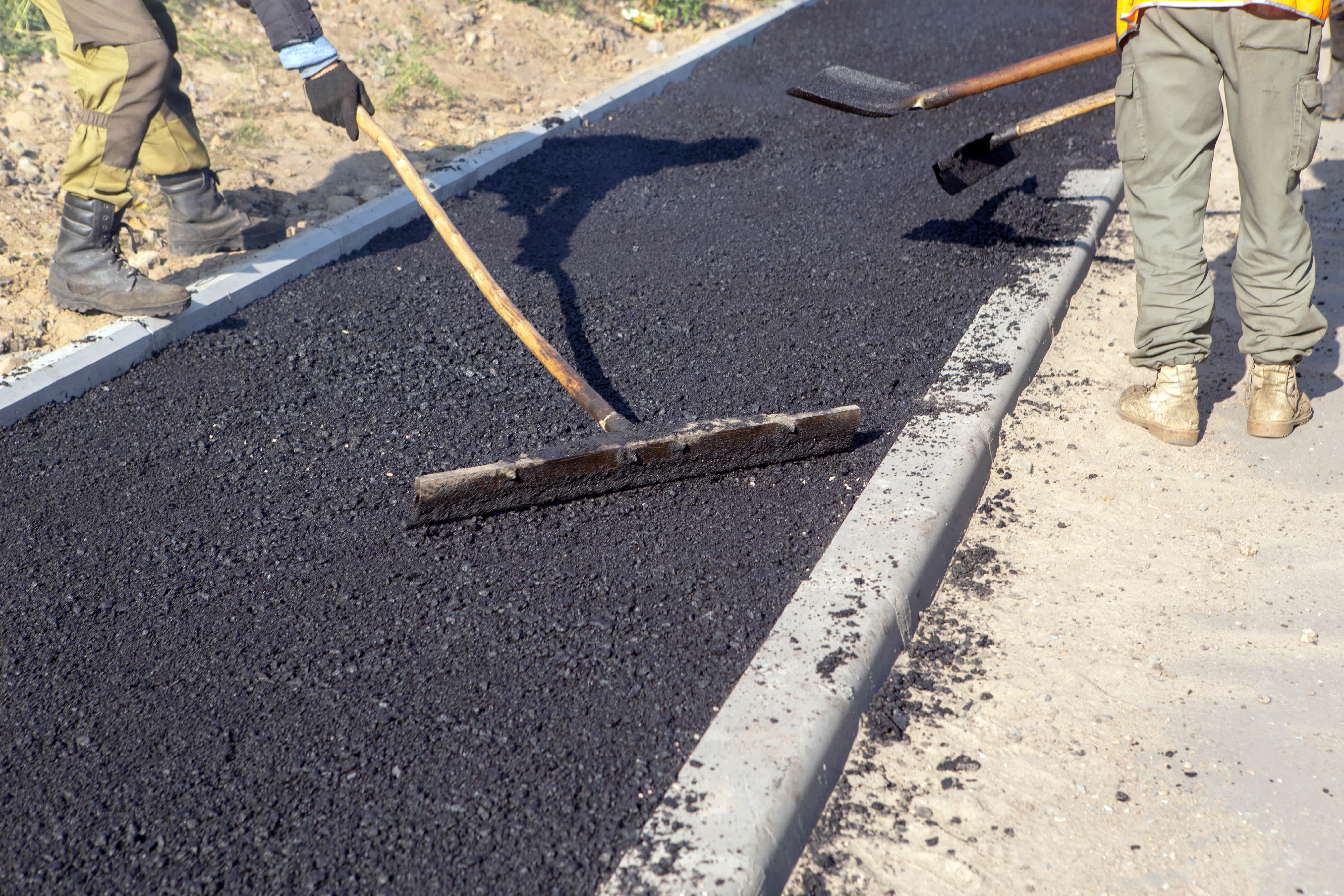
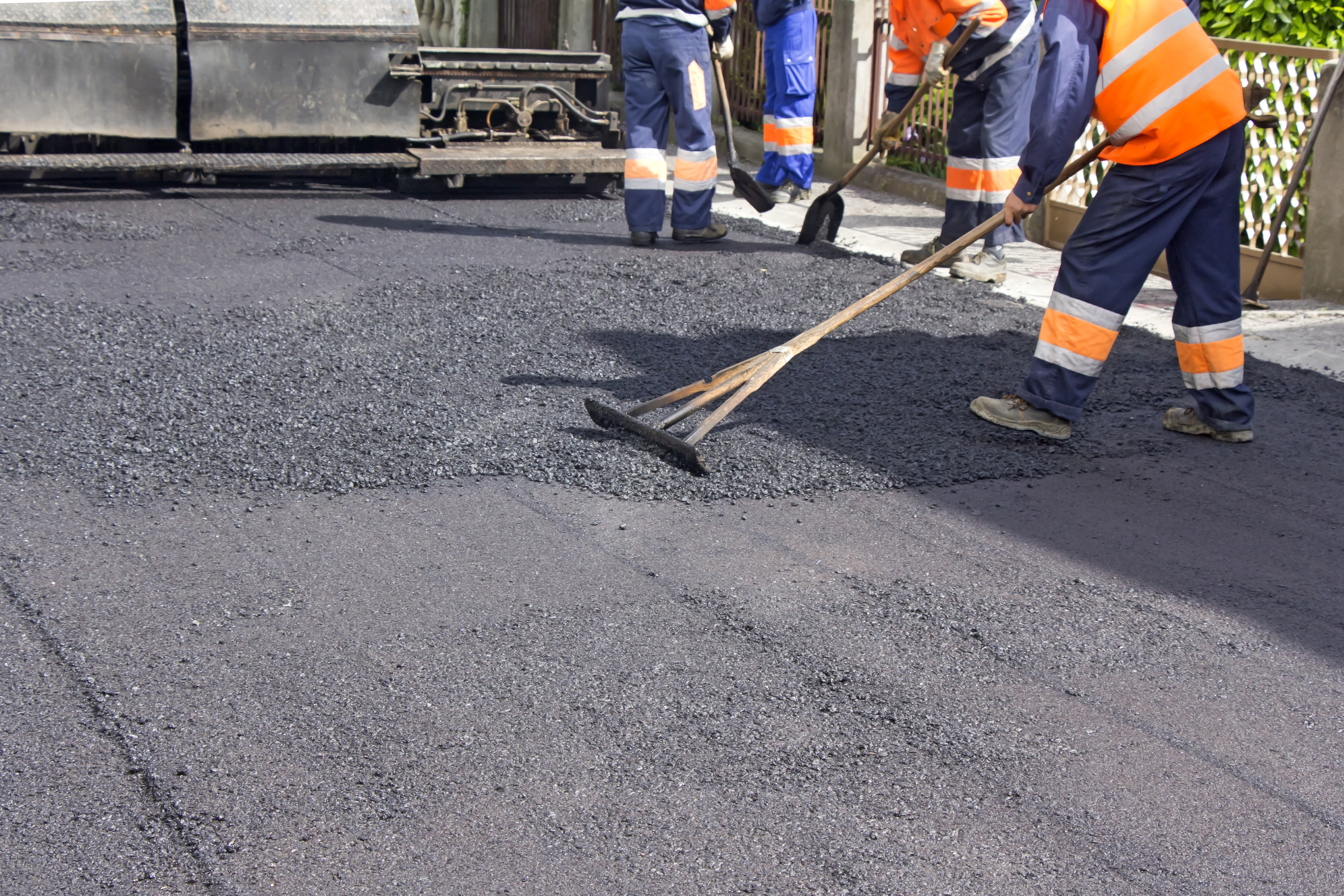
Asphalt and tarmac are not the same thing. Traditional tarmac, short for tarmacadam, uses tar as a binder to hold crushed stone together. Asphalt uses bitumen—a byproduct of crude oil—to bind aggregate. Though tarmac was once a go-to for roads, asphalt has become the modern standard. And these days, most surfaces referred to as “tarmac” are actually asphalt. So, while the names may overlap, the key distinction lies in the binder—tar for tarmac and bitumen for asphalt.

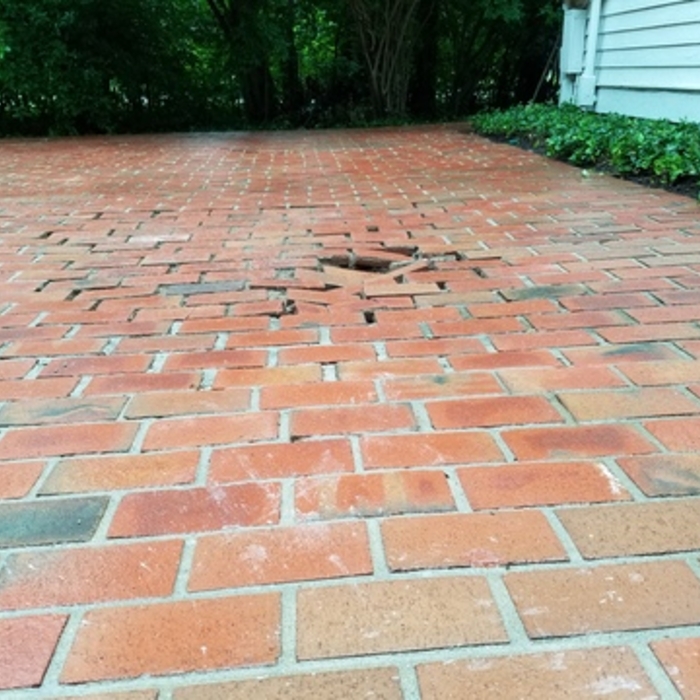
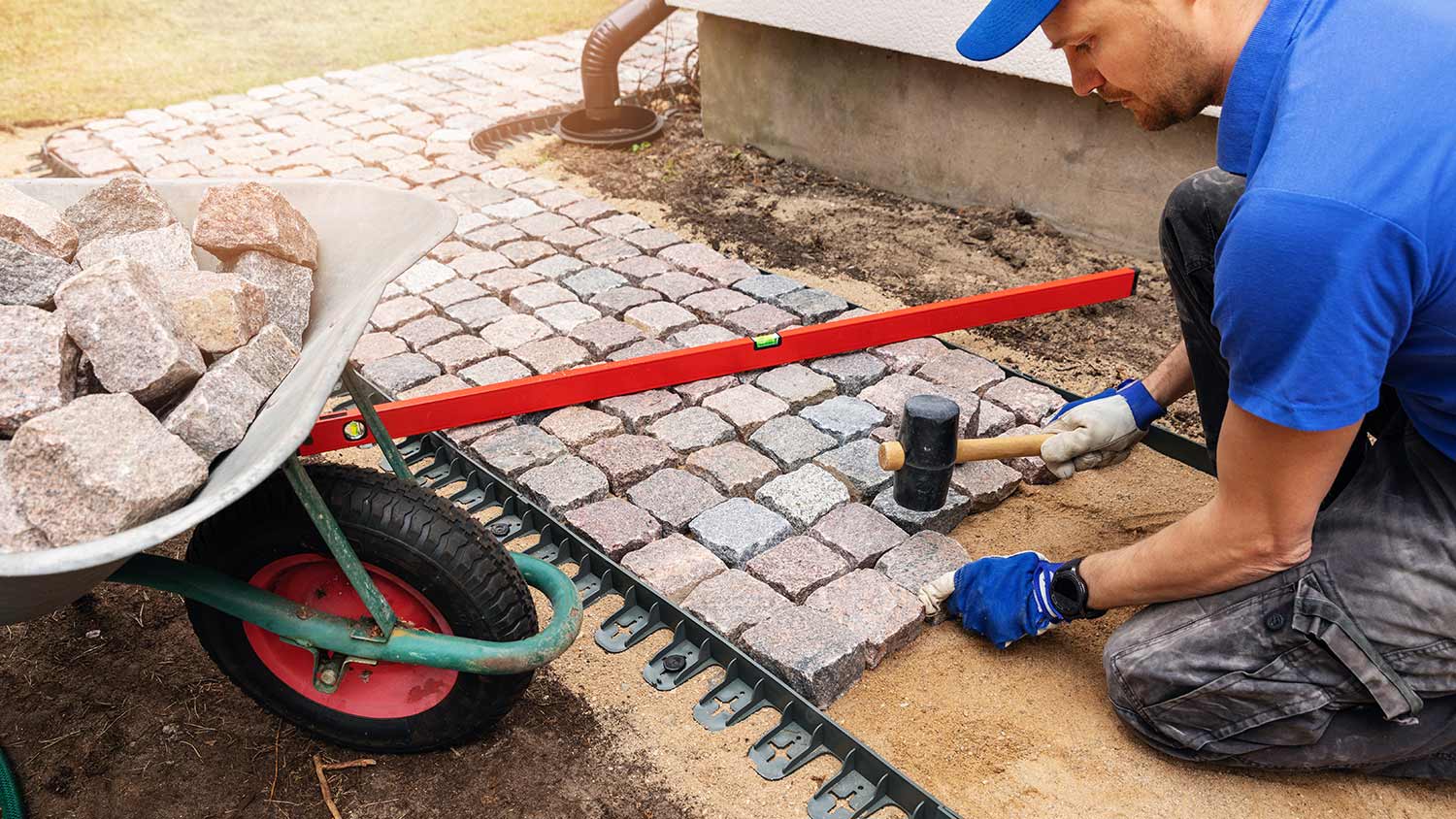
The best way to stop your pavers from sinking is to ensure you've properly compacted the base layers. Use your paver compactor and work over the base layer several times to create the hardest possible base. If the soil and sand of your base are compact, you’ll experience less shifting and sinking.

Yes, you can put thin pavers over a concrete driveway. However, it's always best to talk to a driveway installer before starting. You'll need to ensure that the concrete below is in good enough shape to hold the pavers and that the driveway will still meet local building codes.

If pavers are uneven but not sunken, lift the affected bricks and check the bedding sand underneath. In many cases, simply smoothing out or adjusting the sand is enough to level them. Add or remove small amounts as needed, then press the pavers back into place and tap them with a mallet until they sit evenly with the surrounding surface.

The Eaton, IN homeowners’ guide to paving services

From average costs to expert advice, get all the answers you need to get your job done.