



Top-rated paving pros.

Get matched with top paving pros in Albany, IN

Enter your zip and get matched with up to 5 pros

Need a pro for your paving service project in Albany, IN?

Select your specific project to find the pro for you.

Find Paving pros in Albany

Avatar for American EarthWorks
American EarthWorks
5.0(
8
)
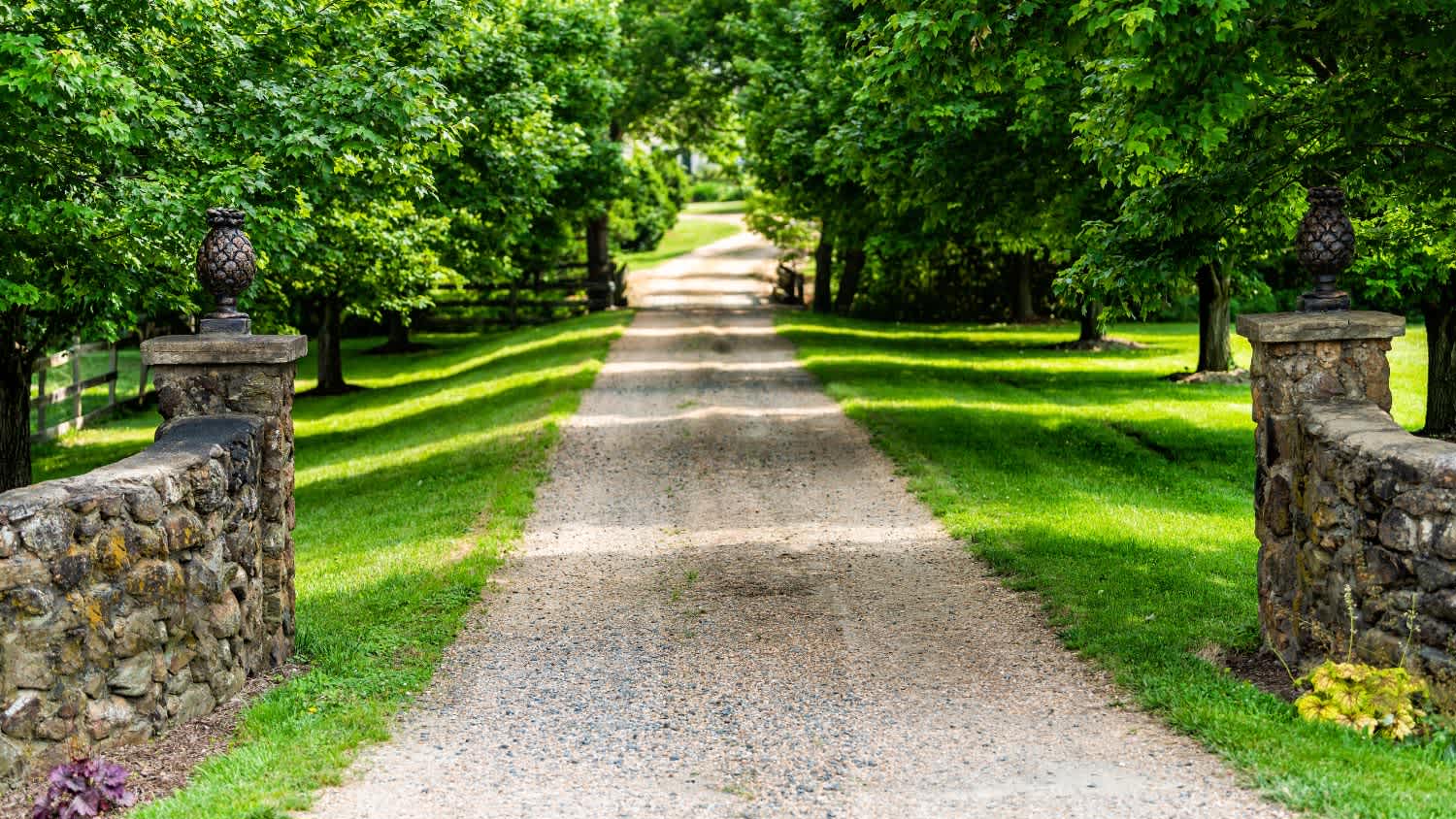
Gravel or Loose Fill Paving - Install, Spread or Scrape

Serving Albany, IN and surrounding areas

Approved

In business since 2022

Free estimates

Credit card accepted

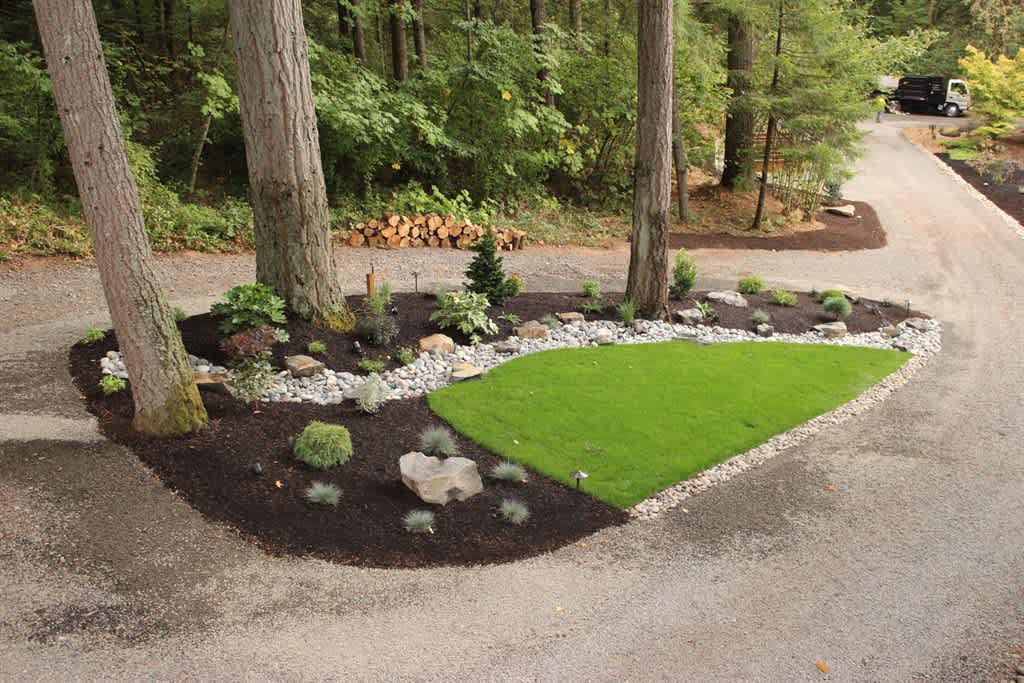
"We had such a great experience! They made room in their busy schedule & went above and beyond to create my vision & meet my crazy deadline. I will definitely be hiring them again for more landscaping projects!"
Response time5 hrs
Response rate91%
Recommended by100%of homeowners
Avatar for Bailey's Hardscape the Paver Pro
Bailey's Hardscape the Paver Pro
4.1(
12
)
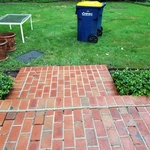
Interlocking Pavers for Patios, Walks & Steps - Install

Serving Albany, IN and surrounding areas

In business since 2015

Free estimates

Warranties offered

"Chester Bailey was a perfectionist and his plan was just what we requested. It was finished in a professional and timely manner. We will use the Paver Pro again and highly recommend him."
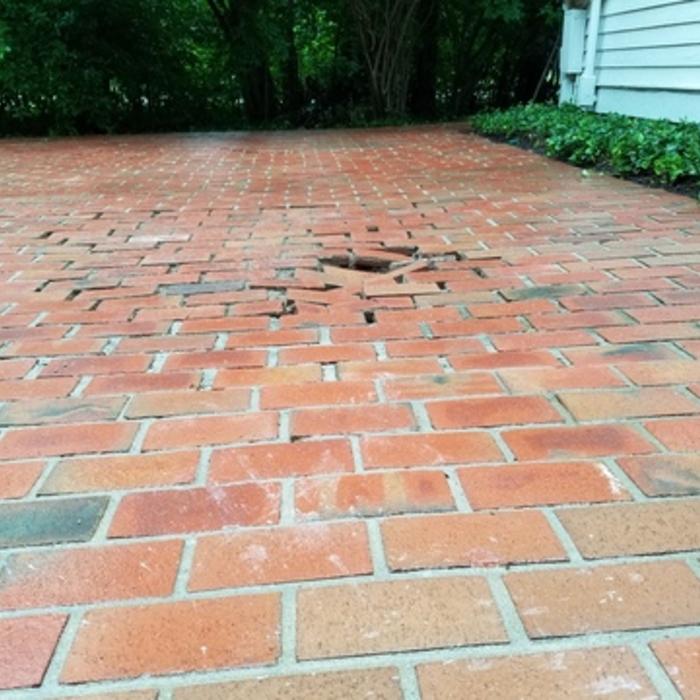
Birge patio reconditionin

+63

Response time3 hrs
Response rate85%
Recommended by88%of homeowners
Avatar for Wright Asset Solutions
Wright Asset Solutions
5.0(
5
)
Interlocking Pavers for Patios, Walks & Steps - Install

Serving Albany, IN and surrounding areas

Free estimates

Emergency services offered

Credit card accepted

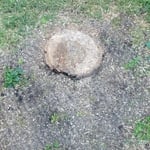
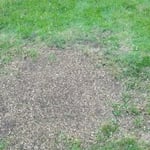
"Outstanding service and quality of work from Wright Asset Solutions! We had one giant stump and several other midsized and smaller stumps all over our 10 acre property that needed to be removed. Also needed some pruning work done on several trees - the project was tacked with speed and expertise. Price was fair and stumps are gone and trees are pruned! This company gets my highest recommendation! Thank you."
36 inch diameter ash on hill side.
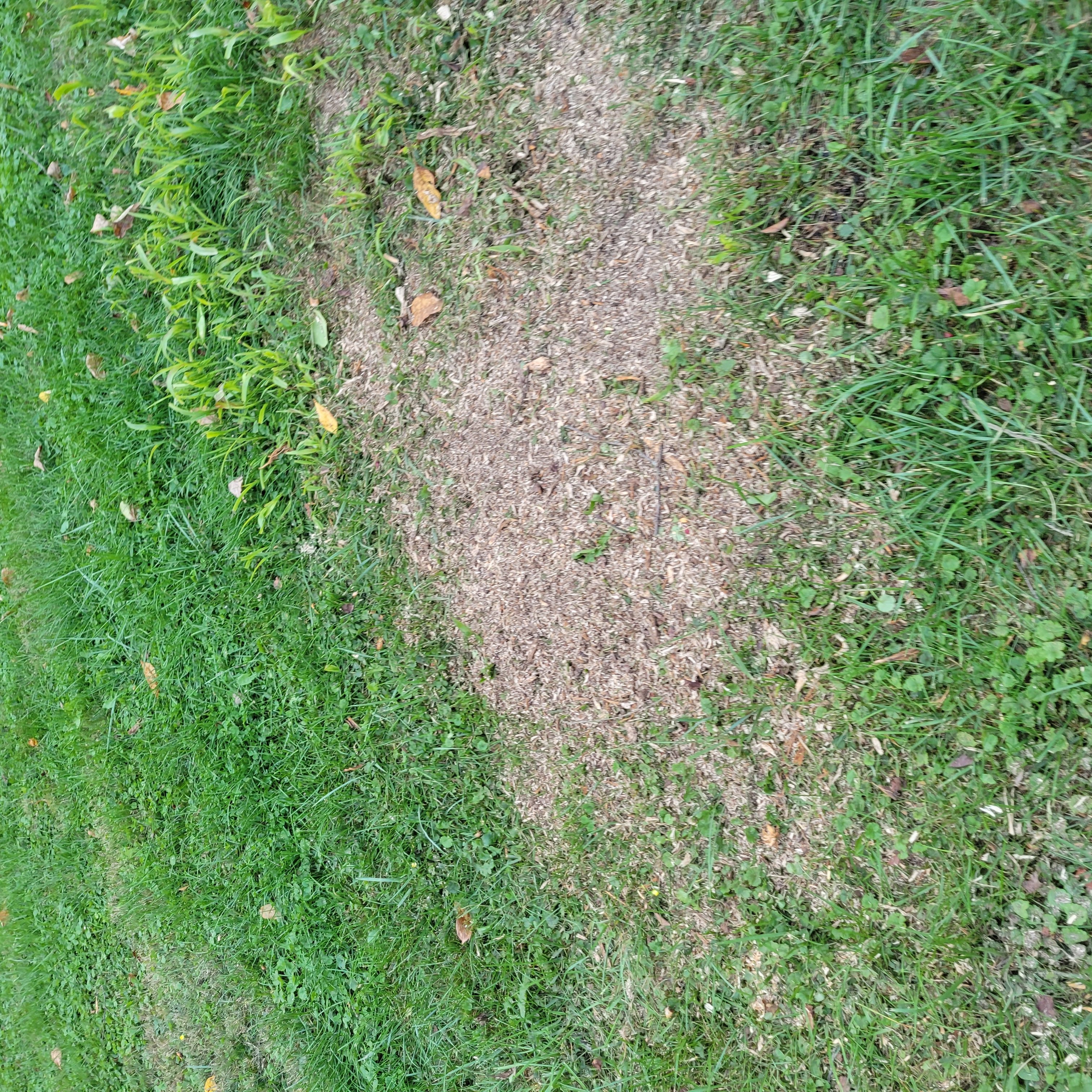
Stump Grinding
Stump Grinding
Stump Grinding
Recommended by100%of homeowners
...
Showing 1-10 of 59
Paving Services questions, answered by experts

You can pour concrete over asphalt if it’s in good condition, thick, stable, and well-compacted. Concrete is more durable than asphalt and can extend the lifetime of your driveway without having to pay frequent asphalt driveway repair costs or replace it completely. 

But this is best reserved as a temporary solution based on budget restraints, as asphalt requires more frequent repairs and assessments than concrete. Once that concrete top is poured, it’ll be harder to accurately understand what’s happening beneath that layer, which could lead to more issues.

Asphalt and tarmac are not the same thing. Traditional tarmac, short for tarmacadam, uses tar as a binder to hold crushed stone together. Asphalt uses bitumen—a byproduct of crude oil—to bind aggregate. Though tarmac was once a go-to for roads, asphalt has become the modern standard. And these days, most surfaces referred to as “tarmac” are actually asphalt. So, while the names may overlap, the key distinction lies in the binder—tar for tarmac and bitumen for asphalt.

The best way to stop your pavers from sinking is to ensure you've properly compacted the base layers. Use your paver compactor and work over the base layer several times to create the hardest possible base. If the soil and sand of your base are compact, you’ll experience less shifting and sinking.
The ideal distance between stepping stones depends on your design preference. A general rule is to place them about 24 inches apart from center to center to match an average person's stride. Another common approach is to leave about 6 inches of space between the edges of each stone; this can be adjusted to fit the path's total length without cutting pavers. If you plan to plant between the stones, leave at least 6 to 8 inches of space to give the plants room to grow.

Wet cutting is usually the preferred method. It controls dust, which helps protect your lungs and makes for a cleaner working environment. Plus, the water cools the blade, preventing overheating and prolonging its life while providing smoother, more precise cuts. The downside is the mess—water and asphalt sludge can be messy to clean. Dry cutting, though convenient if water isn’t available, creates a lot of dust, which can be harmful. This also increases the risk of blade damage due to overheating. So, if you have the option, wet cutting is the better method for most asphalt jobs.

The Albany, IN homeowners’ guide to paving services

From average costs to expert advice, get all the answers you need to get your job done.