


Top-rated paving pros.

Get matched with top paving pros in Centerville, IN

Enter your zip and get matched with up to 5 pros

Need a pro for your paving service project in Centerville, IN?

Select your specific project to find the pro for you.

Find Paving pros in Centerville

Avatar for Hale's Dirty Work, LLC
Hale's Dirty Work, LLC
5.0(
10
)
Gravel or Loose Fill Paving - Install, Spread or Scrape

Serving Centerville, IN and surrounding areas

Approved

In business since 2022

Free estimates

Small jobs welcome

"Jaron did a great job! Couldnâ t be happier with the work he did for us. Heâ s a professional, takes the time to makes sure the job is done right and did even more than what we expected for a great price. I would highly recommend him for irrigation or landscaping. Thank you very much!"
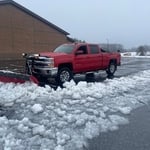
Random Dirty Work
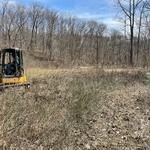
Land clearing food plots
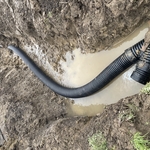
Field tile repair
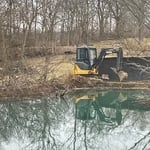
Pond repair
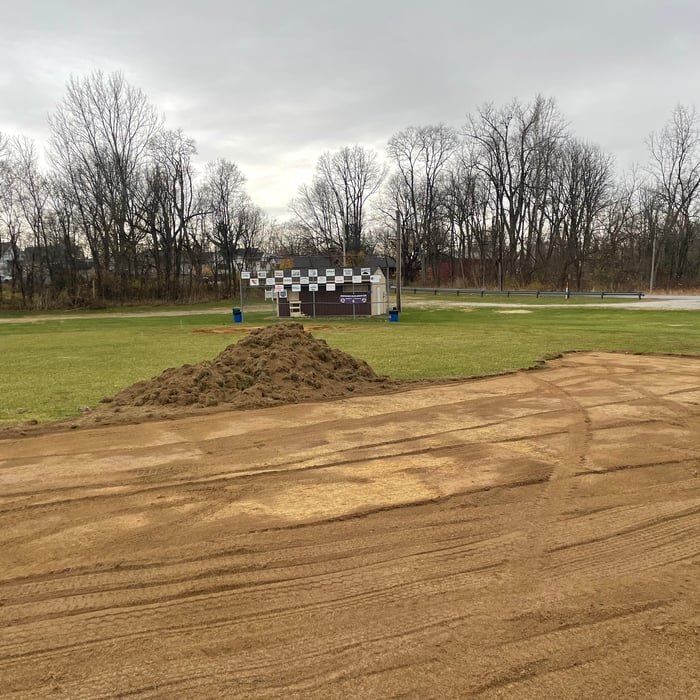
Making of baseball field

+27

Response time8 hrs
Response rate93%
9 neighbors recently requested a quote

Avatar for Hoosier Dirt and Gravel LLC
Hoosier Dirt and Gravel LLC
5.0(
4
)
Gravel or Loose Fill Paving - Install, Spread or Scrape

Serving Centerville, IN and surrounding areas

In business since 2025

Free estimates

Emergency services offered

"Travis, the owner, came to my home for an estimate and explained the process that we needed to go through to fix our driveway. He gave suggestions on materials and equipment. As a young man I spent summers working excavation for my Grandfather, knowing what I learned from him I believe Travis knows what he is doing. We plan to have him come back soon to start the work."
Response time11 hrs
Response rate100%
...
Showing 1-10 of 59
Paving Services questions, answered by experts

If you notice minor cosmetic problems with your driveway, you should seal it. Look out for cracks and holes on the surface, faded asphalt or concrete, and stains from oil and other chemicals. Replacing your driveway may be necessary if you’re dealing with significant problems—¼-inch cracks, large potholes, and puddles from drainage issues. The cost to install an asphalt driveway typically ranges between $4,200 and $9,000, significantly more than resealing. Consider talking to a professional to discuss whether resurfacing your driveway—a midway project between resealing and replacing—is a better option for you.

A driveway's lifespan varies by material. Asphalt driveways typically last 15 to 30 years, while concrete driveways last longer, between 20 and 50 years. The longevity of any driveway is affected by factors like extreme temperatures, heavy traffic, and the quality of maintenance. Regular upkeep, such as filling cracks, resealing the surface, and ensuring proper drainage, can help extend its life. For gravel driveways, regrading to fill in uneven areas every year or two is recommended.

Asphalt and tarmac are not the same thing. Traditional tarmac, short for tarmacadam, uses tar as a binder to hold crushed stone together. Asphalt uses bitumen—a byproduct of crude oil—to bind aggregate. Though tarmac was once a go-to for roads, asphalt has become the modern standard. And these days, most surfaces referred to as “tarmac” are actually asphalt. So, while the names may overlap, the key distinction lies in the binder—tar for tarmac and bitumen for asphalt.

Compared to options like concrete, asphalt, and pavers, resin driveways are far more flexible. As a result, they are more durable against chipping and cracking. Their bonded surface allows them to withstand extreme cold and heat without succumbing to the warping or cracking caused by freeze-thaw cycles. In addition, resin driveways are easy to clean and maintain.

While blacktop is a type of asphalt, the terms should not be used interchangeably, as not all asphalt qualifies as blacktop. The primary differences are in their composition, production process, and ideal applications. Blacktop contains more stone than other types of asphalt and is heated to a higher temperature during production—300°F or more—while hot-mix asphalt is heated to between 275°F and 300°F. The ratio of bitumen (a tar-like crude oil) is a key differentiator, though sources vary: some state blacktop has less bitumen, making it less durable, while others claim it has a higher ratio. Due to these differences, asphalt is generally more durable and better for high-traffic areas like highways and streets, while blacktop is more suitable for playgrounds and residential driveways. For a driveway project, it is best to consult a professional to determine the most appropriate material.

The Centerville, IN homeowners’ guide to paving services

From average costs to expert advice, get all the answers you need to get your job done.