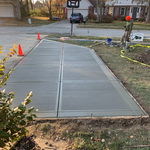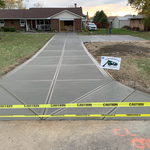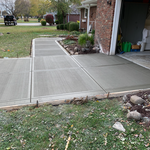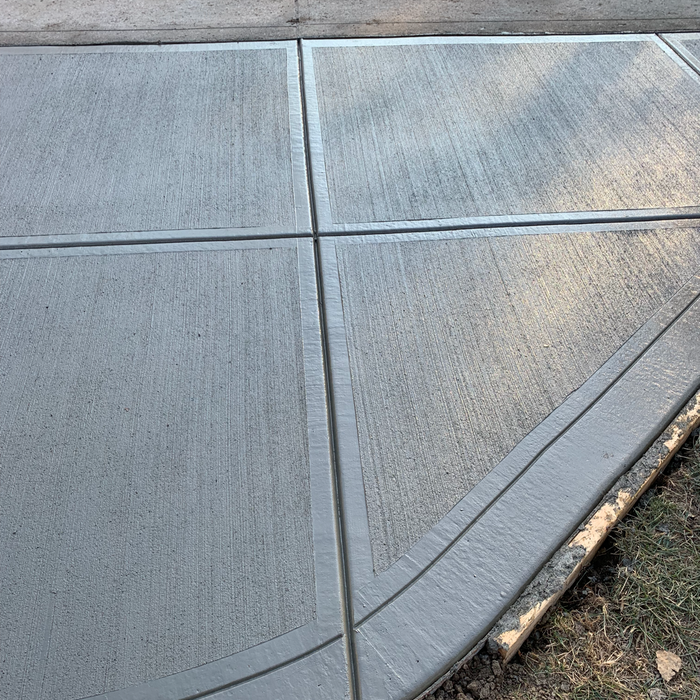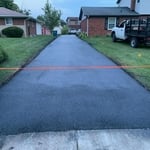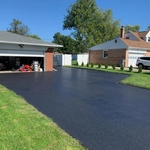

Top-rated asphalt driveway pros.

Best asphalt driveway pros near Eaton, IN

Enter your zip and get matched with up to 5 pros

Need a pro for your asphalt driveway service project in Eaton, IN?

Select your specific project to find the pro for you.

TRUSTED BY EATON, IN HOMEOWNERS

  • Average homeowner rating star icon3.8
    Average homeowner rating
  • Verified reviews icon12
    Verified asphalt driveway services reviews

Top-Rated Asphalt driveway pros in Eaton - Updated Nov 2026

Avatar for Sotos Concrete LLC
Sotos Concrete LLC
5.0(
14
)
Concrete Driveways - InstallConcrete Driveways & Floors - Install- For Business

Serving Eaton, IN and surrounding areas

Approved

In business since 2019

Free estimates

Warranties offered

"Excellent finished project! Frank is very professional, explains every detail as it goes to plan. Returns phone calls and texts immediately. Would highly recommend Frank and his company! First class business!!!"
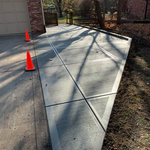
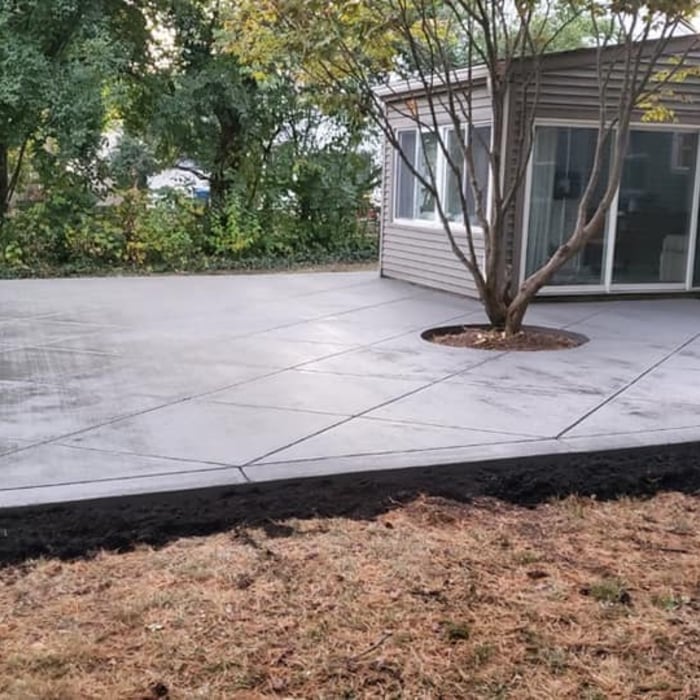
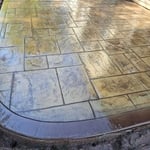
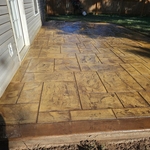
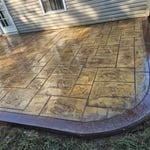
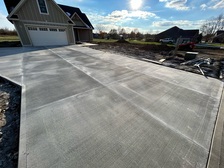
Additional Photos
Additional Photos
Additional Photos
Additional Photos
Additional Photos

+96

Response time1 day
4 neighbors recently requested a quote
Recommended by90%of homeowners

Avatar for Silvers Concrete and Paving, LLC
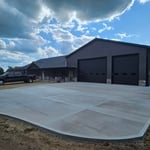
Silvers Concrete and Paving, LLC

4.2(
12
)
Concrete Driveways - Install
Serving Eaton, IN and surrounding areas

Approved

In business since 2018

Free estimates

Warranties offered

"The approach to the road they poured for us is beautiful, but it wasn’t quite angled properly for the existing driveway. That is the reason for docking half a star. Now our drive looks like it has a kink in it. Other than that we are happy with it. Haven’t been able to drive on it yet since we are still in the 21-day waiting period."
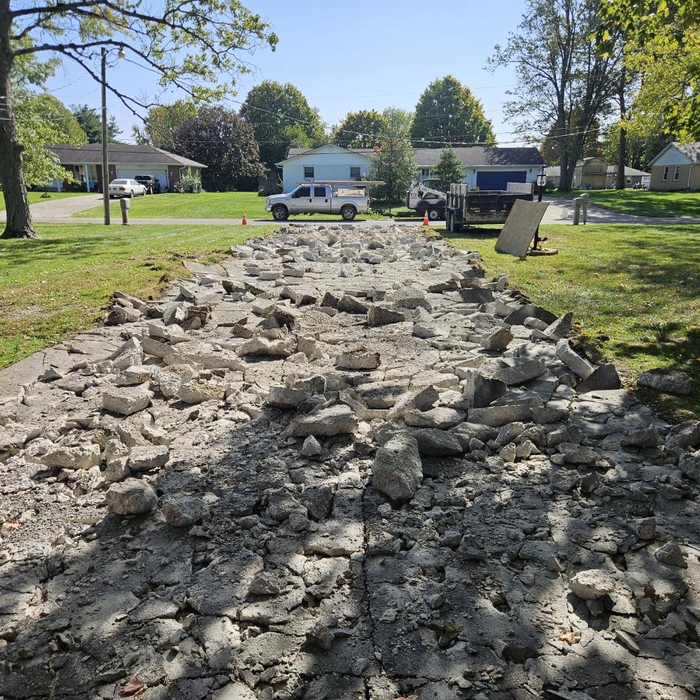
Driveway
Driveway
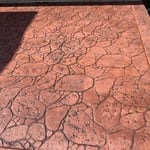
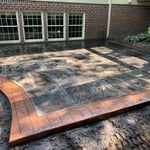
Stamped Patio
Stamped Patio
Brushed Patio

+2

Response time4 hrs
Response rate96%
2 neighbors recently requested a quote
...
Showing 1-10 of 122
Asphalt Driveways FAQs, answered by experts

Several materials are suitable for steep driveways. Gravel and crushed stone are affordable options that provide good traction. Permeable pavers—such as plastic, rubber, or concrete—filled with gravel or crushed stones are also excellent, as they allow water to drain without causing erosion and perform well in ice and snow. Another option is resin, which can be coated with an anti-slip finish and helps prevent puddles. For added stability, you can install a retaining wall to prevent pavers and gravel from shifting over time.

Asphalt and tarmac are not the same thing. Traditional tarmac, short for tarmacadam, uses tar as a binder to hold crushed stone together. Asphalt uses bitumen—a byproduct of crude oil—to bind aggregate. Though tarmac was once a go-to for roads, asphalt has become the modern standard. And these days, most surfaces referred to as “tarmac” are actually asphalt. So, while the names may overlap, the key distinction lies in the binder—tar for tarmac and bitumen for asphalt.

Gravel is the most economical and least expensive driveway material, costing between $1 and $3 per square foot. This is significantly cheaper than alternatives like asphalt or concrete. However, it's important to consider long-term costs, as gravel driveways require regular maintenance. You will likely need to add new gravel filling once or twice a year and regularly rake it to keep it level, which can add to the overall cost over time.

New asphalt goes through two stages: drying and curing. Drying typically takes 24 to 72 hours, after which the surface is solid enough for light use like walking or careful driving. While you may be able to park on it after 72 hours, the surface is still soft and should be treated gently. Full curing is a much longer process, taking anywhere from 30 days to a full year for the asphalt to reach maximum strength. During this extended curing period, the asphalt is susceptible to damage from heavy vehicles, sharp objects, and high temperatures. Factors like weather, the specific asphalt mix, and application thickness all influence drying and curing times. For the most accurate timeline and to ensure the longevity of your new asphalt, it is always best to consult with your installation contractor for their specific recommendations.

The three most common types of asphalt are hot asphalt, MC cold mix, and UPM asphalt. Hot asphalt is used most often for paving and patching roadways while it’s hot and workable. MC cold mix asphalt cures more slowly than hot asphalt, but it can be used for temporary patches and repairs in low-traffic areas. UPM is also used cold, but it can be used as a longer-term fix, usable in almost any conditions at almost any temperature.

The Eaton, IN homeowners’ guide to asphalt driveway services

From average costs to expert advice, get all the answers you need to get your job done.