





Top-rated fire pit installation pros.

Get matched with top fire pit installation pros in Beech Grove, IN

Enter your zip and get matched with up to 5 pros

Need a pro for your fire pit installation project in Beech Grove, IN?

Select your specific project to find the pro for you.

TRUSTED BY BEECH GROVE, IN HOMEOWNERS

  • Average homeowner rating star icon4.6
    Average homeowner rating
  • Verified reviews icon627
    Verified fire pit installation services reviews

Find Fire pit installation pros in Beech Grove

No results for Fire pit installation pro in

Try adjusting your search criteria.
Fire Pit Installation questions, answered by experts

According to the National Fire Prevention Association (NFPA), the leading cause of house fires is cooking accidents, followed by fires started by heating equipment. Electrical issues are the third most common cause of house fires. The best way to keep your home protected is to use caution when cooking and never leave a stove or oven unattended while in use. You can also keep up with chimney cleaning and avoid using space heaters to reduce the risk.

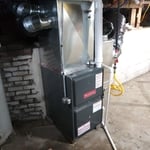
Attics often contain a mix of insulation, electrical wiring, and other materials that can pose fire risks. That’s why furnaces should be installed in the attic with proper insulation and clearance from combustible materials. Additionally, the furnace should be equipped with proper ventilation and heat shields to prevent the buildup of excessive heat in the attic space. Regular inspections and maintenance are also crucial to identify and address any potential fire hazards.

You can’t gauge the lifetime of a fire door like you could, say, an engine. Fire doors should be checked at least once every six months to ensure there are no signs of degradation like leaks, holes, water damage, termite damage, or anything else that might compromise the functionality of the door’s fire resistance. Check your smoke detectors while you’re at it.

No, but they both serve distinct life-saving purposes. Smoke detectors primarily sense the presence of smoke, typically caused by a fire, and emit loud alarms to alert occupants to evacuate. In contrast, carbon monoxide detectors monitor the levels of carbon monoxide gas, an odorless and colorless but deadly substance produced by incomplete combustion of fuels. When CO levels become dangerous, CO detectors sound alarms to warn inhabitants of potential poisoning risks. 

Yes, you should seal and cap an unused chimney to protect it from damage. Sealing the structure helps prevent moisture damage, which can lead to issues like cracks, spalling, efflorescence, and damaged mortar joints. Capping the chimney is also crucial to prevent blockages, damage from invasive critters, and downdrafts, while still allowing for proper air ventilation to manage moisture. For the best results, consult a chimney professional to select the right type of chimney or flue cap for your home. It's also wise to continue with annual chimney inspections to maintain the structure's integrity.

The Beech Grove, IN homeowners’ guide to fire pit installation services

From average costs to expert advice, get all the answers you need to get your job done.