



Top-rated drywall pros.

Get matched with top drywall pros in Bedford, IN

Enter your zip and get matched with up to 5 pros

Need a pro for your drywall service project in Bedford, IN?

Select your specific project to find the pro for you.

TRUSTED BY BEDFORD, IN HOMEOWNERS

  • Average homeowner rating star icon4.8
    Average homeowner rating
  • Verified reviews icon22
    Verified drywall services reviews

Find Drywall pros in Bedford

Avatar for TW Drywall
TW Drywall
4.9(
14
)
Drywall - InstallDrywall - Install - For BusinessDrywall - Repair+1 more

Serving Bedford, IN and surrounding areas

Approved

Super Service Award Winner

In business since 1998

Free estimates

Emergency services offered

"I reached out to TW Drywall to finish a closet/ pantry, which was a small job but that didn’t matter to Tony. TW Drywall did an excellent job. They were prompt, professional and cleaned up any mess that comes with this type of work. TW Drywall is the real deal and recommend them for your next drywall project. Thank you Tony and Dee!"
Response time1 day
Response rate88%
Recommended by28%of homeowners
Avatar for K-C Drywall and Painting
K-C Drywall and Painting
4.7(
28
)
Drywall - InstallDrywall - Install - For BusinessDrywall - Repair+1 more

Serving Bedford, IN and surrounding areas

Approved

In business since 2017

Free estimates

Customers say: Quick response

"Very easy to work with and such kind people! At the end of my Paint job, they stuck around to give me advice on a drywall project I had to do still. Their quote came in lower than others I got. I m happy!"
Bedford home remodel

+32

Response time2 days
4 neighbors recently requested a quote
Recommended by100%of homeowners
Avatar for Mendoza’s Home Improvement
Mendoza’s Home Improvement
5.0(
2
)
Drywall - InstallDrywall - Repair

Serving Bedford, IN and surrounding areas

Approved

In business since 2021

Free estimates

Credit card accepted

With over 5 years of experience, I take pride in my quality craftsmanship. We are owner operated, and believe in building long-term relationships with our clients by delivering honesty along with exceptional work. We pride our company on reliability, great communication, integrity, and customer service. We are experts in our trade and will do our best to keep you as educated as we can on your particular project. Give us a call today! We look forward to working with you!

9 neighbors recently requested a quote
...
Showing 1-10 of 80
Drywall questions, answered by experts

Drywall anchors won’t work on plaster. Instead, they will more than likely cause more damage and pull out the plaster. The best type of anchors to use on plaster walls are the ones that will bite into the surrounding area, such as molly bolts and toggle bolts. Masonry anchors with expanders on the sides also work for lighter pictures.

Although they have similar applications, spackle and joint compound are not the same. Their primary differences lie in their composition, consistency, and ideal use cases.

Spackle is composed of gypsum and binding agents, making it thicker than joint compound. It dries quickly and is easy to sand, which makes it ideal for small wall repair projects like filling nail holes or patching minor damage.

Joint compound, also known as drywall mud, consists of limestone and gypsum. It is primarily used for large-scale projects, such as taping and finishing the seams on newly installed drywall. It tends to shrink more than spackle and can be more difficult to spread.

While both products can be used to fill small depressions and cracks, spackle cannot replace joint compound for taping and mudding new drywall. Conversely, you can often use joint compound for small patching jobs typically done with spackle.

Plastering and skimming are two different techniques for finishing walls. Plastering involves applying a thick layer of a plaster mixture—typically containing gypsum, lime, cement, sand, and water—to create a new surface. This process often requires multiple coats and is used for repairing significant damage or creating decorative textures. Skimming, on the other hand, is a technique that involves applying a thin layer of drywall compound or joint compound over an existing surface to smooth it out, covering minor imperfections, small cracks, or uneven textures for a polished look. Plastering is generally more costly and labor-intensive than skimming. Although some people use the terms interchangeably, they refer to different processes and materials.

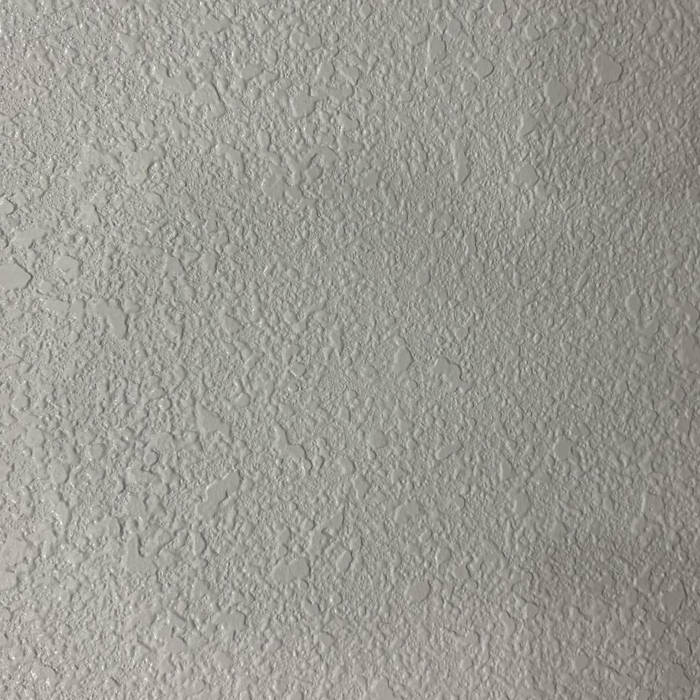
Textured walls are a great way to hide imperfections left over by drywall installation, but many homeowners feel like it’s an outdated look, despite there being so many types of drywall texture. And while the textured walls of today are a far cry from the popcorn ceilings and faux stucco of our grandmother’s homes, if you want a more modern look or you want to install wallpaper, it’s time to smooth out your walls.
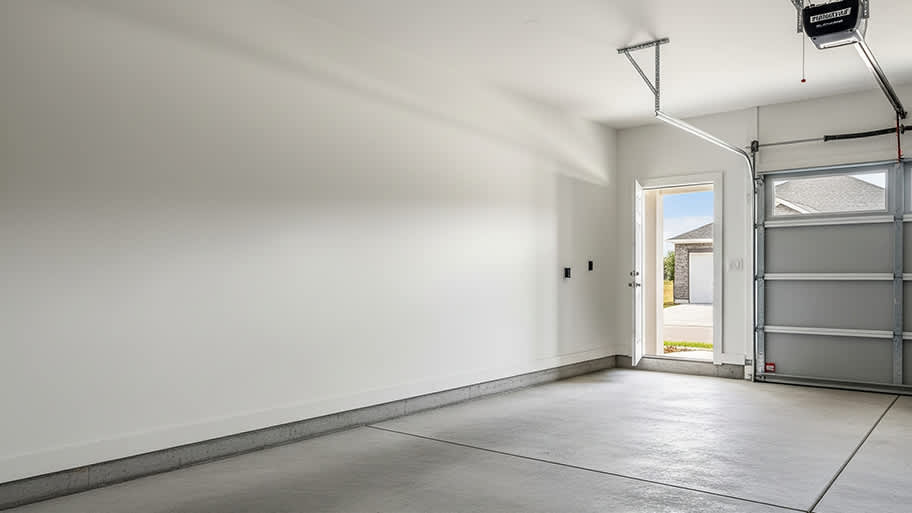
If you’re installing new drywall, you may need to skim coat the drywall first for a smooth finish and to allow the primer to adhere to the wall. It’s only necessary if there are imperfections in your drywall due to issues with the studs or improper drywall installation. If you’re refreshing existing walls, you may want to skim coat if there are imperfections across the wall. As an alternative, you can repair your drywall and sand it for a smooth finish before painting.

The Bedford, IN homeowners’ guide to drywall services

From average costs to expert advice, get all the answers you need to get your job done.