







HUNEKE ENGINEERING INC
Engineer - Structural
Serving Valmeyer, IL and surrounding areas
Approved
In business since 2005
Emergency services offered
Customers say: Super punctual
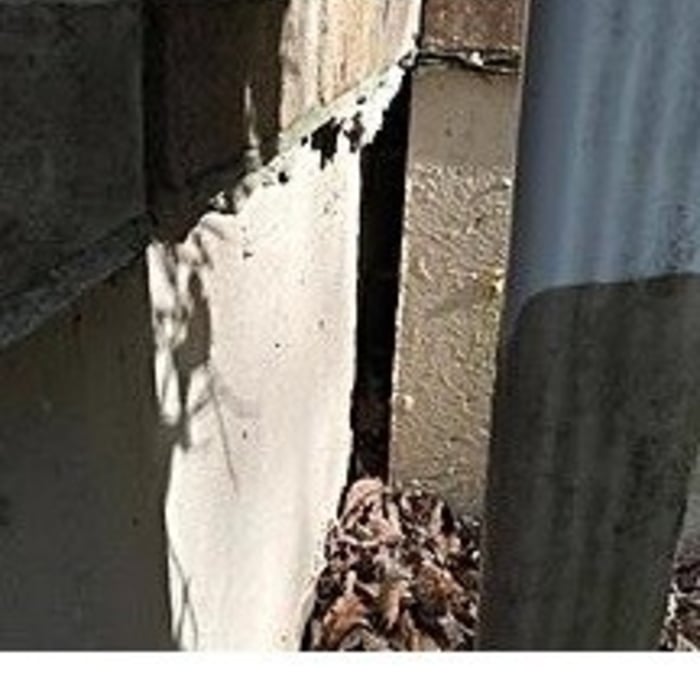
"I highly recommend Huneke Engineering. They are very honest and know what they are doing. They saved me a lot of money when a foundation company tried to bid me something that didn’t even need to be done. ALWAYS get a second opinion! I started noticing cracks around my windows in my living room. The windowsill was visibly not level and when I put a level on it, the bubble was very far to the left. I have a bowed foundation wall directly below my living room which has been stabilized by wall anchors before I moved into my house 9 years ago. Long story short. I needed to replace my foundation sill on the bowed wall. You can feel the sill from the outside and it’s hanging off the wall, so all the floor joists were not sitting at the same level. The first structural engineer that I hired before Huneke didn’t even notice this. The company that installed the wall anchors said that my right side of my house was sinking and they gave me a bid for $7,000 to install 5 foundation piers. I asked them if we should use a laser level to be sure and the guy said he used one on the outside of the house. I was with the guy most of the time and was only away from him for a few minutes. There is no way he used a laser level. You are supposed to use the laser level on the inside of the house anyways in the basement for a better measurement. They also said they felt a slope walking into the master bedroom. Liars! I called around trying to find a structural engineer who would be willing to use a laser level in my basement to confirm if the right side of my house is sinking or not and most of the companies I called said they did not do laser levels. The engineers at Huneke Engineering said they could use a laser level so I hired them. They used the laser level in my basement and showed me that the right side of the house is NOT sinking. It’s in code. They noticed my floor joists were uneven. Some of them only measured 3/4 of an inch between the foundation wall and the floor joist, when they should all be at an inch in a half. They also pointed out that my original sill was hanging off the foundation wall on the outside. You can’t see it because of the siding, but you can feel it and see it with a camera. They recommended I jack up my house and place a new pressure treated 2x4 on top of the foundation wall as the sill replacement. They said it was ok to leave the old one on there. They took plenty of time to explain everything to me as I had a lot of questions, so I really appreciated that. I first got a bid from a company to replace the sill but they wanted to charge me $4,000 and I couldn’t afford it at that time. They did use a laser level in my basement and said the right side of my house is NOT sinking. That is two separate companies who confirmed the right side of my house is NOT sinking, so ALWAYS get a second opinion! I installed the new foundation sill with my brother-in-law and his cousin. It required 3 bottle jacks but we got it done and all of the floor joists sit at the same level. The window in the living room is a little more level. It's not perfect, but it's more level than before. Thanks, Huneke Engineering, for your recommendation to replace the foundation sill and for your honesty!"



+6
Response rate100%
Recommended by91%of homeowners